
South Africa Corten Steel Fire Pits and Privacy Screens: Lodge and Hospitality Procurement Guide

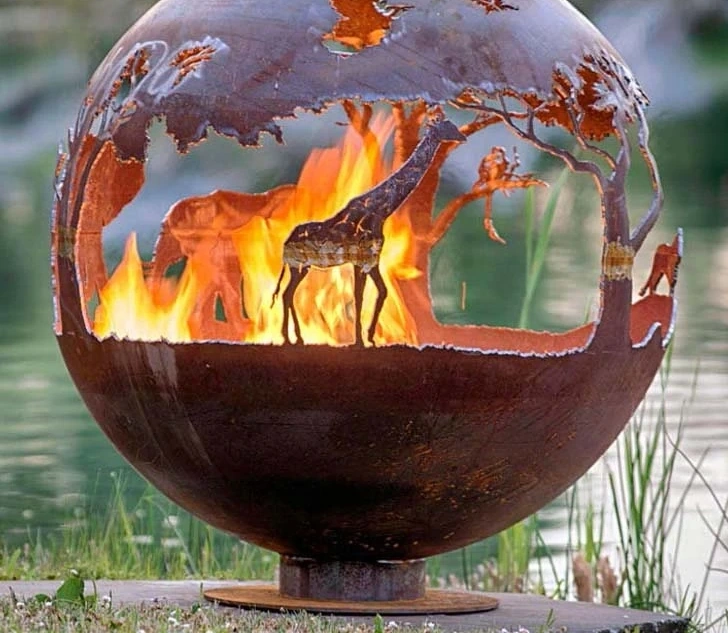
South Africa lodges, wine estates, boutique hotels, safari camps, and outdoor restaurants use fire as part of the guest experience. A corten steel fire pit with matching privacy screens can define an outdoor dining terrace, protect guests from wind, and give the project a material language that fits stone, timber, thatch, and dry planting. For procurement teams in Cape Town, Johannesburg, Durban, Stellenbosch, Kruger-region lodges, and Western Cape resorts, the important question is not only how the fire feature looks. It is how the steel thickness, burner system, drainage, public safety, and logistics are specified before the order leaves the factory.
CortenFactory manufactures fire bowls, fire tables, privacy screens, planters, edging, and custom hospitality metalwork. Start with our corten fire pit, privacy screen, and custom fabrication references when building a South Africa project package.
Why corten steel suits South African hospitality projects
Weathering steel has the right visual weight for lodges and landscape-led hotels. It feels permanent without needing a painted coating that chips around heat or guest contact. The rust-brown surface works with local stone, gravel, aloes, grasses, timber decks, and dark sky lighting. When specified correctly, a corten fire bowl also tolerates high heat cycles better than thin decorative mild steel. The privacy screen can match the fire pit and hide service areas, windbreaks, pool plant rooms, or back-of-house circulation.
Climate and site conditions to state in the RFQ
- Cape coastal air can carry chlorides; fixings and drainage should be upgraded near the sea.
- Highveld projects have sun, storms, and large temperature swings; thermal movement and stormwater paths matter.
- Bushveld lodges need fire safety clearances, ember control, and non-combustible bases.
- Irrigated hospitality gardens can keep steel bases wet every night, so panels and bowls need raised details.
- Wind can affect burner performance and guest comfort, especially on exposed decks or vineyard terraces.
Fire pit technical parameters
| Feature | Typical B2B specification | Comment |
|---|---|---|
| Bowl thickness | 3.0-6.0 mm for decorative bowls; 6.0-10.0 mm for heavy hospitality use | Thicker bowls resist distortion and feel more permanent. |
| Diameter | 800-1500 mm common; larger by project design | Check guest circulation and heat clearance. |
| Base ring or pedestal | Welded corten base with drain holes | Must keep bowl stable and allow water to escape. |
| Fuel option | Wood, bioethanol, LPG, natural gas, or decorative gas burner | Local installer must verify gas rules and connections. |
| Drainage | Central drain, weep holes, or removable ash tray | Standing water shortens service life and stains paving. |
| Screen thickness | 2.0-3.0 mm decorative; 4.0-6.0 mm wind or public impact zones | Frame design controls stiffness. |
| Finish | Raw, pre-weathered, or sealed by project request | Sealers near heat must be checked carefully. |
Corten vs stainless vs painted steel for fire features
| Material | Strengths | Weak points | Best application |
|---|---|---|---|
| Corten steel | Natural lodge aesthetic, good heat tolerance, hides scratches | Needs drainage and runoff control | Fire bowls, wind screens, rustic hospitality features |
| Stainless steel | High corrosion resistance, clean look | Higher cost, visible heat discoloration, glare | Burner trays, fixings, coastal internal parts |
| Painted mild steel | Low initial cost | Paint fails around heat and chips in public areas | Temporary or low-budget features |
| Concrete fire table | Thermal mass and stable base | Heavy, cracks if poorly made, less flexible for export | Fixed terraces with local casting |
Fire safety and local compliance
Fire features are not decorative planters. The project team must check local fire rules, insurance requirements, LPG storage rules, public assembly conditions, and emergency access. For gas fire pits, use a qualified local gas professional to confirm burner rating, ventilation, shut-off valves, hose routing, and certification. For wood-burning bowls, set them on non-combustible surfaces, keep clearances from thatch, timber decks, umbrellas, dry planting, and guest circulation routes, and provide a maintenance plan for ash removal.
CortenFactory can fabricate the bowl, screen, and steel enclosure, but the final fuel system should be reviewed by the local installer because gas standards, cylinder storage, and lodge operating procedures vary. Procurement documents should separate the steel package from the site fuel connection responsibilities.
Privacy screens and wind control for terraces
South Africa hospitality terraces often need wind control without blocking views. Laser cut corten privacy screens work well when the open area, panel height, and orientation are tuned to the site. A dense pattern may create privacy but also increase wind load. A very open pattern may look attractive but give little shelter. For wine estates and coastal restaurants, test prevailing wind direction before finalizing the screen layout. For safari lodges, screens can protect fire features while preserving outward views to the landscape.
Cost and logistics planning
| Item | Cost driver | Buying recommendation |
|---|---|---|
| Fire bowl | Diameter, thickness, welding, burner cut-outs | Order samples or one prototype for luxury roll-outs. |
| Gas burner tray | Stainless components, controls, certification needs | Coordinate with local gas installer before fabrication. |
| Privacy screen | Pattern density, frame, post size, base plates | Engineer exposed decks and coastal wind loads. |
| Pre-weathering | Time, handling, yard area | Useful where opening-day appearance matters. |
| Export packing | Crate size, nesting, edge protection | Confirm container space for bowls and tall screens. |
Procurement checklist for South Africa buyers
- State whether the fire pit is wood, LPG, natural gas, or decorative only.
- Provide terrace drawings with clearances, wind direction, paving type, and nearby combustible materials.
- Confirm if bowls need lifting lugs, drain plugs, ash trays, or removable burner trays.
- Ask for steel grade, thickness, weld finishing, trial assembly photos, and packing dimensions.
- Specify matching patina targets for fire bowls, screens, planters, and edging.
- Plan spare parts: touch-up plates, replacement burner trays, screens, bolts, and caps for multi-lodge orders.
Installation and maintenance details
Place fire bowls on stable non-combustible bases with enough space for guests and staff to move safely. Keep the base above areas that collect stormwater. For timber decks, use an engineered heat shield and confirm load capacity. For stone paving, protect the area during early patina formation and use dark aggregate or drip breaks around the base. Screens should be anchored to engineered bases, not simply set into loose gravel.
Maintenance is simple when the design allows access. Remove ash, check drains, inspect gas components through the local installer, clean loose oxide with a soft brush, and keep irrigation spray away from screen bases. Do not apply ordinary decorative paint to hot fire bowls; it will fail quickly and make future cleaning harder.
Applications by region
Cape Town and Western Cape wine estates often need wind-resistant screens and a refined patina near stone paving. Johannesburg rooftop venues need weight checks, gas coordination, and safe guest circulation. Durban coastal projects need higher attention to humidity and stainless hardware. Kruger and bushveld lodges need ember control, non-combustible clearances, and night-time guest safety.
For complete outdoor metal packages, combine fire pits with large corten planters, corten landscape edging, and custom privacy screens so the project has one finish standard and one shipment plan.
Common buyer questions
Can corten fire pits be used on timber decks?
Only with an engineered base, heat shield, load check, and local fire approval. Many hospitality projects choose stone or concrete pads below the bowl for safety.
Is wood or gas better for lodges?
Wood gives atmosphere and local character, but it needs ash handling and ember control. Gas is cleaner for staff operations, but it requires certified local installation and safe cylinder or line management.
Will the bowl stain the paving?
Early corten runoff can stain pale paving. Use a dark base, gravel band, drip detail, or pre-weathering, and keep stormwater from flowing across light stone.
Can screens and fire pits be shipped together?
Yes. It is often cheaper and safer to plan nested packing for bowls and crated flat panels together. Provide the site sequence so crates can be numbered for installation.
Final buying advice
For South Africa hospitality projects, send terrace drawings, fuel choice, desired bowl size, screen layout, and local exposure conditions through the CortenFactory contact page. A clear RFQ lets the factory recommend thickness, drainage, burner cut-outs, screen frames, pre-weathering, and packing before production.
Cape Town project note
Cape Town buyers should define the guest safety perimeter, wind exposure, and maintenance routine before approving the final fire pit diameter. The most attractive bowl can become difficult to operate if staff cannot remove ash, reach valves, or protect nearby paving during wet weather.
Stellenbosch project note
Stellenbosch buyers should define the guest safety perimeter, wind exposure, and maintenance routine before approving the final fire pit diameter. The most attractive bowl can become difficult to operate if staff cannot remove ash, reach valves, or protect nearby paving during wet weather.
Johannesburg project note
Johannesburg buyers should define the guest safety perimeter, wind exposure, and maintenance routine before approving the final fire pit diameter. The most attractive bowl can become difficult to operate if staff cannot remove ash, reach valves, or protect nearby paving during wet weather.
Durban project note
Durban buyers should define the guest safety perimeter, wind exposure, and maintenance routine before approving the final fire pit diameter. The most attractive bowl can become difficult to operate if staff cannot remove ash, reach valves, or protect nearby paving during wet weather.
Kruger-region lodges project note
Kruger-region lodges buyers should define the guest safety perimeter, wind exposure, and maintenance routine before approving the final fire pit diameter. The most attractive bowl can become difficult to operate if staff cannot remove ash, reach valves, or protect nearby paving during wet weather.
Authoritative references for South Africa projects
South Africa buyers should separate steel fabrication from local fuel and safety approval. Material and fabrication quality can be documented by the supplier, but gas installation should be checked by qualified local parties and applicable South African requirements. The South African Bureau of Standards is the starting point for national standards information, while LPG project teams often consult industry bodies such as the Liquefied Petroleum Gas Association of South Africa. Imported components and regulated products may also involve guidance from the National Regulator for Compulsory Specifications.
Choosing wood, gas, or hybrid fire features
A wood-burning corten bowl gives the strongest lodge atmosphere. Guests hear the fire, smell the wood, and gather naturally around it. The trade-off is ash handling, ember control, local fire restrictions, and staff time. A gas fire table gives repeatable operation for restaurants and rooftop bars, but it depends on correct burner sizing, ventilation, shut-off access, and gas storage. Some properties use wood bowls in open lodge bomas and gas features in tighter terrace areas where smoke would disturb diners.
The RFQ should not simply say fire pit. It should state the fuel, guest capacity, operating hours, wind exposure, and whether the feature is decorative or a primary heat source. That information changes bowl depth, burner tray design, air intake, drain layout, and the type of local installer required after delivery.
Heat distortion and steel thickness
Thin steel bowls can warp when staff build large fires repeatedly. For hospitality use, a heavier bowl is normally better even if the first cost is higher. Plate thickness, bowl geometry, weld layout, and cooling cycles all affect distortion. A shallow wide bowl may show heat marks differently than a deeper vessel. If the lodge wants a very crisp rim line, use thicker material, internal stiffening, or a replaceable inner tray.
Wind, smoke, and guest comfort
Wind is often the reason a beautiful fire area fails in operation. On a coastal deck, smoke can blow across dining tables. In vineyard terraces, afternoon wind may make flames unstable. In safari camps, screens can protect the fire without cutting off the view. The screen pattern should be selected for air control as well as privacy. A solid wall may cause turbulence, while a perforated corten screen can slow the wind and still let staff see the terrace.
Bushfire and dry-season risk management
Many lodge sites sit near dry grass, thatch, timber, or canvas. Fire pits should be located on non-combustible pads with a clear zone around the flame. Staff need a closing routine: extinguish the fire, remove loose embers when safe, check wind changes, and cover or isolate the bowl if required. If local restrictions ban open fires during certain periods, the property may need a gas alternative or a decorative unlit feature during those weeks.
Designing screens for privacy without blocking the landscape
Safari and wine estate guests usually want shelter, not a blank wall. Use screen height and pattern density carefully. A 1200 mm high screen may protect seated guests while keeping the horizon open. Taller panels can be placed only where service yards, neighboring rooms, or wind corridors need screening. Laser cut motifs should be strong enough for cleaning staff and public contact; very fine branches or animal silhouettes can bend if they are cut too thin.
Drainage and corrosion control
A corten fire bowl left full of rainwater and ash becomes a chemical bath. Provide drain holes, a raised base, and an ash tray if the design allows. On coastal projects, use stainless burner parts and hardware where replacement would be difficult. Keep irrigation away from screen bases. If the bowl sits on pale stone, specify a dark plinth or gravel band because rainwater from a new corten surface can stain during the first season.
Export packing and site access
Large bowls do not pack like flat panels. The factory can nest smaller bowls, but heavy hospitality bowls may need individual cradles. Screens should be packed flat with corner protection and numbered posts. South Africa project sites may involve long road transport after the port, so crate strength and moisture protection matter. Ask for photos before shipment showing how the bowl is supported and how the screen faces are separated.
Operating and maintenance plan
Hotels should write a simple operating plan before the first guest uses the fire feature. It should name who lights the fire, who checks clearances, who removes ash, how gas valves are accessed, where spare parts are stored, and how the corten surface is cleaned. For wood fires, avoid leaving wet ash in the bowl overnight after rain. For gas systems, schedule inspections with the local certified installer and record any changes to hoses, burners, or valves.
Tender wording buyers can copy
Specify corten steel fire pits and privacy screens with plate thickness, diameter, fuel type, drainage method, edge finish, base detail, screen open area, post design, pre-weathering requirement, and export packing. Require production photographs, material certificates, trial assembly where relevant, and crate drawings. State clearly that local contractors are responsible for gas certification, foundations, anchors, fire clearances, and final operating approval. This wording helps keep the factory scope precise and protects the owner during handover.
Detailed project scenarios and specification decisions
Cape Town wine estate
In a Cape Town wine estate package, the first decision is whether the corten element is mainly visual, structural, or operational. A visual screen can often be built from lighter plate with a concealed frame, while an operational windbreak, facade veil, or fire-zone barrier needs engineering input, stronger anchors, and a clearer maintenance plan. The buyer should record the expected visitor distance, cleaning access, drainage path, and replacement method before the drawing is approved. This prevents a common problem: the installed steel looks correct on day one but is difficult for the property team to clean, inspect, or repair after the first season.
For Cape Town wine estate, mock-up review should happen under real outdoor light. Weathering steel can look orange during early patina growth, then shift toward dark brown as rain, drying, dust, and handling marks settle. Decision makers should not approve color from a small indoor coupon alone. A better review includes one full-size corner, one fixing detail, one drainage edge, and one area where the material meets paving or planting. If the project includes repeated modules, the sample should show the exact laser pattern or fold depth because stiffness and shadow lines are affected by those details.
Johannesburg rooftop restaurant
In a Johannesburg rooftop restaurant package, the first decision is whether the corten element is mainly visual, structural, or operational. A visual screen can often be built from lighter plate with a concealed frame, while an operational windbreak, facade veil, or fire-zone barrier needs engineering input, stronger anchors, and a clearer maintenance plan. The buyer should record the expected visitor distance, cleaning access, drainage path, and replacement method before the drawing is approved. This prevents a common problem: the installed steel looks correct on day one but is difficult for the property team to clean, inspect, or repair after the first season.
For Johannesburg rooftop restaurant, mock-up review should happen under real outdoor light. Weathering steel can look orange during early patina growth, then shift toward dark brown as rain, drying, dust, and handling marks settle. Decision makers should not approve color from a small indoor coupon alone. A better review includes one full-size corner, one fixing detail, one drainage edge, and one area where the material meets paving or planting. If the project includes repeated modules, the sample should show the exact laser pattern or fold depth because stiffness and shadow lines are affected by those details.
Kruger safari lodge
In a Kruger safari lodge package, the first decision is whether the corten element is mainly visual, structural, or operational. A visual screen can often be built from lighter plate with a concealed frame, while an operational windbreak, facade veil, or fire-zone barrier needs engineering input, stronger anchors, and a clearer maintenance plan. The buyer should record the expected visitor distance, cleaning access, drainage path, and replacement method before the drawing is approved. This prevents a common problem: the installed steel looks correct on day one but is difficult for the property team to clean, inspect, or repair after the first season.
For Kruger safari lodge, mock-up review should happen under real outdoor light. Weathering steel can look orange during early patina growth, then shift toward dark brown as rain, drying, dust, and handling marks settle. Decision makers should not approve color from a small indoor coupon alone. A better review includes one full-size corner, one fixing detail, one drainage edge, and one area where the material meets paving or planting. If the project includes repeated modules, the sample should show the exact laser pattern or fold depth because stiffness and shadow lines are affected by those details.
Factory QA hold points for B2B orders
For multi-site or hospitality orders, the factory and buyer should agree on hold points. The first hold point is drawing approval: no steel should be cut until module numbers, bend directions, hole positions, and visible faces are signed off. The second is first-article production: one panel, bowl, or edge segment is fabricated and photographed before the full batch starts. The third is trial packing: crates are checked for rubbing risk, moisture traps, lifting points, and site sequence. The final hold point is pre-shipment review, including photos of labels, spare parts, hardware bags, and crate marks.
Quality inspection should include plate thickness checks, deburred edges, weld appearance, drain hole placement, flatness or agreed tolerance, and a count of every accessory. For laser cut panels, inspect small bridges and internal corners for heat distortion. For folded panels, check return depth and diagonal squareness. For bowls and sculptural elements, check stability on a flat surface and make sure water cannot sit in closed pockets. A simple written checklist saves many emails during site installation.
Risk register for owners and contractors
| Risk | Early warning sign | Prevention or response |
|---|---|---|
| Runoff staining | Orange marks on pale paving after rain | Use gravel strips, drip breaks, pre-weathering, and temporary protection. |
| Panel movement | Fixing slots tight or brackets bending | Allow thermal movement and break long runs into modules. |
| Uneven patina | Daily irrigation or trapped dust in one area | Adjust sprinklers, clean loose deposits, improve drainage. |
| Site damage | Scratches from forklifts or unpacking tools | Use numbered crates, padded handling points, and repair instructions. |
| Late code questions | Inspector asks for anchor or fire data after delivery | Define local engineering scope before fabrication starts. |
What procurement teams should compare in quotations
A low quotation can hide missing scope. Compare whether each supplier includes material certificates, shop drawings, sample approval, edge finishing, pre-weathering, hardware, spare panels, packing, and export documents. Also compare whether the price is based on actual drawing quantities or rough square meters. Dense laser patterns, thick folded returns, curved sections, heavy bases, and special crates can change cost more than the headline material price. Buyers should ask suppliers to list exclusions in writing, especially anchors, local engineering, gas parts, foundations, sealants, and site installation.
Lead time should be reviewed in steps: engineering questions, drawing approval, raw material purchase, cutting, bending, welding, surface preparation, pre-weathering if required, packing, ocean freight, customs, and final inland transport. A project with a firm opening date should not wait until all paving is complete before ordering metalwork. The right time to start is when dimensions, exposure, and fixing principles are stable enough for shop drawings, even if minor site dimensions are still being checked.
Recommended drawing package
- Overall plan showing every corten element, finished levels, drainage falls, and adjacent materials.
- Elevations with module numbers, pattern direction, visible face, and joint lines.
- Sections through bases, brackets, cavities, drip edges, and paving interfaces.
- Hardware schedule naming screw grade, washer type, anchor size, and isolation material.
- Finish note defining raw, pre-weathered, sealed, or project-specific patina target.
- Packing and delivery note showing crate sequence, site access limits, and unloading method.
Service life thinking
Weathering steel is chosen because it ages honestly, not because it stops reacting with the environment. A durable installation keeps the steel wet for short periods and dry for longer periods. It avoids buried edges, wet mulch contact, chemical cleaners, blocked drains, and incompatible metals. When the project team thinks in service-life terms, details become obvious: raise the plate, slope the cap, ventilate the cavity, isolate the fixing, protect the paving, and give the maintenance team access. Those decisions cost little at drawing stage and become expensive after handover.
For South Africa hospitality fire pit and privacy screen work, the strongest buying approach is to treat the corten package as an engineered architectural product rather than a decorative commodity. Ask specific questions, approve samples, and insist on clear drawings. The result is a project that looks intentional, weathers in a controlled way, and gives the owner fewer maintenance surprises.
Need a factory quote for South Africa Corten Steel Fire Pits and Privacy Screens: Lodge and Hospitality Procurement Guide?
Send your drawings, size list, quantity and destination country. Corten Factory can support custom weathering steel fabrication, export packing and project quotation.