
Corten Landscape Edging and Fire Pits in the USA and Canada: Buyer Notes for Public and Commercial Sites

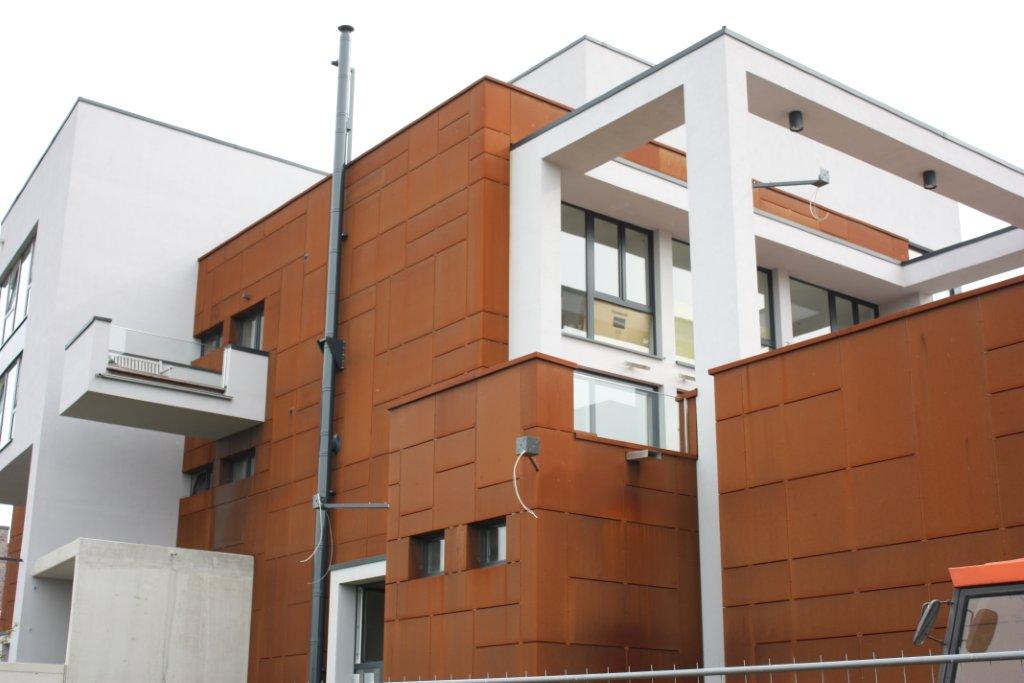
United States and Canada projects use corten landscape edging and fire pits for a practical reason: weathering steel gives a warm, durable edge without the paint maintenance cycle that often slows landscape and architectural work. This guide is written for landscape contractors, hospitality purchasing teams, municipal parks departments and design-build firms. It focuses on specification choices, climate risks, fabrication details, installation planning, and purchasing checks that matter before a purchase order is issued.
Corten steel is not a magic rust coating. It is a low-alloy weathering steel that forms a dense oxide layer when it has alternating wet and dry cycles. If the detail traps water, keeps soil against unprotected steel, or allows rust runoff to stain pale stone, the result can disappoint the client. If the detail is right, the same material can serve for planters, edging, screens, fire pits, facade panels, water features and sculpture with a stable patina that fits civic, hospitality and residential work.
Why United States and Canada Buyers Specify Corten Landscape Edging And Fire Pits
For commercial work in United States and Canada, the strongest argument is not appearance alone. Weathering steel gives buyers a repeatable metal package that can be cut, folded, welded and packed in modular form. That helps when projects need matching planters, edging, screens and panels across several zones. Procurement teams can order a family of parts rather than asking separate trades to improvise details on site.
- Stable earthy color that suits stone, concrete, hardwood, gravel and drought-tolerant planting.
- No routine paint cycle on correctly detailed exterior elements.
- Good stiffness for long planter runs and tall privacy screens when returns, ribs or frames are designed in.
- Factory fabrication allows drainage holes, lifting points, anchor slots, irrigation penetrations and custom logos before shipping.
- Flat-pack or nested shipping can reduce freight volume for large B2B orders.
Designers should still define the service condition. A planter used in a dry inland courtyard is not the same as a planter beside a chlorinated pool or a coastal boardwalk. The purchase brief should state exposure, drainage method, soil depth, expected public contact, finish stage at delivery, and whether staining of nearby surfaces is acceptable during early weathering.
Local Climate and Approval Issues in United States and Canada
The main local factors are freeze-thaw cycles, snow-melt salts, arid western sites, humid coastal air and wildfire restrictions that differ by state or province. These conditions affect steel thickness, base detailing, drainage, packaging and the written maintenance handover. A project in a windy coastal district may need deeper anchoring and a runoff gap. A shaded tropical courtyard may need better airflow because the patina cannot mature if the surface stays damp every day. A fire pit in a public venue needs safe clearance, fuel guidance and a removable ash pan, not only a good-looking bowl.
For approvals, teams commonly reference ASTM A588 or A606 documentation, local fire code, ADA route clearances, CSA or IBC-related project requirements and municipal park standards. Cortenfactory can provide drawings, material grade notes, packing lists, and basic fabrication tolerances for submittals. Local engineers and certifiers still decide final compliance, especially where a steel item becomes a barrier, facade component, public art element or fire feature.
Material Grade, Thickness and Fabrication Choices
| Item | Common Thickness | Detail to Specify | Buyer Note |
|---|---|---|---|
| Planter box / raised bed | 1.5-3.0 mm for residential, 3.0-5.0 mm for public realm | Folded top lip, internal bracing, drainage holes, geotextile separation | Increase thickness for long unsupported walls or forklift handling. |
| Landscape edging | 1.6-3.0 mm | Spikes, overlap plates, radius options, safe top edge | Loose soil and mowing contact require stronger stake spacing. |
| Privacy screen | 2.0-5.0 mm panel, frame as required | Laser pattern ratio, wind load, post spacing, base plates | Dense cut patterns reduce stiffness; frames may be needed. |
| Facade panel | 2.0-4.0 mm cassette or plate | Ventilated cavity, drip edge, isolation from dissimilar metals | Runoff control is as important as panel grade. |
| Fire pit or bowl | 3.0-8.0 mm | Air holes, ash tray, heat shield, fuel type | Heat cycling changes color; allow for distortion control. |
Common weathering steel references include ASTM A588, ASTM A606 Type 4 and EN 10025-5 grades such as S355J2W, depending on supply region and product form. For B2B purchasing, ask the supplier which grade is used, whether a mill certificate can be supplied, and whether the factory will pre-weather, ship raw, or apply a temporary surface treatment for reduced early staining.
Design Details That Prevent Costly Site Problems
Drainage and soil contact
Planters and raised beds need free drainage. A typical commercial planter detail includes a raised base or feet, drain holes above low points, filter fabric, a drainage layer, and an internal root or waterproofing liner when the specification calls for it. Direct wet soil against thin weathering steel for long periods can shorten service life, so large permanent planters often use internal liners or sacrificial drainage zones.
Runoff and staining
Early rust wash is normal. Keep new corten away from white limestone, pale concrete, light porcelain paving and finished render unless the design includes drip trays, gravel margins, sacrificial strips or controlled drainage. The first months are the highest risk period. Many contractors pre-weather panels off site or rinse them in a controlled area before final installation.
Dissimilar metals
Use compatible fasteners and isolate stainless, galvanized steel and aluminium where galvanic action may occur. Nylon washers, EPDM gaskets and painted backing plates can reduce risk. On facade work, the support frame and screw specification should be reviewed by the facade consultant.
Public safety
Specify rounded or folded edges for public contact. Tall screens and sculpture need engineered bases. Fire features need clear fuel instructions and safe distances from planting, decking, shade structures and pedestrian routes.
Cost and Procurement Planning for United States and Canada
| Cost Driver | Low-Risk Choice | Higher-Cost Choice | When to Upgrade |
|---|---|---|---|
| Steel thickness | Standard 2-3 mm plate | 5-8 mm plate with ribs | Public realm, long spans, heavy handling, fire pits. |
| Shape | Rectangular modular units | Curved, tapered or sculptural forms | Brand landscapes, hotel entries, civic art. |
| Finish | Raw mill finish for natural weathering | Pre-weathered and sealed where suitable | Tight opening dates or sensitive paving. |
| Packing | Nested or flat-pack | Fully welded large modules | When site labor is limited or tolerances are strict. |
| Accessories | Drain holes and basic fixings | Irrigation sleeves, leveling feet, LED channels, liners | Complex roof gardens, malls and hotels. |
For international orders into United States and Canada, buyers should confirm Incoterms, HS codes, packing dimensions, unloading method and whether the site can accept long crates. A 6 m edging bundle may be cheap to fabricate but expensive to move through a city basement. Modular lengths often reduce damage risk and make installation faster.
Installation Checklist for Contractors
- Confirm final shop drawings before fabrication: size, hole pattern, radius, weld location, visible side and finish stage.
- Store panels dry with spacers. Do not leave wet plastic film on corten surfaces.
- Test one unit in the intended location when paving is pale or drainage is uncertain.
- Use gravel or metal drip zones below early-weathering edges.
- Keep cement slurry, acid cleaners and fertiliser spills off the steel.
- Record fastener type and isolation washers in the handover documents.
- For planters, install drainage media before soil and avoid blocking outlets with geotextile.
- For screens, verify plumb posts and wind bracing before hanging panels.
A factory-made system saves time only when the site team receives clear labels and a sequence. Ask for part numbers on crates and drawings. For repeat roll-outs, keep the same module code across all locations so replacement parts remain simple to order.
Product Applications in United States and Canada Projects
United States and Canada buyers use weathering steel in several project types. In residential estates, raised beds and edging give the planting contractor a durable border that survives irrigation and mower contact. In hotels, planter walls can divide dining terraces without looking like temporary barriers. In civic streetscapes, corten tree surrounds and barrier planters help guide movement while matching modern paving palettes. On architectural projects, facade panels and screens give shade, privacy and a natural patina that changes slightly with time.
For a coordinated package, buyers can combine corten steel planters corten steel raised garden beds corten steel landscape edging corten steel fire pits corten steel screens. This avoids mismatched finishes and helps the purchasing team manage one supplier, one drawing set and one packing standard.
Common Buyer Questions
Will corten steel stain paving?
Yes, early runoff can stain adjacent surfaces. Detail a gravel margin, drip channel or temporary weathering area. Avoid placing raw corten directly above pale porous stone unless staining has been accepted by the client.
Is corten suitable for coastal projects?
It can be used, but salt exposure slows or disrupts stable patina formation. Increase drainage, avoid water traps, consider greater thickness, and review whether stainless steel or coated steel is better for severe marine spray zones.
Can planters be supplied with liners?
Yes. Liners, geotextile, drainage boards and internal coatings can be specified. The right choice depends on soil depth, irrigation, expected service life and whether edible planting is planned.
How long does the color take to settle?
Most projects see strong color change in weeks, with a more settled surface over several months. Weather, shade, cleaning and handling all affect the timeline.
What information should be sent for a quotation?
Send drawings or dimensions, quantity, steel thickness, finish expectation, exposure condition, destination port or address, required certificates, packing limits and project schedule.
Procurement Recommendation
For United States and Canada, specify corten landscape edging and fire pits with exact dimensions, thickness, drainage, edge treatment, anchoring and finish stage rather than only asking for a visual match. The lowest unit price can become expensive if the steel is too thin, crates are too large for the site, or runoff details are missing. A clear specification lets the factory quote accurately and lets the contractor install with fewer changes.
Useful outside references for project teams include ASTM weathering steel specification background World Steel Association steel sustainability data SteelConstruction.info weathering steel design notes. For product pricing, custom drawings and factory lead time, contact Cortenfactory with the project location, quantity schedule and intended exposure.
Specification Notes for Purchase Orders
A good purchase order for United States and Canada should not rely on a mood board. It should name the product type, plate grade, thickness, visible finish, weld standard, dimensional tolerance, packing method and inspection point. If the item is a planter, include soil depth, drainage outlet size, lifting method and whether the base is open or closed. If the item is a screen, include post size, base plate, pattern file, open-area percentage and wind design assumptions. If the item is a facade panel, include subframe responsibility, cavity depth, drip edge and fastener visibility.
Samples are useful, but samples are not a promise that every panel will look identical. Weathering steel is selected because it changes. The acceptable range of color should be agreed before production, especially for luxury hotels, museums, apartment lobbies and branded retail landscapes. Buyers who need a fixed brown color may be better served by powder coating, although that choice changes maintenance and repair planning.
Quality control should cover material certificates, weld appearance, sharp-edge removal, hole position, trial assembly for modular parts, crate labeling and photo records before shipment. For large orders, ask the factory to send photos of the first finished unit before mass production continues. This small step prevents repeated errors across hundreds of meters of edging or dozens of planters.
Maintenance is simple but should still be written down. Do not use acid cleaners on adjacent paving without protecting the steel. Remove leaves and wet mulch that stay against vertical faces. Keep drainage holes open. For fire pits, remove ash and standing water after use. For water features, monitor water chemistry and isolate chlorinated water from structural steel unless the design has been reviewed for that exposure.
Specification Notes for Purchase Orders
A good purchase order for United States and Canada should not rely on a mood board. It should name the product type, plate grade, thickness, visible finish, weld standard, dimensional tolerance, packing method and inspection point. If the item is a planter, include soil depth, drainage outlet size, lifting method and whether the base is open or closed. If the item is a screen, include post size, base plate, pattern file, open-area percentage and wind design assumptions. If the item is a facade panel, include subframe responsibility, cavity depth, drip edge and fastener visibility.
Samples are useful, but samples are not a promise that every panel will look identical. Weathering steel is selected because it changes. The acceptable range of color should be agreed before production, especially for luxury hotels, museums, apartment lobbies and branded retail landscapes. Buyers who need a fixed brown color may be better served by powder coating, although that choice changes maintenance and repair planning.
Quality control should cover material certificates, weld appearance, sharp-edge removal, hole position, trial assembly for modular parts, crate labeling and photo records before shipment. For large orders, ask the factory to send photos of the first finished unit before mass production continues. This small step prevents repeated errors across hundreds of meters of edging or dozens of planters.
Maintenance is simple but should still be written down. Do not use acid cleaners on adjacent paving without protecting the steel. Remove leaves and wet mulch that stay against vertical faces. Keep drainage holes open. For fire pits, remove ash and standing water after use. For water features, monitor water chemistry and isolate chlorinated water from structural steel unless the design has been reviewed for that exposure.
Specification Notes for Purchase Orders
A good purchase order for United States and Canada should not rely on a mood board. It should name the product type, plate grade, thickness, visible finish, weld standard, dimensional tolerance, packing method and inspection point. If the item is a planter, include soil depth, drainage outlet size, lifting method and whether the base is open or closed. If the item is a screen, include post size, base plate, pattern file, open-area percentage and wind design assumptions. If the item is a facade panel, include subframe responsibility, cavity depth, drip edge and fastener visibility.
Samples are useful, but samples are not a promise that every panel will look identical. Weathering steel is selected because it changes. The acceptable range of color should be agreed before production, especially for luxury hotels, museums, apartment lobbies and branded retail landscapes. Buyers who need a fixed brown color may be better served by powder coating, although that choice changes maintenance and repair planning.
Quality control should cover material certificates, weld appearance, sharp-edge removal, hole position, trial assembly for modular parts, crate labeling and photo records before shipment. For large orders, ask the factory to send photos of the first finished unit before mass production continues. This small step prevents repeated errors across hundreds of meters of edging or dozens of planters.
Maintenance is simple but should still be written down. Do not use acid cleaners on adjacent paving without protecting the steel. Remove leaves and wet mulch that stay against vertical faces. Keep drainage holes open. For fire pits, remove ash and standing water after use. For water features, monitor water chemistry and isolate chlorinated water from structural steel unless the design has been reviewed for that exposure.
Specification Notes for Purchase Orders
A good purchase order for United States and Canada should not rely on a mood board. It should name the product type, plate grade, thickness, visible finish, weld standard, dimensional tolerance, packing method and inspection point. If the item is a planter, include soil depth, drainage outlet size, lifting method and whether the base is open or closed. If the item is a screen, include post size, base plate, pattern file, open-area percentage and wind design assumptions. If the item is a facade panel, include subframe responsibility, cavity depth, drip edge and fastener visibility.
Samples are useful, but samples are not a promise that every panel will look identical. Weathering steel is selected because it changes. The acceptable range of color should be agreed before production, especially for luxury hotels, museums, apartment lobbies and branded retail landscapes. Buyers who need a fixed brown color may be better served by powder coating, although that choice changes maintenance and repair planning.
Quality control should cover material certificates, weld appearance, sharp-edge removal, hole position, trial assembly for modular parts, crate labeling and photo records before shipment. For large orders, ask the factory to send photos of the first finished unit before mass production continues. This small step prevents repeated errors across hundreds of meters of edging or dozens of planters.
Maintenance is simple but should still be written down. Do not use acid cleaners on adjacent paving without protecting the steel. Remove leaves and wet mulch that stay against vertical faces. Keep drainage holes open. For fire pits, remove ash and standing water after use. For water features, monitor water chemistry and isolate chlorinated water from structural steel unless the design has been reviewed for that exposure.
Specification Notes for Purchase Orders
A good purchase order for United States and Canada should not rely on a mood board. It should name the product type, plate grade, thickness, visible finish, weld standard, dimensional tolerance, packing method and inspection point. If the item is a planter, include soil depth, drainage outlet size, lifting method and whether the base is open or closed. If the item is a screen, include post size, base plate, pattern file, open-area percentage and wind design assumptions. If the item is a facade panel, include subframe responsibility, cavity depth, drip edge and fastener visibility.
Samples are useful, but samples are not a promise that every panel will look identical. Weathering steel is selected because it changes. The acceptable range of color should be agreed before production, especially for luxury hotels, museums, apartment lobbies and branded retail landscapes. Buyers who need a fixed brown color may be better served by powder coating, although that choice changes maintenance and repair planning.
Quality control should cover material certificates, weld appearance, sharp-edge removal, hole position, trial assembly for modular parts, crate labeling and photo records before shipment. For large orders, ask the factory to send photos of the first finished unit before mass production continues. This small step prevents repeated errors across hundreds of meters of edging or dozens of planters.
Maintenance is simple but should still be written down. Do not use acid cleaners on adjacent paving without protecting the steel. Remove leaves and wet mulch that stay against vertical faces. Keep drainage holes open. For fire pits, remove ash and standing water after use. For water features, monitor water chemistry and isolate chlorinated water from structural steel unless the design has been reviewed for that exposure.
Specification Notes for Purchase Orders
A good purchase order for United States and Canada should not rely on a mood board. It should name the product type, plate grade, thickness, visible finish, weld standard, dimensional tolerance, packing method and inspection point. If the item is a planter, include soil depth, drainage outlet size, lifting method and whether the base is open or closed. If the item is a screen, include post size, base plate, pattern file, open-area percentage and wind design assumptions. If the item is a facade panel, include subframe responsibility, cavity depth, drip edge and fastener visibility.
Samples are useful, but samples are not a promise that every panel will look identical. Weathering steel is selected because it changes. The acceptable range of color should be agreed before production, especially for luxury hotels, museums, apartment lobbies and branded retail landscapes. Buyers who need a fixed brown color may be better served by powder coating, although that choice changes maintenance and repair planning.
Quality control should cover material certificates, weld appearance, sharp-edge removal, hole position, trial assembly for modular parts, crate labeling and photo records before shipment. For large orders, ask the factory to send photos of the first finished unit before mass production continues. This small step prevents repeated errors across hundreds of meters of edging or dozens of planters.
Maintenance is simple but should still be written down. Do not use acid cleaners on adjacent paving without protecting the steel. Remove leaves and wet mulch that stay against vertical faces. Keep drainage holes open. For fire pits, remove ash and standing water after use. For water features, monitor water chemistry and isolate chlorinated water from structural steel unless the design has been reviewed for that exposure.
Specification Notes for Purchase Orders
A good purchase order for United States and Canada should not rely on a mood board. It should name the product type, plate grade, thickness, visible finish, weld standard, dimensional tolerance, packing method and inspection point. If the item is a planter, include soil depth, drainage outlet size, lifting method and whether the base is open or closed. If the item is a screen, include post size, base plate, pattern file, open-area percentage and wind design assumptions. If the item is a facade panel, include subframe responsibility, cavity depth, drip edge and fastener visibility.
Samples are useful, but samples are not a promise that every panel will look identical. Weathering steel is selected because it changes. The acceptable range of color should be agreed before production, especially for luxury hotels, museums, apartment lobbies and branded retail landscapes. Buyers who need a fixed brown color may be better served by powder coating, although that choice changes maintenance and repair planning.
Quality control should cover material certificates, weld appearance, sharp-edge removal, hole position, trial assembly for modular parts, crate labeling and photo records before shipment. For large orders, ask the factory to send photos of the first finished unit before mass production continues. This small step prevents repeated errors across hundreds of meters of edging or dozens of planters.
Maintenance is simple but should still be written down. Do not use acid cleaners on adjacent paving without protecting the steel. Remove leaves and wet mulch that stay against vertical faces. Keep drainage holes open. For fire pits, remove ash and standing water after use. For water features, monitor water chemistry and isolate chlorinated water from structural steel unless the design has been reviewed for that exposure.
Need a factory quote for Corten Landscape Edging and Fire Pits in the USA and Canada: Buyer Notes for Public and Commercial Sites?
Send your drawings, size list, quantity and destination country. Corten Factory can support custom weathering steel fabrication, export packing and project quotation.