
Corten Steel Planters and Raised Garden Beds for UK Urban Regeneration Projects

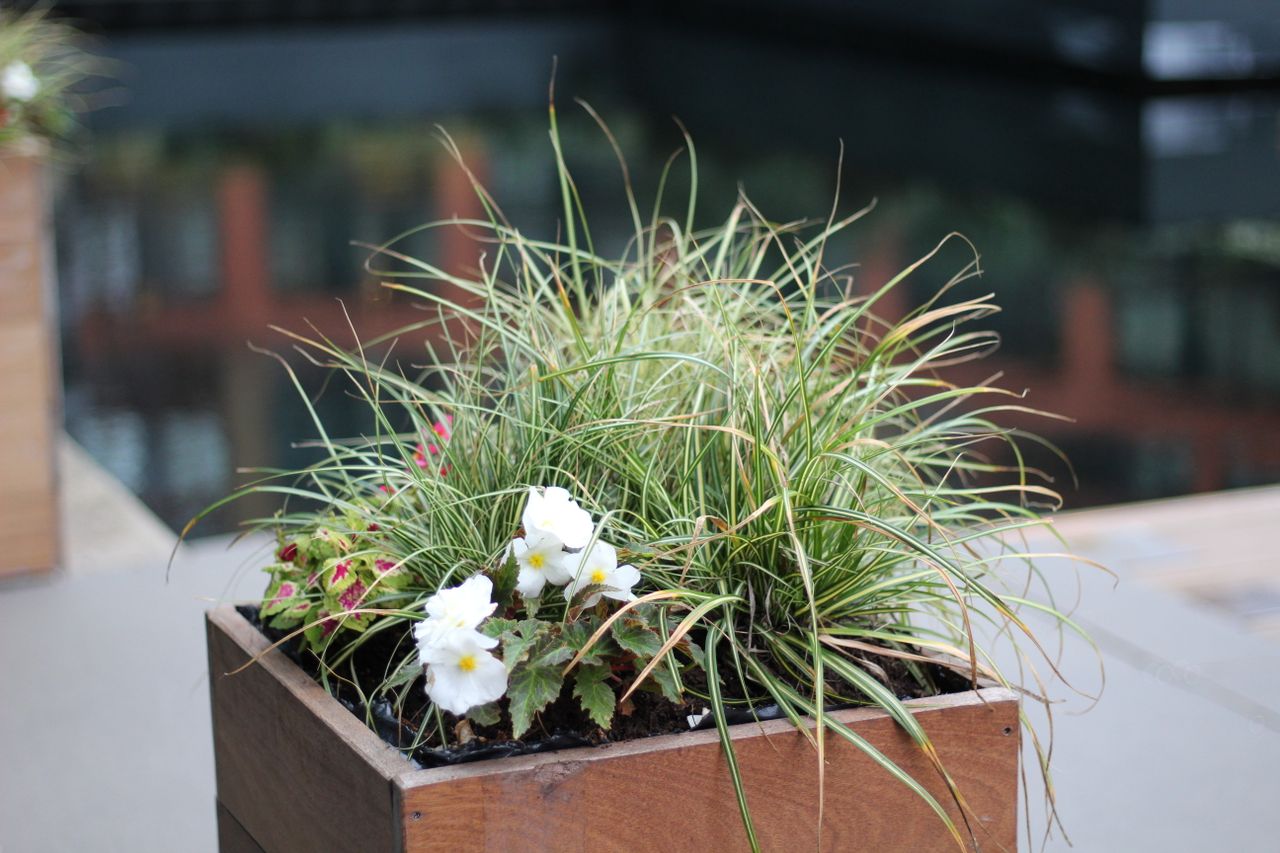
UK streetscape projects ask a lot from outdoor planters. A planter may have to divide a pedestrian zone in Manchester, hold small trees on a London roof terrace, protect a cycle lane in Bristol, and still look intentional after years of rain, road salt, and public use. Corten steel planters and raised garden beds suit this work when they are specified as engineered landscape elements, not as decorative boxes bought at the end of the project.
These notes are for landscape architects, architects, main contractors, public-realm consultants, and procurement managers sourcing weathering steel planters for the UK. It covers grades, wall thickness, drainage, tree loading, British weather, accessibility, cost drivers, packing, and buyer checks. It also explains where raised beds make sense in city-centre schemes, workplace courtyards, hospitality terraces, schools, hospitals, and meanwhile-use sites.
For overseas buyers, the practical question is not whether weathering steel looks attractive on a drawing. The question is whether the detail will drain, whether the first six months of oxide runoff have been planned, whether panels can be packed without abrasion, and whether the steel grade and thickness fit the site exposure. That is why the specification should be written around use, climate, installation sequence, and maintenance access rather than around appearance alone.
Why UK public realm teams specify Corten planters
Corten steel gives designers a warm rust-brown surface without applied paint. In the UK, that matters because many public spaces combine brick, stone, black steel, concrete, timber, and planting. Weathering steel sits between heritage and contemporary materials. It can soften a hard civic space without making the maintenance team repaint outdoor metal every few years.
- Durability for exposed streets, car parks, town centres, campus edges, and roof terraces.
- Good resistance to abrasion from normal public contact compared with coated thin-gauge planters.
- Bespoke sizes, radiused corners, tree planters, bench-planter combinations, and modular raised beds can be fabricated for a scheme.
- A visible patina that helps hide minor scratches and gives a consistent family of elements across phases.
- Flat-pack or welded construction options depending on site access, crane availability, and programme.
Weathering steel is not the answer for every UK location. It needs wet and dry cycles to form a stable patina. Constantly damp pockets, badly drained bases, permanent contact with wet soil at cut edges, and marine salt exposure close to the coast need extra design care. the purchasing team should treat the material as low-maintenance, not no-maintenance.
UK climate and location checks before ordering
The UK has mild temperatures, frequent rain, wind-driven moisture, freeze-thaw in some regions, and de-icing salts around highways and public steps. Coastal sites in Cornwall, Wales, Scotland, Northern Ireland, and eastern England may see chloride exposure. Urban sites may hold moisture in shaded canyons between buildings. These conditions affect planter wall thickness, base design, and the way rust runoff is collected.
| Project location | Design issue | Specification response |
|---|---|---|
| Central London roof terrace | Wind, weight limit, difficult lifting | Use modular planter sections, engineer the base, confirm saturated soil load, add adjustable feet and drainage mats. |
| Northern high street | Rain, freeze-thaw, service vehicle contact | Specify 3-5 mm wall thickness, reinforced corners, replaceable skids, and clear movement joints. |
| Coastal promenade | Chlorides and wind-driven rain | Increase thickness, avoid trapped water, consider stainless fixings and regular rinse-down zones. |
| School or hospital courtyard | User safety and cleaning | Use folded top returns, rounded external corners, hidden fixings, and stable bases. |
| Meanwhile-use urban plot | Budget and relocation | Use bolted modules that can be lifted by forklift and reassembled on the next site. |
For coastal or permanently wet UK sites, ask the factory to identify the weathering steel grade and whether a protective design detail is needed at soil-contact points. A useful background reference is the SteelConstruction.info guide to weathering steel, which explains exposure limits and detailing principles used in the UK steel sector.
Recommended technical parameters for UK planters and raised beds
Planter performance is driven by thickness, internal bracing, drainage, lifting method, soil depth, and edge treatment. A small herb trough does not need the same structure as a 2.4 m long tree planter in a city square. The table below gives starting points for specification. Final dimensions should be checked against soil load, transport limits, and project drawings.
| Item | Typical specification range | Buyer notes |
|---|---|---|
| Wall thickness | 2.0-3.0 mm for small planters; 3.0-5.0 mm for commercial modules; 5.0-8.0 mm for large tree planters | Thicker material reduces oil-canning and damage during transport. |
| Top edge | Folded return, welded rim, or reinforced flat bar | Avoid sharp exposed edges in public areas. |
| Base | Raised base, removable base, or open-bottom bed | Open-bottom beds suit soil contact; roof terraces need engineered bases and drainage layers. |
| Drainage holes | 8-20 mm holes or slot drains with geotextile separation | Confirm outlet direction before manufacturing. |
| Internal bracing | Angle ribs, cross ties, or hidden stiffeners | Needed for long faces and deep soil loads. |
| Finish | Natural weathering, pre-weathered option, or controlled patina start | Allow for colour change after delivery. |
| Fixings | Stainless steel, galvanized, or hidden welded brackets | Avoid galvanic issues and check replacement access. |
| Packing | Film, foam, timber crate, pallet feet, corner guards | Prevent rubbing marks during sea freight and final-mile delivery. |
For grade discussion, procurement teams can compare the design intent with Corten steel grades explained for outdoor projects. The grade name alone is not enough. Ask for mill certificate availability, chemical composition, plate thickness tolerance, and whether the factory is fabricating from coil, sheet, or plate.
Material comparison for UK procurement teams
Many UK buyers compare Corten with powder-coated mild steel, galvanized steel, aluminium, GRP, concrete, and timber. The best choice depends on impact risk, appearance, project life, installation weight, and repair method.
| Material | Strengths | Limits in UK outdoor use | Typical fit |
|---|---|---|---|
| Corten/weathering steel | Strong, natural patina, good for bespoke fabrication | Needs runoff design and wet-dry exposure | Public realm planters, raised beds, tree containers, edging families. |
| Powder-coated mild steel | Wide colour choice and clean early appearance | Coating chips can expose rust; repaint cycles may be needed | Retail terraces and branded spaces. |
| Galvanized steel | Good corrosion protection and cost control | Industrial look; coating may not suit heritage settings | Back-of-house planters, utility zones. |
| Aluminium | Lightweight and easy to handle | Lower dent resistance; needs coating for colour | Roof terraces with tight weight limits. |
| Concrete | High mass and security | Heavy lifting, cracking risk, harder to relocate | Traffic separation and anti-ram layouts. |
| Timber | Warm texture and local feel | Decay risk, movement, fire treatment, replacement cycles | Temporary gardens and soft landscape settings. |
If a project already includes corten edging, screens, or signage, keeping planters in the same material can reduce visual clutter. For projects with both planters and borders, the article on Corten runoff on concrete is useful during drainage coordination.
Drainage, runoff, and paving protection in UK rain
The main complaint about weathering steel planters is rust staining on light paving during the early patina period. This is predictable and manageable. The mistake is placing new Corten directly on pale limestone, porcelain, or fresh concrete with no drainage path. During the first months, rainfall can carry iron oxide from the surface. The amount reduces as the patina matures, but the layout should guide water away from visible finishes.
- Set planter feet or skids on dark gravel strips where possible.
- Use drainage mats and geotextile to stop soil fines blocking outlets.
- Slope paving away from sensitive thresholds and accessible entrances.
- Add sacrificial pads under feet for roof membranes and terrace decks.
- Do not allow permanent standing water inside double bases or folded channels.
- Discuss first-season cleaning with the facilities manager before handover.
For roof terraces, the planter is part of the drainage system. Coordinate outlet positions with waterproofing, insulation, pedestal paving, and loading. The UK government publishes guidance on access and building control through Approved Documents; while planter design is not a separate building regulation topic, public realm layouts should avoid trip risks, sharp edges, and blocked accessible routes.
Sizes, soil depths, and planting applications
A planter should be sized around the root zone and maintenance method. Shallow decorative containers often fail in exposed urban spaces because they dry out quickly and limit plant choice. Large Corten modules can hold structural planting, but their saturated soil weight must be included in structural calculations.
| Application | Suggested planter depth | Common Corten form | Specification notes |
|---|---|---|---|
| Seasonal colour near retail | 350-500 mm | Rectangular trough or cube | Add irrigation sleeve and removable liners if displays change often. |
| Perennial and ornamental grass beds | 450-650 mm | Long raised bed modules | Bracing needed on faces over 1200 mm. |
| Shrub screening for offices | 600-800 mm | Tall trough planters | Consider wind load and anti-tip base design. |
| Small trees in plazas | 800-1200 mm+ | Reinforced tree planter | Check lifting points, root volume, drainage reserve, and service access. |
| Edible raised gardens | 300-600 mm | Open-bottom raised beds | Use food-safe soil build-up and avoid contaminated urban ground. |
Designers working on edible gardens can link raised bed drawings with factory fabrication drawings. The buyer should state whether the bed is open-bottom, whether it has corner stakes, whether it will sit on soil or hard paving, and whether it needs pest protection or removable capping.
Procurement details that prevent site delays
UK contractors usually need clear answers on lead time, unloading, sequencing, and replacement parts. A Corten planter may be simple in shape, but the order can fail if the drawing package does not list drainage hole positions, visible weld quality, pallet dimensions, and acceptable patina variation.
- Issue a schedule with item code, length, width, height, wall thickness, base type, and quantity.
- Mark which faces are visible and which welds need grinding.
- Confirm whether planters ship fully welded, nested, or flat-packed.
- State forklift pocket needs and maximum pallet weight for UK site access.
- Request photos before packing, including inside corners and base holes.
- Ask for spare bolts, touch-up guidance for handling marks, and installation notes.
- For bulk orders, read the bulk Corten planter procurement checklist.
A sensible factory review includes drawings, material certificates where required, trial assembly photos, and packing photos. For buyers comparing suppliers, the outdoor Corten planters bulk project guide outlines common questions for MOQ, custom sizes, and project packaging.
Cost and specification table for UK buyers
Prices vary with steel thickness, welding time, finish treatment, order volume, and freight. The table gives a procurement framework rather than a fixed quotation. Use it to compare like with like when different suppliers offer different thicknesses or base designs.
| Cost driver | Lower-cost choice | Higher-spec choice | Risk if unclear |
|---|---|---|---|
| Thickness | 2 mm light-duty planter | 4-6 mm commercial planter | Denting, wavy faces, short service life. |
| Construction | Flat-pack bolted bed | Fully welded watertight module | Wrong format for site access or leakage risk. |
| Finish | Natural weathering after delivery | Pre-weathered start and cleaned surface | Unexpected colour at handover. |
| Drainage | Generic holes | Project-specific outlets and mats | Staining, blocked drains, wet roots. |
| Packing | Basic pallet | Crated export packing with corner guards | Scratches, bent corners, claim disputes. |
| Design support | No shop drawings | Shop drawings with revisions | Site clashes and slow approval. |
Cortenfactory can fabricate custom planter schedules for UK project tenders, including raised beds, tree planters, edging and matching screens. Send drawings, quantities, preferred thickness, delivery city, and target installation date through the project enquiry page.
Installation sequence for UK contractors
A clean installation starts before delivery. Confirm the bearing surface, final finished levels, drainage falls, membrane protection, and access route. When planters arrive, inspect pallets before signing, photograph all sides, and keep packaging until the site is ready. Do not leave unprotected Corten items rubbing against each other in rain, because movement can mark the early surface.
- Set out planter positions from the latest landscape drawing, not from an early tender plan.
- Check that outlets face the planned drainage path.
- Use shims or adjustable feet where paving tolerance is uneven.
- Install geotextile, drainage aggregate, and soil layers without blocking holes.
- Fill evenly in lifts to reduce face distortion on long planters.
- Clean early runoff from pale paving as part of the first-season maintenance plan.
- Record any changes for as-built drawings and future replacement orders.
Common buyer questions
Will Corten planters stain UK paving? They can during the early weathering period. Use dark gravel margins, raised feet, controlled drainage, and planned cleaning near pale stone or concrete.
Can Corten planters be used on roof terraces? Yes, if saturated soil weight, wind load, waterproofing protection, drainage outlets, and lifting access are checked by the project team.
What thickness should we specify? Many commercial UK planters use 3-5 mm steel, with thicker plate for large tree planters or impact-prone areas. Small decorative planters may use thinner material.
Do planters arrive already rusted? They can ship with a natural mill finish, partly weathered surface, or controlled pre-weathered start depending on supplier process and timing. The colour will continue to change outside.
What information does the factory need for a quote? Send size schedule, thickness, base type, drainage layout, visible faces, quantity, delivery city, and any packing limits.
Procurement recommendation for UK projects
For most UK public realm, campus, hospitality, and workplace projects, specify Corten planters as project-fabricated items with drawings and a drainage plan. Do not order by external size alone. Ask for thickness, grade, weld standard, base detail, packing method, and installation guidance. If the site has pale paving, coastal exposure, roof membranes, or high public traffic, resolve those details before production. A well-detailed weathering steel planter can serve as planter, barrier, edge, and architectural object at the same time; a poorly detailed one becomes a staining and handling problem. The difference is made in the specification.
Drawing notes for UK tender packages
A good tender package lets competing suppliers price the same object. For UK planter schedules, include a plan reference, elevation, section, quantity, visible faces, base type, drainage outlet position, and target steel thickness. If the design includes tree planting, state the internal soil volume and whether the structural engineer has checked saturated load. If the planter doubles as traffic separation, do not hide that requirement in a note; show the expected impact risk and any anchoring points.
Use item codes that can survive the whole project. A code such as CP-01 should appear on the landscape drawing, factory shop drawing, packing label, delivery note, and as-built record. When defects or replacements are discussed two years later, this coding saves time. For phased regeneration schemes, add a revision box that records which planters belong to phase one, phase two, and later infill work.
- Show paving build-up and finished level beside each planter.
- State whether the base is open to soil, raised above paving, or sealed with a removable liner.
- Mark overflow direction so water does not cross accessible entrances.
- List any benches, armrests, lighting, irrigation sleeves, or anti-skate details fixed to the planter.
- Confirm if lifting eyes must be removable or hidden after installation.
Maintenance planning for councils, estates teams, and facilities managers
The maintenance team should receive plain instructions, not only a product invoice. Weathering steel will continue to change colour. Early orange runoff is normal, but it should not be allowed to sit on pale paving for weeks. In a UK estate, the first winter often reveals whether drains are clear, whether leaves block outlet slots, and whether irrigation has been set too high. A short inspection after heavy rain is more useful than a long manual no one reads.
For public realm planters, agree who removes litter, who checks blocked drains, who tops up mulch, and who cleans oxide marks during the first season. If snow clearing or gritting takes place near the planters, record where salt is used. De-icing salt should not be piled against Corten faces. Where bins, bicycles, or delivery cages are likely to hit the steel, ask the factory for replaceable rub strips or thicker lower panels.
| Inspection item | Suggested timing | Action |
|---|---|---|
| Drain holes and slots | After first heavy rain and quarterly | Remove leaves, soil fines, and mulch blocking outlets. |
| Paving below runoff paths | Monthly during first season | Clean oxide deposits before they become difficult to remove. |
| Feet, skids, and shims | After installation and yearly | Check that planters remain level and are not rocking. |
| Plant health and irrigation | Seasonally | Adjust water to avoid permanent wetting of steel faces. |
| Public damage | Routine estate walk | Record dents, sharp edges, or displaced modules. |
Factory acceptance checklist before shipment to the UK
Before shipment, ask for a photo set that proves the factory has made the scheduled items, more than similar products. The set should show overall dimensions, top edge detail, inside base, drainage holes, weld quality, packing protection, and crate labels. For large orders, request one measured item from each size group. If a sample or mock-up was approved, compare the production finish and edge detail against that sample before the balance ships.
Acceptance should be practical. Weathering steel colour will vary, and small handling marks may blend into the patina. Bent corners, missing drains, wrong base format, sharp edges, and poor packing are different issues and should be corrected before export. A few extra factory photos can avoid expensive UK site disputes.
Supplier questions that should be answered in writing
Before a purchase order is issued, the buyer should make the supplier answer practical questions in writing. Verbal answers are not enough for international work, because the person who approves the quote may not be the person who packs the goods or answers a claim. Ask for the steel grade, plate thickness, tolerance, welding method, surface preparation, packing design, and photo inspection plan. If the item has a base, ask how water leaves the base. If the item is tall, ask how it is stiffened. If the item is touched by the public, ask how edges are dressed.
The quotation should state what is included and what is excluded. Many low prices exclude shop drawing revisions, pre-shipment inspection photos, special crates, spare bolts, templates, or local unloading. If the project needs these items, include them at the start. A clear quote may look higher than a short quote, but it reduces change orders and site delays. For municipal, hotel, and commercial work, certainty has value.
- Which steel grade and thickness are included in the quoted price?
- Are shop drawings included, and how many revision rounds are allowed?
- Which welds will be visible after installation?
- Are edges deburred, folded, capped, or left as cut plate?
- How are items protected from rubbing during sea freight?
- Will each crate be labelled to match the installation drawing?
- What photos will be sent before balance payment or shipment?
- What items must be supplied by the local contractor?
Risk register for design and procurement meetings
A short risk register helps the design team discuss weathering steel without turning every meeting into a material debate. List the risk, the project stage when it must be solved, and the person responsible. For example, runoff is a design and maintenance issue, not only a factory issue. Wind load is an engineering issue. Packing is a supplier issue but depends on site access information from the contractor. This shared list keeps responsibilities clear.
| Risk | Stage to solve | Responsible party | Control measure |
|---|---|---|---|
| Runoff onto pale paving | Design development | Landscape architect and contractor | Draw drainage route, gravel margin, drip edge, and cleaning plan. |
| Wrong thickness selected | Specification | Designer and buyer | Match thickness to size, public contact, and transport risk. |
| Site access too tight | Procurement | Main contractor | Set crate limits and module splits before fabrication. |
| Fixing detail not approved | Shop drawing review | Engineer and architect | Approve anchors, base plates, slots, and subframe before cutting. |
| Colour expectation mismatch | Client approval | Designer and owner | Use samples and explain patina change through the first year. |
| Damage during storage | Delivery and installation | Contractor | Store on padded supports with ventilation and protect from wet trades. |
How to write the purchase order scope
The purchase order should repeat the technical scope, not only the price. Include product codes, dimensions, drawings, revision numbers, material thickness, finish stage, packing requirements, delivery terms, and required documents. If the supplier is expected to provide photos, certificates, or spare parts, list them. If the local contractor will provide anchors, gas parts, subframes, or waterproofing pads, list those exclusions as well. Clear exclusions avoid blame when a missing item is discovered on site.
For repeated items, attach a schedule. For one-off pieces, attach the approved drawing and model screenshots. For patterned panels, attach vector files and a signed proof. For any item that must match a sample, identify the sample date and photo record. If the order will ship by sea, confirm whether crates may be stacked, whether desiccants are used, and whether the receiving team must open crates within a certain time.
What good after-sales support looks like
After-sales support for weathering steel should be grounded in facts. The supplier should help identify whether a mark is normal early patina, transport abrasion, installation damage, trapped moisture, or contamination from site chemicals. Photos with date, location, weather, and cleaning history help. A responsible supplier will explain which marks will blend into the patina and which problems need action, such as standing water at a base or blocked drainage.
For long-term projects, keep the supplier contact, drawings, and module codes in the owner file. If the site expands later, the same schedule can be used to order matching pieces. If a panel is damaged by a vehicle or a planter is moved to another area, the record helps the factory make a replacement that fits. Good documentation turns a custom product into a manageable asset.
Need a factory quote for Corten Steel Planters and Raised Garden Beds for UK Urban Regeneration Projects?
Send your drawings, size list, quantity and destination country. Corten Factory can support custom weathering steel fabrication, export packing and project quotation.