
Does Corten Steel Stain Concrete? Runoff Guide for Outdoor Projects

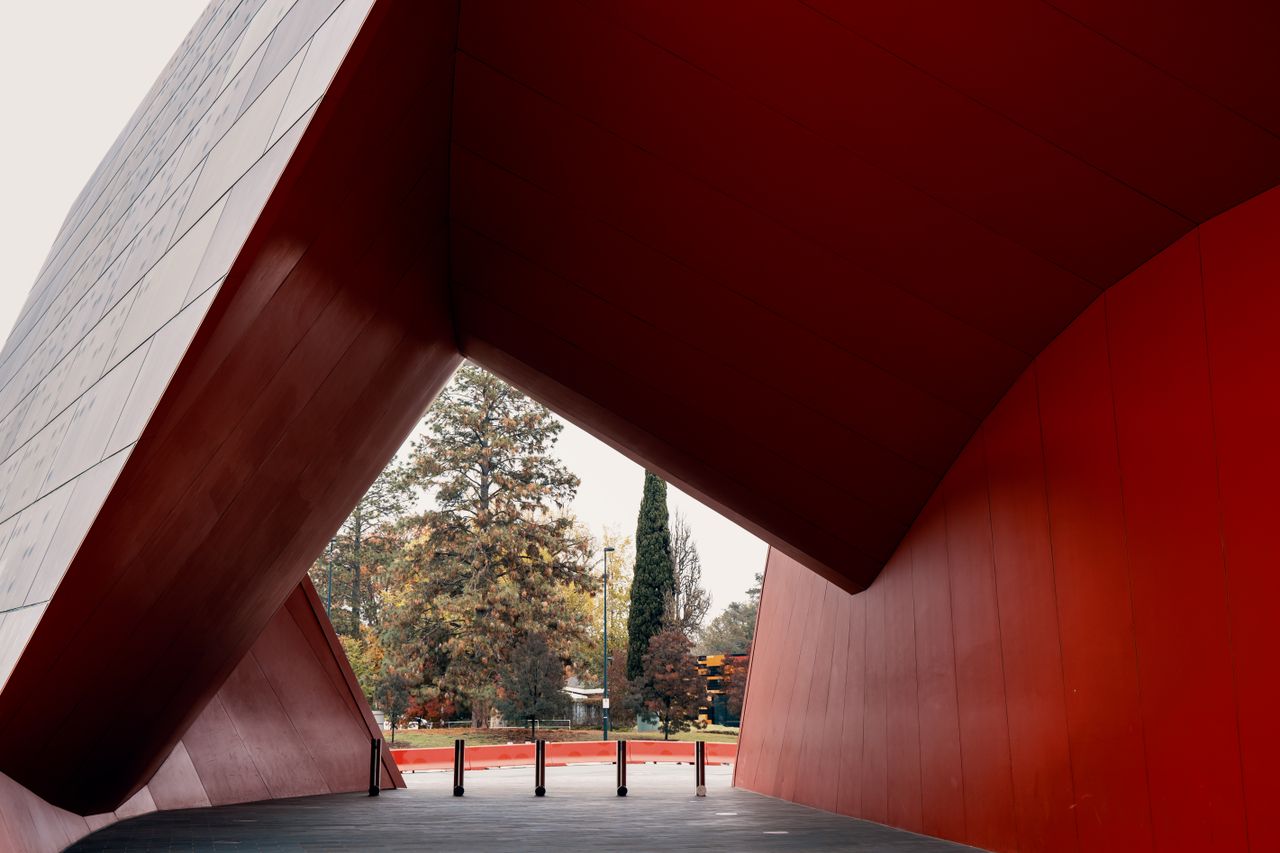
Does corten steel stain concrete? In the early weathering stage, yes, rust-colored runoff can mark pale concrete, limestone, light porcelain tiles, rendered walls and other porous surfaces. That does not mean corten steel should be avoided. It means designers and contractors should plan drainage, ground clearance and installation details before the products arrive on site.
The notes below cover why staining happens, where the risk is highest and how buyers can specify corten planters, edging, screens and custom weathering steel products with cleaner runoff control.
Why corten steel can stain concrete
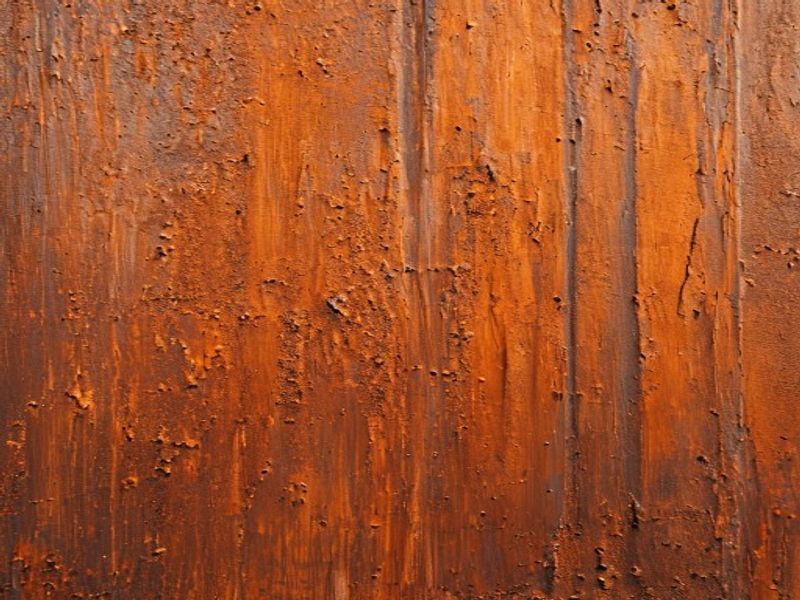
Corten steel develops its protective patina through repeated wet and dry cycles. During the first weeks or months outdoors, loose iron oxide can wash from the surface. If that water runs directly across light paving or vertical concrete faces, it may leave orange-brown marks.
The risk is strongest before the patina stabilizes. It is also higher in rainy climates, coastal air, shaded areas that stay damp, poorly drained planter bases and installations where water is trapped against the steel.
Where staining risk is highest in landscape projects
Most staining problems are not caused by the material alone. They come from the relationship between corten steel, water movement and the surrounding surface. Before production, review where rainwater, irrigation water and condensation will go.
- Corten steel planters placed directly on pale concrete paving without feet, gravel strips or drainage gaps.
- Landscape edging installed above light stone, concrete steps or rendered retaining walls.
- Laser cut screens and facade-style panels where rainwater runs down onto white walls or paving.
- Fire pits, BBQ surrounds or decorative features located on porous patios before the patina is mature.
- Planter boxes with blocked drain holes, saturated soil or irrigation overflow that keeps the base wet.
How to reduce corten runoff stains
The best approach is to treat runoff as a design detail, not an afterthought. For commercial landscapes, hotels, public spaces and export projects, include runoff control in the drawing review and installation notes.
Practical detailing options
- Use gravel, planting beds, darker paving or sacrificial zones below fresh corten steel edges.
- Add feet, spacers or raised bases so planter bottoms do not sit flat on concrete.
- Include drain holes and internal drainage layers so water leaves planters quickly.
- Direct water away from light porous materials with drip edges, slope and clear drainage paths.
- Keep panels ventilated; avoid trapping water between corten steel and walls.
- Pre-weather products where project timing and appearance requirements allow, while still allowing for variation.
Product-specific notes for planters, edging and screens
Corten steel planters
Planters need the most attention because soil and irrigation keep moisture near the steel. Specify drainage holes, optional liner strategy, raised feet and a gravel or planting zone under the base. If the planter will sit on expensive paving, request drawings that show the base detail clearly.
Landscape edging and retaining strips
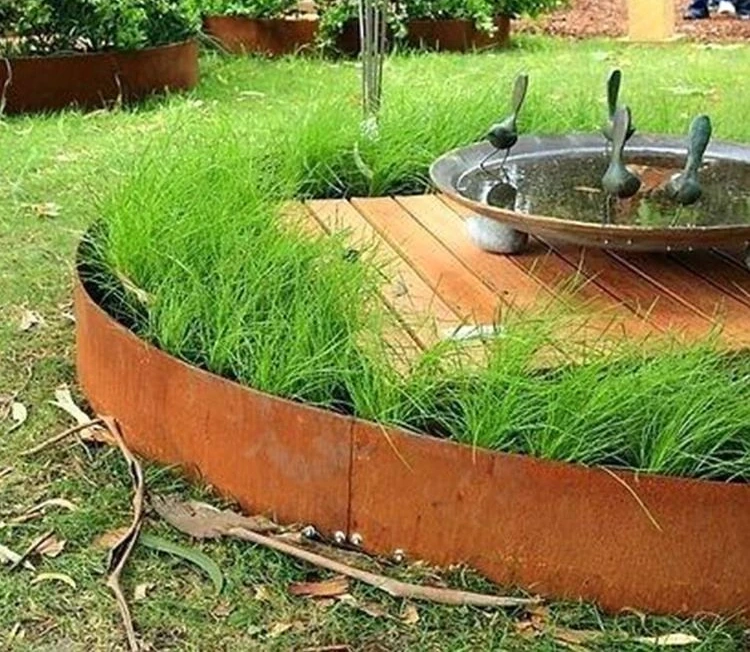
Edging often runs along paths, lawns and planting beds. Where corten edging touches light paving, leave a small offset or use a gravel strip so early runoff does not track directly across the walking surface. For taller retaining edging, confirm soil drainage behind the plate.
Laser cut screens, gates and wall panels
Vertical panels can stain the surface below them if rainwater follows the panel face. Use standoffs, drip edges, darker plinths or washable base materials. For screens fixed near rendered walls, make sure there is ventilation and a clear water path.
Can stains be cleaned from concrete?
Fresh surface staining may sometimes be reduced with appropriate cleaning methods, but porous concrete and natural stone can absorb marks deeply. Cleaning results vary by surface type, age, sealing and exposure. For high-value paving, prevention is safer than relying on later cleaning.
If a project uses light paving, discuss sealing, runoff zones and temporary protection with the contractor before installation. Avoid testing harsh cleaners on visible surfaces without approval from the paving supplier.
What to include in an RFQ
When asking CortenFactory to quote corten steel products for a project with concrete, stone or tiled surfaces, include the surrounding material and drainage context. This helps the fabrication team suggest better base, foot, hole and packing details.
- Product type: planter, edging, screen, gate, fire pit, sculpture or custom fabrication.
- Installation surface: concrete, stone, tile, gravel, soil, timber deck or raised structure.
- Photos or drawings showing slope, drainage channels, walls and adjacent paving color.
- Required base details, feet, anchor holes, liners, brackets or standoffs.
- Finish expectation: raw corten, partly weathered appearance discussion or project reference photos.
- Destination, packing limits, installation schedule and whether products need labels by area.
Related CortenFactory resources
For product and specification context, review corten steel planter boxes, landscape edging, laser cut corten screens, custom corten steel fabrication, the corten patina timeline guide, the planter drainage and liner guide and export packing tips.
FAQ: corten steel stains and runoff
Does corten steel always stain concrete?
Not always, but early rust runoff can stain light or porous concrete if water drains directly from the steel onto the surface. Good drainage and layout reduce the risk.
How long does corten runoff last?
Runoff is usually most noticeable during the early patina period. Timing depends on rain, humidity, exposure, surface condition and wet-dry cycles, so projects should plan for variation.
Can corten planters be placed on concrete?
Yes, but use drainage holes, feet or spacers, gravel zones, liners where appropriate and careful irrigation control so water does not collect under the planter.
Is pre-weathered corten steel stain-free?
Pre-weathering can reduce the strongest early runoff, but it should not be treated as a guarantee of zero staining. Installation details and drainage still matter.
What paving works best near corten steel?
Darker paving, gravel, planting beds and washable surfaces usually hide or handle runoff better than white concrete, light limestone or porous pale stone.
CTA: send your site details before fabrication
Planning corten planters, edging, screens or custom weathering steel products near concrete or stone? Send drawings, site photos, paving details, drainage notes and quantities to CortenFactory for a practical fabrication and quotation review.
Need a factory quote for Does Corten Steel Stain Concrete? Runoff Guide for Outdoor Projects?
Send your drawings, size list, quantity and destination country. Corten Factory can support custom weathering steel fabrication, export packing and project quotation.