
USA Corten Steel Landscape Edging for Commercial Xeriscape and Streetscape Projects

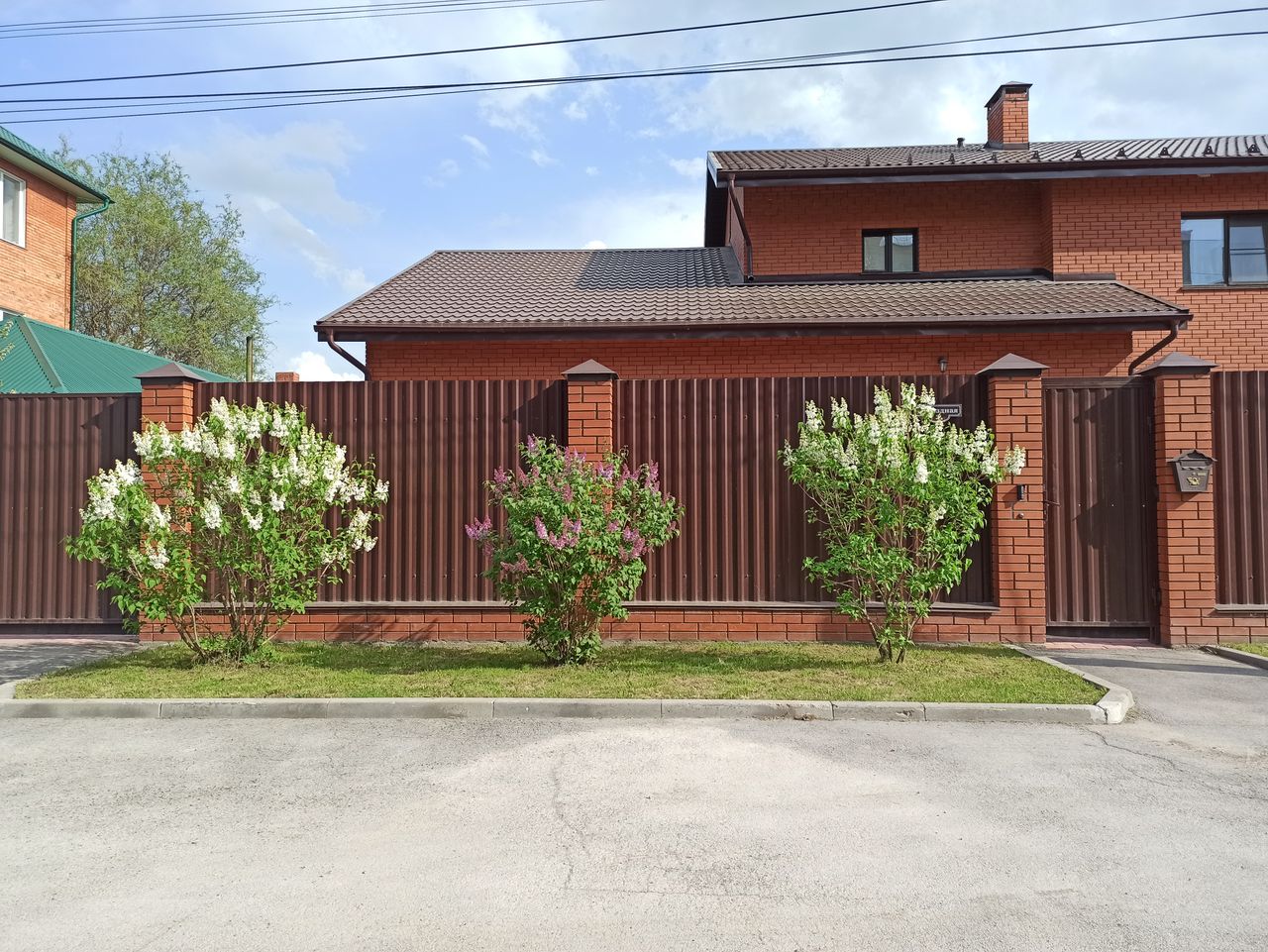
For landscape architects, civil contractors, and municipal buyers in the United States, Corten steel landscape edging sits between planting design and site engineering. It has to hold decomposed granite, gravel mulch, native planting, bioswale edges, tree pits, and pedestrian zones without looking like temporary site trim. The best edging packages are specified as a system: weathering steel grade, gauge, stake spacing, radiused corner method, drainage detail, installation tolerance, and maintenance plan. This guide focuses on American commercial projects such as streetscapes in Texas and Arizona, campus paths in California, parks in Colorado, hospitality courtyards in Florida, and mixed-use developments across the Midwest and Northeast.
If you are comparing supplier options, keep the specification tied to the local project setting rather than a generic product page. A Phoenix xeriscape median needs different anchoring and heat-expansion checks than a Boston roof terrace planter edge. For related reference work, review our USA commercial Corten landscape edging guide, our Corten planters for coastal commercial landscapes, and our tropical drainage notes for Singapore and Malaysia edging. Technical teams may also cross-check public realm requirements with the ADA Standards for Accessible Design, flood-sensitive siting information from FEMA flood maps, and material test language from ASTM International.
Where Corten edging fits in American commercial landscapes
Weathering steel edging is strongest when the designer wants a crisp line that can accept daily foot traffic, mower contact, and seasonal changes without plastic movement or timber decay. In U.S. projects, the product is often used along gravel walkways, rain gardens, retail parking lot islands, park trail thresholds, hotel courtyards, and drought-tolerant planting beds. The material earns its place when the edge is visible, long-running, or part of a premium landscape package. If the edge will be hidden below turf, a simpler galvanized or aluminum system may be more cost-effective.
The steel develops a protective oxide layer when it cycles between wet and dry. That detail matters in the USA because many projects sit in either very dry climates or freeze-thaw climates. In desert states, irrigation overspray can create uneven wetting; in northern states, snow storage and de-icing salts can attack edges at curb lines; in coastal states, chloride exposure can delay stable patina. Good detailing reduces these risks before the first shipment leaves the factory.
Recommended technical parameters
| Application | Typical thickness | Height range | Stake or fixing method | Notes for U.S. projects |
|---|---|---|---|---|
| Decomposed granite paths | 3.0 mm / 11 gauge | 100-150 mm | Welded or bolted stakes at 600-900 mm centers | Use tighter stake centers on curves and near wheelchair routes. |
| Commercial planting beds | 3.0-4.0 mm | 150-300 mm | Flat bar stakes or rebar pins with slotted holes | Allow top edge tolerance so mulch depth remains even. |
| Roadside medians | 4.0-6.0 mm | 200-450 mm | Anchor tabs into concrete haunch or driven structural stakes | Check vehicle maintenance access and snow-plow risk. |
| Roof terraces | 2.0-3.0 mm | 80-200 mm | Freestanding folded profiles or pedestal-compatible brackets | Coordinate with waterproofing consultant and load limits. |
| Bioswale edges | 4.0 mm minimum | 200-400 mm | Extended stakes below finished grade | Include perforation or weep strategy where water may pond. |
For most commercial American jobs, 3.0 mm is the practical starting point. Thin 1.5 mm decorative edging can work in small residential beds, but it is often too flexible for municipal or retail work. Use 4.0 mm where curves are broad, where the edging retains gravel against maintenance loads, or where long straight lines must stay visually flat. Use 5.0-6.0 mm for heavy streetscape bands, raised curb-like features, or high-abuse public zones.
Climate notes by U.S. region
Southwest: Arizona, Nevada, New Mexico, inland California
In hot dry climates, Corten may weather slowly unless the site receives controlled wet-dry cycles. Contractors should avoid constant irrigation overspray on one side of the edge, because it can create a streaked finish and damp soil contact. Where steel sits against decomposed granite, specify a compacted base and a small drainage path so water does not sit against the lower edge after rare heavy storms. Expansion is also visible on long runs, so break the edging into manageable modules with hidden lap joints or slotted splice plates.
Pacific Northwest and Northeast
These regions give weathering steel enough moisture, but the risk is slow drying in shaded planting beds. Specify open gravel behind taller edges, avoid wrapping steel tightly in wet geotextile, and provide air movement where edging meets timber boardwalks. In freeze-thaw states, staking depth and backfill compaction matter as much as steel thickness. Frost heave can push poorly anchored edging out of alignment, especially along paths with plowed snow piles.
Coastal zones and Gulf states
Near salt spray, brackish water, pool decks, or marine wind corridors, weathering steel needs careful review. It is not a universal substitute for stainless steel. Use Corten in locations where the surface can dry, where salt deposition is limited, and where runoff will not stain pale stone. For Gulf Coast hospitality projects, ask for sample panels exposed on site before committing to large decorative runs.
Material comparison for project teams
| Material | Best use | Weak point | Typical design reason |
|---|---|---|---|
| Corten / weathering steel | Visible premium edges, gravel paths, native planting, civic landscapes | Needs wet-dry cycles and runoff control | Warm patina, strength, long service life. |
| Galvanized steel | Hidden or utilitarian edges, lower-cost municipal work | Silver finish may not match natural planting schemes | Predictable corrosion protection at lower cost. |
| Aluminum | Lightweight roof terraces and coastal sites | Can dent or wave on long exposed lines | Low weight and good corrosion resistance. |
| Stainless steel | Marine sites, pool decks, food-service zones | Higher price and reflective appearance | Strong corrosion resistance where chlorides are present. |
| Concrete curb | Heavy civil separations and vehicular edges | More formwork, heavier site works | High impact resistance and familiar contractor method. |
Specification language that prevents change orders
- Call out ASTM A588, ASTM A242, or equivalent weathering steel grade, or approve EN S355J2W / S355J0WP equivalents when importing.
- State nominal thickness after fabrication, edge radius, top fold, corner radius, stake profile, and module length.
- Require shop drawings showing splice plates, slotted holes, stake spacing, drainage gaps, and any transitions to concrete or paving.
- Ask for pre-shipment photos of raw steel, welds, bends, stake sets, packed crates, labels, and sample weathered finish.
- Define acceptable color range as orange-brown to dark brown during early service, not a single paint-like color.
- Include instructions that installers must remove mill scale, oil, and packing residue before weathering begins.
Many disputes arise when the drawing shows a neat line but does not describe how the line is held in the ground. For long U.S. streetscape runs, the edging should not depend only on shallow pins. Use structural stakes, concrete haunching at selected points, or bolted brackets where soil is loose or where the product is close to paving. Curved edging should be factory rolled or supplied in short segmented lengths; forcing thick steel into a tight radius on site leads to kinks and open joints.
Installation sequence for contractors
- Confirm finished grades, ADA clear widths, cross slopes, curb transitions, and drainage inlets before opening crates.
- Lay out the edging with string lines or laser levels. Mark expansion breaks, corner modules, irrigation sleeves, and tree root protection zones.
- Prepare a compacted base. For gravel paths, keep the subbase wide enough that stakes do not sit in loose soil.
- Install straight runs first, then curves, then termination pieces. Use temporary braces until backfill locks the line.
- Check top edge elevation every few meters. A small wave becomes obvious after gravel or mulch is placed.
- Keep wet concrete, mortar wash, fertilizer, and irrigation chemicals off the steel during installation.
- Photograph the completed work before planting mulch hides stakes and splice points.
When Corten edging sits beside an accessible route, the top edge should not create a trip point or reduce the required clear width. For public sidewalks, parks, and campus work, coordinate with the civil engineer on cross slope, detectable warnings, curb ramps, and path edge protection. The steel supplier cannot solve an ADA conflict after fabrication if the route width has already been set.
Cost and procurement table for U.S. buyers
| Package | Indicative factory scope | Cost driver | Buyer note |
|---|---|---|---|
| Standard straight edging | 100-150 mm high, 3 mm thick, stakes included | Steel thickness and packing length | Best for quick commercial beds and paths. |
| Curved landscape edging | Factory rolled or segmented modules | Radius, drawing time, trial fit | Send CAD files with exact radii and chord lengths. |
| Heavy streetscape edge | 4-6 mm thick, taller profiles, anchor tabs | Fabrication time and crate weight | Confirm offload equipment and pallet limits. |
| Roof terrace edging | Folded profiles, pedestal brackets, drainage breaks | Waterproofing coordination | Request load data and non-penetrating options. |
| Branded public realm edge | Laser-cut names or district patterns | Cutting time and artwork approval | Check if cut-outs weaken the retaining band. |
A buyer should not judge price only by price per linear foot. Stake design, crate length, module count, corner treatment, finishing, and freight class can change the landed cost. For international shipments to the United States, consolidate edging with Corten planters, screens, or fire features when the project schedule allows. Mixed crates must still be labelled by zone so the crew does not waste time sorting parts on a busy site.
Project applications
Retail centers and restaurant streets
Use Corten edging to separate patio gravel, planting pockets, and service walkways. Keep runoff away from light porcelain pavers and set the steel below chair movement zones.
Municipal streetscapes
Specify thicker edges with replaceable modules near snow storage, bus stops, loading bays, and tree grates. Include spare modules in the first order.
Corporate campuses
Long lines work well along bioswales and native planting. Ask for consistent module lengths and hidden splices so maintenance teams can remove sections when utilities are accessed.
Hotels and resorts
Corten gives a warm material link between planters, fire pits, screens, and path edges. Check local fire separation around outdoor burners if the edging forms part of a terrace layout.
Parks and trailheads
Use taller edges where aggregate meets planting on slopes. In flood-prone parks, consider sacrificial or removable modules in areas with debris impact.
Quality checks before shipment
Before final payment, request a clear photo set. The factory should show thickness checks, welded stakes, splice holes, corner modules, surface preparation, and crate labels. For Corten, the visual finish before full weathering can look patchy; that is normal. What matters before shipment is that oil, deep scratches, sharp burrs, and weld defects are removed. If the job requires a pre-weathered look, ask for photos under natural light rather than warm indoor lighting.
Packaging should keep long edges from bending. Use timber frames, steel banding with corner protection, and waterproof wrapping that still allows inspection at receiving. Site teams should store crates off the ground and avoid leaving wet plastic tight against the steel for weeks, because uneven moisture can mark the surface before installation.
Drawing review checklist for procurement teams
A drawing review should be held before the purchase order is released. The review is not only an architectural sign-off; it is a practical check of what the factory will cut, bend, weld, pack, and label. Ask the supplier to mark each module with an item code that appears on the plan, elevation, packing list, and installation sequence. This small administrative step saves hours on site, especially when several similar pieces have different hole positions or handed corners.
- Confirm all dimensions are in millimeters and that tolerances are written beside the critical dimensions.
- Identify visible faces, hidden faces, drainage faces, and faces that must not receive handling marks.
- Show every joint: butt joint, lap joint, splice plate, corner fold, welded corner, and field-cut end.
- State whether holes are for fixing, drainage, lifting, irrigation, lighting, or later access.
- Mark any parts that must be packed last because they are installed first.
Factory inspection points
Factory inspection does not need to be complicated, but it should be consistent. For B2B buyers, a photo record is often enough for standard orders, while larger civic or hotel projects may need a third-party inspection. The key is to inspect before packing, because correcting a missing drain hole or wrong bracket after sea freight is costly. Require photos of measuring tools on the steel thickness, trial assembly of corners, close-ups of welds, and labels on each module.
Tolerance should be realistic. Weathering steel products for landscapes and facades are fabricated items, not machined instruments. The specification should separate critical tolerances, such as joint alignment and fixing hole position, from less critical tolerances, such as hidden return dimensions. This makes quality control fair and prevents arguments about details that do not affect the finished work.
Maintenance plan after handover
The handover pack should explain that weathering steel changes color. Facilities teams should know what normal early orange runoff looks like, how to clean adjacent paving, and which chemicals to avoid. Acid cleaners, aggressive pressure washing, and chlorine-rich wash water can damage the surface or create uneven marks. Routine maintenance is usually simple: remove leaves and soil build-up, keep drains open, rinse salt or fertilizer deposits, and inspect fixings during scheduled site visits.
If the project uses irrigation, direct spray heads away from one-sided constant wetting. Drip irrigation is often better than overspray because it reduces marks on visible steel faces. Where planting grows over the steel, trim it enough to allow air movement. Patina quality improves when the surface can dry after rain.
Sustainability and service life notes
Weathering steel has a strong sustainability argument when the design avoids repeated repainting and premature replacement. The steel is recyclable, durable, and suited to modular fabrication. The environmental benefit depends on correct detailing: a part that fails early because it stayed wet is not sustainable. Buyers should ask for sensible thickness, replaceable modules in high-risk areas, and clear maintenance instructions rather than simply asking for the thinnest possible sheet.
Commercial tender notes
Tender packages for weathering steel should make comparison easy. Ask every bidder to price the same drawings, same material grade, same surface treatment, same crate limits, and same inspection record. If one bidder includes shop drawings, trial assembly, pre-weathering, spare fixings, and export packing while another bidder prices bare fabricated metal, the totals are not equal. Procurement managers should build a bid tab that separates material, fabrication, finish, packing, freight, documentation, and optional site support.
Payment terms should reflect project risk. A common structure is deposit at order, balance after pre-shipment inspection, and freight arranged after approval. For custom public realm work, retain clear approval gates: drawing approval, sample approval, production start, pre-packing inspection, and delivery document check. This protects both sides and reduces late design changes.
Risk register for designers and contractors
| Risk | Likely cause | Control measure |
|---|---|---|
| Paving stains | Early oxide runoff onto pale porous surfaces | Add drip edges, gravel bands, dark stone margins, or temporary protection. |
| Uneven color | One-sided irrigation, shaded damp zones, or contact with wet packaging | Balance wetting, improve airflow, open crates after arrival, and avoid trapped moisture. |
| Panel distortion | Thin sheet, large flat panels, heat from welding, or poor fixing layout | Use folded returns, ribs, thicker steel, and movement slots. |
| Delayed installation | Unclear shop drawings or crates not sorted by zone | Approve coded drawings and require matching crate labels. |
| Maintenance complaints | Facilities team not briefed on normal weathering behavior | Provide handover notes with cleaning limits and inspection schedule. |
How to brief the supplier
A strong inquiry includes site location, product type, intended exposure, drawings, target finish, order quantity, packing limits, delivery deadline, and inspection requirements. If the product will sit near pools, seawater, de-icing salts, food service areas, children, or accessible routes, say so at the start. The supplier can then adjust grade, thickness, edge finishing, liners, brackets, or packing before price is fixed.
Photos of the site are useful even when drawings are complete. They show surrounding paving, drainage points, access roads, lifts, nearby walls, and crane limits. For replacement work, send photos of the existing failed detail so the new Corten element does not repeat the same problem. For rollout work across several sites, identify which details are standard and which need local adaptation.
Documentation to request with delivery
- Commercial invoice and packing list with item codes that match the drawings.
- Material certificate or grade declaration for the weathering steel used in the order.
- Photo record of fabrication, surface preparation, and packing.
- Installation notes covering lifting, fixing, drainage, and protection of adjacent finishes.
- Maintenance notes for early weathering, cleaning, and inspection.
- Spare fastener list and any recommended replacement part numbers.
Mock-up approval
A mock-up is the safest way to align expectations. It can be a full corner, a short run of edging, one facade cassette, one screen bay, or a planter section. The mock-up should show the real thickness, top edge, weld treatment, fixing method, drainage detail, and early patina. Approve it under daylight and photograph it with a date. The record helps the client understand that weathering steel is a living surface, not a painted RAL color.
For large orders, keep the approved sample until the final shipment is accepted. If a dispute arises over color, weld grinding, corner radius, or cut-out quality, the sample gives the project team a fair reference. Samples should not be stored under wet plastic or in direct contact with soil, because that would create a false surface compared with the installed product.
Coordination with other trades
Weathering steel packages touch many trades. Irrigation teams affect wetting patterns, paving teams control runoff channels, electricians may need sleeves for lighting, waterproofing teams protect roof slabs, and cleaners inherit the finished surface. A coordination meeting before fabrication should list every penetration, bracket, sleeve, drain, access cover, and adjacent finish. This prevents site drilling through finished Corten and avoids rushed sealant work that traps moisture.
Lighting is a common example. Designers may want LED strips behind screens or under planter lips, but cable routes, heat, maintenance access, and water ingress must be planned. If the factory knows the lighting layout, it can provide folded channels, removable covers, or protected holes. If the electrician cuts holes on site, burrs and exposed raw edges may stain unevenly and void the agreed finish standard.
Receiving inspection on site
When crates arrive, the site team should check labels, count modules, inspect visible damage, and photograph the delivery before moving items. Any wet wrapping should be opened enough to allow air movement. Long panels and edging strips should be supported along their length, not lifted from one end. If parts will be stored for more than a few days, keep them off soil, away from cement dust, and separated with clean spacers.
The first installation day should include one trial area. Set a short run or one bay, check alignment, verify fixings, test drainage, and ask the designer or clerk of works to approve it. After that, the crew can repeat the method with fewer mistakes. This simple pause is cheaper than correcting a long misaligned run after planting or paving is complete.
Final pre-order meeting agenda
Before issuing the order, hold a short meeting with the architect, contractor, procurement manager, and supplier. Confirm the drawings, exposed faces, finish expectation, installation sequence, storage location, and cleaning responsibility. Record who approves small changes if site dimensions differ from drawings. A clear agenda reduces rushed emails once steel has already been cut.
Common Buyer Questions
Will weathering steel stain paving during the first season in the United States?
Yes, runoff can carry iron oxide until the patina tightens. For Corten steel landscape edging, specify a gravel maintenance strip, hidden drip edge, or darker sacrificial paving where early runoff may occur. On light limestone, pale concrete, porous sandstone, and rendered walls, ask for mock-up weathering and keep a wash-down allowance in the method statement.
Should panels or planters arrive pre-weathered?
Factory pre-weathering gives a more even starting tone and lets the buyer inspect welds, folded corners, drain holes, and fixing slots before packing. It does not replace on-site weathering. The surface will continue to change after installation, so sample approval should describe a color range rather than one fixed shade.
What information should a purchase order include?
List grade, thickness, finish, drawing revision, tolerances, weld standard, packing method, Incoterms, requested inspection photos, spare parts, and the exact site contact. For repeat rollouts, add a numbered tag plan so crates match the installation zones.
Can Corten be used near stainless steel, aluminum, or timber?
Yes, but isolate mixed metals with EPDM, nylon washers, or coated brackets. Leave timber with ventilation gaps, because trapped dampness slows patina formation and can mark softwood. Stainless fasteners are common, yet the washer system should prevent galvanic staining at slots and bolt holes.
How early should procurement start?
For a small batch of standard edging, six to eight weeks can work when drawings are clean. For custom laser-cut screens, large planters, curved edges, water trays, or facade panels, allow ten to sixteen weeks including shop drawings, sample approval, fabrication, weathering time, packing, sea freight, customs, and local delivery booking.
Clear purchasing advice
For U.S. commercial xeriscape and streetscape work, choose 3.0 mm weathering steel as the normal baseline, move to 4.0 mm or thicker for public edges under maintenance load, and define drainage before price comparison. Ask suppliers to quote the same module lengths, stakes, splice plates, finish, drawings, and packing method. If the project is coastal, shaded, salt-exposed, or subject to snow storage, include that information at inquiry stage. The lowest edging quote can become expensive if it arrives with weak stakes, unclear corners, or no installation logic.
Related resources:
Need a factory quote for USA Corten Steel Landscape Edging for Commercial Xeriscape and Streetscape Projects?
Send your drawings, size list, quantity and destination country. Corten Factory can support custom weathering steel fabrication, export packing and project quotation.