
Qatar Corten Steel Water Features and Facade Panels: Hotel Courtyard Procurement Guide

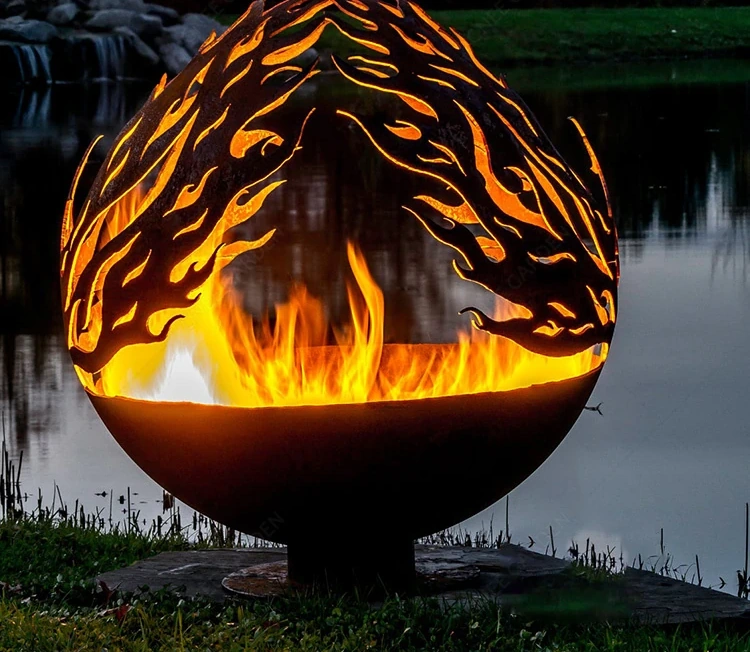
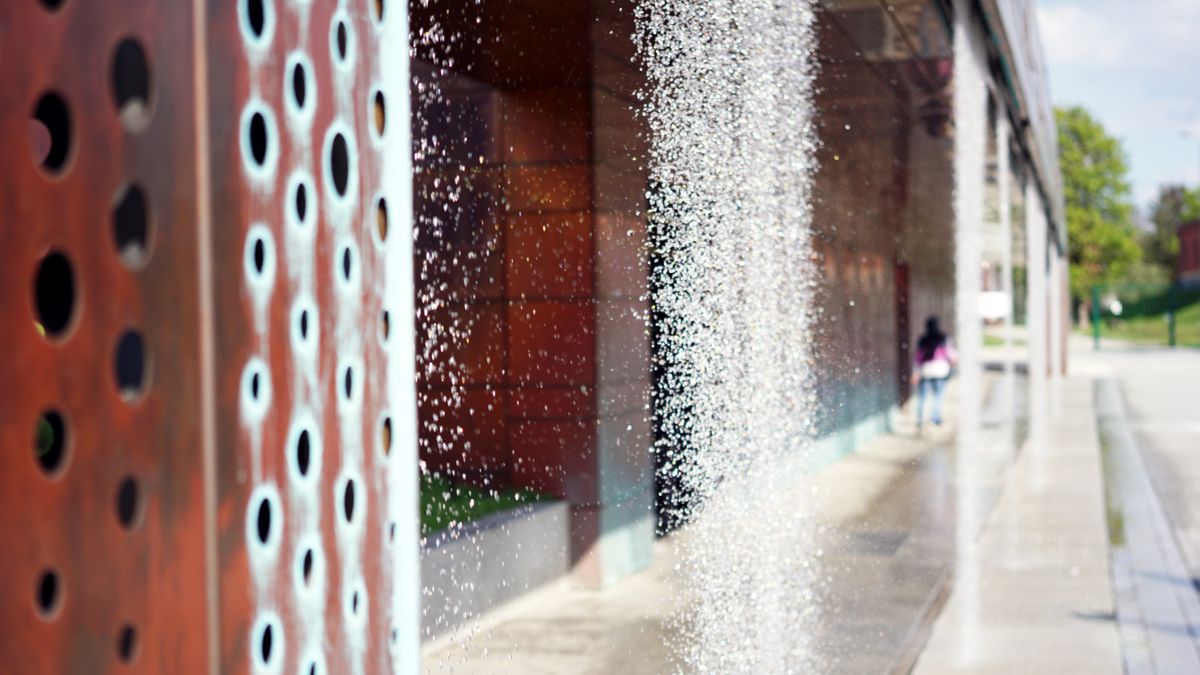
Qatar Corten Steel Water Features and Facade Panels: Hotel Courtyard Procurement Guide is written for landscape architects, architects, main contractors, quantity surveyors, and procurement teams who need corten steel products that look right on day one and still perform after years of public use. Qatar projects often ask a simple question: when does weathering steel work better than painted mild steel, aluminium, stainless steel, timber, or concrete? The answer depends on moisture cycles, detailing, drainage, access for installation, public safety, and the way the patina is allowed to mature.
For B2B buyers, corten is not only a colour choice. It is a steel specification, a fabrication method, a packing plan, and an installation sequence. A planter on a shopping centre terrace has different risks from a long run of edging in a civic park. A screen facing sea air needs different fixings and runoff control from a decorative panel in a dry courtyard. This guide focuses on corten steel water features and facade panels for Qatar hotels, villa compounds, shaded courtyards, retail promenades, and cultural public realm, with practical notes for Qatar climates, tender documents, shop drawings, and factory purchasing.
Corten Factory manufactures weathering steel planters, raised garden beds, edging, screens, fire features, facade panels, water features, and sculpture for commercial projects. The notes below are based on common export work: container loading, laser cutting, bending, welding, pre-rusting choices, drainage details, sample approval, and coordination with local installers.
Why Qatar Specifiers Choose Corten for corten steel water features and facade panels
Weathering steel contains alloying elements such as copper, chromium, nickel, and phosphorus. Under suitable wet and dry cycles, the surface forms a dense oxide layer that slows later corrosion. The result is a warm rust-brown finish that reads as natural and architectural without routine repainting. This makes corten attractive where a project wants texture, low visual glare, and a finish that sits well beside planting, stone, brick, timber, and exposed concrete.
In Qatar, design teams also like corten because it reduces the repainting problem that appears with powder coated or wet painted steel in busy outdoor spaces. When paint is scratched by maintenance tools, bicycles, trolleys, or public use, repairs can look patchy. Corten is different: marks usually blend into the developing patina, provided the detailing keeps water from sitting in joints. That does not mean corten can be used anywhere without thought. Constant dampness, trapped soil against thin plate, salt spray, and poor drainage can shorten service life.
- For architects: corten gives a consistent design language across planters, screens, edging, cladding, and sculptural elements.
- For contractors: factory fabricated modules reduce site welding, hot works permits, and finish repair after installation.
- For procurement managers: corten often lowers lifetime finish maintenance compared with painted mild steel.
- For landscape teams: the material pairs well with grasses, native planting, gravel, basalt, sandstone, and concrete paving.
Qatar Climate and Site Conditions That Affect Weathering Steel
Qatar projects face high heat, strong sun, wind-blown dust, coastal humidity, occasional heavy rain, desalinated irrigation water, and air-conditioned indoor-outdoor transitions. Doha hotel courtyards and waterfront projects may also face chloride exposure. Weathering steel can perform well as a dry cladding or decorative shell, but water features require careful separation between the visible corten skin and the water-retaining system. Any constantly wet steel surface should be treated as a higher-risk zone and detailed with liners, removable trays, stainless components, and access panels.
The most important rule is to create repeated wet and dry cycles. Weathering steel should be allowed to dry after rain, irrigation, washing, or mist. If the surface stays damp under leaves, soil, mulch, or ponding water, the patina remains active and the expected corrosion rate changes. On coastal or heavily de-iced sites, chloride exposure can also interfere with the stable oxide layer. In those zones, designers should specify thicker material, raised bases, stainless fixings, sacrificial liners, or alternative finishes where needed.
Local detailing checklist
- Confirm exposure: coastal, inland urban, humid courtyard, shaded wall, roof terrace, irrigated planter, or public waterfront.
- Keep corten away from pale porous paving unless runoff is captured during the early patina stage.
- Use geotextile, drainage board, and free-draining aggregate inside planters and raised beds.
- Separate corten from dissimilar metals where galvanic risk exists, especially in wet fixing zones.
- Allow inspection access around pumps, drains, gas lines, or lighting when corten forms part of a feature assembly.
Recommended Technical Parameters for corten steel water features and facade panels
The right thickness depends on size, span, exposure, handling method, and whether the item is freestanding or fixed to a substrate. Many failed corten projects are not material failures; they are under-specified fabrication packages. Long panels need stiffeners. Tall planters need internal bracing. Edging needs enough gauge to resist soil movement and maintenance equipment. Water feature basins need welded testing and service access.
| Item | Common specification | Factory note | Buyer check |
|---|---|---|---|
| Weathering steel grade | ASTM A588, ASTM A242, EN 10025-5 S355J2W/S355J0WP, or equivalent | Mill certificate available on request | Match grade to local tender and exposure |
| Plate thickness | 1.5-2.0 mm for light edging; 2.0-3.0 mm for planters; 3.0-6.0 mm for screens, panels, and structural-looking items | Thicker plate reduces distortion and improves dent resistance | Confirm span, height, and public access |
| Cutting | Laser cut, plasma cut, or waterjet for special shapes | Laser cut gives clean slots and repeated patterns | Ask for DXF review before production |
| Forming | CNC bending, rolling, welded corners, bolted modules | Large pieces can be split for container loading | Check site lifting and access width |
| Surface | Raw mill finish, shot blasted, or pre-weathered | Pre-weathering reduces the bright orange start-up period | Agree acceptable colour range, not one fixed colour |
| Fixings | Stainless steel, weathering steel tabs, hidden brackets, base plates | Fixing choice affects staining and maintenance | Coordinate with local engineer |
| Packing | Foam, corner guards, steel frame, pallet, or crate | Export packing prevents edge damage | Confirm unloading equipment and storage area |
Material Comparison for Specification Meetings
Corten is often compared with galvanised steel, powder coated aluminium, stainless steel, concrete, and timber. Each material has a place. The best choice depends on design intent, local climate, budget, impact risk, and maintenance capacity. The table below helps project teams explain why corten may be the right choice for Qatar commercial landscapes and when another material may be safer.
| Material | Strengths | Limitations | Best use |
|---|---|---|---|
| Corten steel | Natural patina, high strength, good for custom shapes, no paint cycle | Early runoff staining, needs drainage, not ideal for constant salt spray | Feature planters, edging, screens, facade accents, public art |
| Painted mild steel | Low initial cost, any colour | Chips expose steel; repainting needed | Indoor or low impact outdoor items |
| Galvanised steel | Good corrosion protection, practical for hidden structure | Industrial silver look; coating can be visible after cutting | Subframes, brackets, utility areas |
| Aluminium | Lightweight, good for roof loads, accepts powder coat | Lower stiffness; dents can be visible | High-rise terraces where weight is strict |
| Stainless steel | Clean look, high corrosion resistance in correct grade | Higher cost, reflective finish may not suit natural landscapes | Marine zones, water contact, hygienic public areas |
| Concrete | Mass, durability, fire resistance | Heavy, slower to install, cracking risk | Permanent benches, barriers, civic elements |
| Timber | Warm appearance, easy to work | Movement, rot, frequent treatment in exposed sites | Seating tops, small garden elements |
Design and Fabrication Details That Prevent Site Problems
1. Drainage before appearance
Drainage is the first design issue, even when the product is decorative. Planters need open base zones or hidden drain holes above the finished paving. Raised beds should avoid a sealed bowl unless an irrigation and drain plan is shown. Screens and facade panels should be spaced from the backing surface so air can move behind the corten. Water features need a separate waterproof basin or engineered stainless liner when the corten shell is decorative.
2. Runoff control during the patina stage
Fresh corten can release rusty water during the first months of exposure. This is normal, but it can stain pale stone, concrete, render, or tiles. On Qatar projects, the safest approach is to keep corten off light porous surfaces, use gravel strips below vertical panels, add drip edges, or pre-weather parts in the factory. During handover, contractors should explain that colour variation is part of the finish and not a coating defect.
3. Modular sizing for shipping and access
Procurement teams should match product dimensions to container loading, forklift capacity, goods lift size, crane reach, and final installation access. A large planter may look simple in a rendering but can be difficult to move through a completed hotel, mall, or apartment lobby. Splitting long runs into bolted modules often saves cost on site, even if the factory package has more parts.
4. Weld quality and visible edges
Visible corners should be ground consistently, but over-grinding thin plate can weaken an edge. For premium public realm work, request a sample corner or shop photo before mass production. Laser cut screens need burr removal, stable frame design, and pattern review so narrow bridges do not warp during weathering or handling.
Qatar Regulations, Standards, and Tender Notes
Qatar projects normally require coordination with local civil defence, municipality approvals, consultant specifications, hotel operator standards, electrical safety rules, water treatment requirements, and wind loading checks for facade elements. Where panels are used on buildings, the local facade consultant should confirm subframe, fire breaks, fixings, ventilation cavity, and maintenance access. Water features also need safe pump isolation, overflow control, anti-slip planning, and routine cleaning access in dusty conditions.
Most corten products are non-structural landscape or architectural items, but they still interact with safety, accessibility, fire, wind, and public liability requirements. A screen may need wind load review. A planter on a roof terrace may need weight checks. A fire pit must meet gas or solid fuel rules. A water feature requires electrical isolation, pump access, slip control, and water treatment planning. The factory can provide drawings and material certificates, while final compliance should be confirmed by the local architect, engineer, or approved installer.
- Request material certificates and confirm the weathering steel grade in the purchase order.
- Ask for shop drawings with dimensions, fixing points, drainage, and lifting method.
- For public areas, avoid sharp exposed corners; specify radius, folded top edges, or cap details.
- For balustrade-adjacent screens, confirm code height, climbability, and wind loading locally.
- For roof terraces, include wet soil weight, irrigation water, and saturated media in load checks.
Cost and Specification Planning Table
Prices vary with steel thickness, pattern complexity, welding length, finish preparation, packing, order volume, and freight route. For early budgeting, the table below gives a practical structure for comparing options. It is not a formal quotation; it is a way to prevent under-scoped tenders.
| Package level | Typical scope | Cost driver | When to choose |
|---|---|---|---|
| Standard modules | Repeated sizes, simple bends, raw corten finish | Steel weight and packing | Large landscape packages, edging runs, standard planters |
| Custom architectural | Project-specific dimensions, welded corners, hidden fixings | Drawing time, welding, grinding, bracing | Hotel entrances, retail terraces, civic spaces |
| Laser cut feature | Custom patterns, framed screens, backlighting allowance | Cutting time, pattern density, frame design | Privacy screens, facade panels, branded public areas |
| Pre-weathered finish | Factory oxidation and cleaning before packing | Handling time and drying cycles | Projects with light paving or short handover schedules |
| Integrated assemblies | Planters with benches, water features, fire pits, lighting brackets | Multi-trade coordination and testing | Premium hospitality and public realm work |
Procurement documents to prepare
- Plan, elevation, and section drawings with finished dimensions.
- Required steel grade, thickness, edge treatment, and surface condition.
- Quantity schedule with repeated modules clearly marked.
- Site photos or access notes, especially for roof terraces and inner courtyards.
- Local code requirements for wind, fire, accessibility, and drainage.
- Required delivery date and preferred shipping terms.
Project Applications in Qatar
In Qatar, corten is used in luxury hotel arrival courts, shaded majlis courtyards, museum landscapes, retail promenades, villa boundary accents, and resort water walls. The material looks strong beside limestone, beige render, basalt, dark porcelain, palm planting, and warm lighting. For hospitality work, the key is to keep the corten as a controlled architectural finish rather than a constantly soaked metal tray.
Hotels and resorts
Corten works well at resort entrances, arrival courts, pool edges, restaurant terraces, and garden rooms. It gives a strong frame to planting without the cold look of stainless steel. For hospitality work, rounded edges, stable bases, clean welds, and controlled runoff are important because guests touch and photograph these elements at close range.
Urban regeneration and public realm
For streetscapes and transport-adjacent landscapes, corten can define planting, protect soil, and separate pedestrian zones. Modules should be thick enough for impact risk and should be detailed so maintenance crews can replace a damaged section without removing the whole run.
Commercial roofs and podium decks
Roof landscapes need lightweight soil mixes, drainage cells, waterproofing protection, and crane or lift planning. Corten planters and screens should sit on pads or adjustable supports that protect membranes and allow water to escape.
Residential developments
Large apartment schemes use corten for shared gardens, entrance planters, privacy screens, and courtyards. Standardising module sizes across the project can cut cost while keeping a custom look.
Installation Guidance for Contractors
- Inspect goods on arrival. Check packing, corners, panels, and accessories before moving items to the work area.
- Store off the ground. Keep parts dry and separated with timber or foam spacers until installation.
- Trial position. Set out modules before drilling or fixing; confirm levels, drainage falls, and joint alignment.
- Protect paving. Use temporary sheets on pale stone or concrete during the early weathering period.
- Use correct fixings. Stainless fasteners are common, but isolation washers may be needed with mixed metals.
- Check drainage. Water should leave planter bases, edging zones, and panel cavities without ponding.
- Clean without sealing. Do not apply random oils, lacquers, or acids unless the finish system has been specified and tested.
For large projects, it is sensible to install one sample bay or mock-up first. The mock-up should include the real substrate, fixing method, drain path, and adjacent paving. This small step often catches issues that drawings miss.
Internal Product Links for Buyers
For related factory options, buyers can review corten steel planter boxes, laser cut corten steel screens, corten steel fire pits, and corten steel lawn edging. Custom sizes and mixed packages can be coordinated through the Corten Factory customization service.
Common Buyer Questions
Will corten stain paving in Qatar projects?
It can stain light porous paving during early weathering. Use gravel margins, drip details, pre-weathering, temporary protection, or darker non-porous paving near the corten. Do not place fresh corten directly above white stone without a runoff plan.
Can corten be used near the coast?
It can be used in some coastal projects, but constant chloride exposure increases risk. Specify thicker plate, better drainage, and suitable fixings. For direct marine spray or permanently damp locations, stainless steel or coated systems may be safer.
How long does the patina take to develop?
Typical outdoor exposure takes several weeks to several months. Colour depends on rain, humidity, sun, air movement, and handling. A stable finish is a range of browns, not a single paint colour.
Should we order raw or pre-weathered corten?
Raw corten is cost-effective and works when the site can tolerate a natural start-up period. Pre-weathered corten is better for premium entrances, light paving, tight handover schedules, and projects where the client expects a mature look at opening.
What information does the factory need for a quotation?
Send drawings or sketches, dimensions, quantities, thickness preference, finish requirement, destination port or city, and photos of the site if access is difficult. For screens and facade panels, include wind load or fixing notes from the local engineer.
Sample Specification Wording for Qatar Tender Packages
The following wording can be adapted by architects and quantity surveyors when water features and facade panels are included in a commercial tender. It avoids vague phrases such as “rusted metal finish” and gives the factory enough information to price the work correctly. Weathering steel items shall be fabricated from certified corten or equivalent weathering steel plate, with thickness shown on the approved shop drawings. Exposed edges shall be deburred and safe to touch. Welded corners shall be continuous where water or soil retention is required, and intermittent only where the design intentionally allows drainage or ventilation.
All visible surfaces should be supplied in raw weathering steel or factory pre-weathered finish as scheduled. The supplier should not paint the corten unless a separate coating system is specified. Fixings, brackets, and subframes should be shown on drawings. Drain holes, overflow points, weep gaps, lifting lugs, removable access covers, and irrigation penetrations should be coordinated before production. For export supply, every module should be labelled to match the packing list and installation drawings.
Where the corten sits above finished paving, the contractor should protect adjacent surfaces during installation and early weathering. The tender should state whether staining protection is included by the metal supplier, landscape contractor, or main contractor. This prevents disputes at handover, especially when pale stone, architectural concrete, or rendered walls are installed before the corten package arrives.
Quality Control Before Shipment
A clear inspection plan reduces risk for overseas buyers. For Qatar projects, request factory photos before packing: front view, side view, corner detail, drain detail, fixing bracket, and label. If the package includes repeated modules, one photo per type is usually enough; if it includes custom curves, water trays, or laser patterns, each unique item should be checked. Buyers should compare dimensions with the approved drawing, not only with the quotation line item.
- Check outside dimensions, height, width, depth, and diagonal tolerance.
- Confirm thickness with the production drawing and purchase order.
- Review welds for gaps, burn-through, heavy spatter, or sharp grinding marks.
- Confirm drain holes and access covers are present before packing.
- Check that visible laser cut patterns are not distorted and that small bridges are strong enough.
- Confirm crates, pallets, and edge protection are suitable for forklift handling and container unloading.
For premium hospitality or public projects, a physical sample is often worth the small freight cost. A sample lets the client approve edge radius, patina direction, surface texture, and welding style. It also gives local installers a reference when they receive the full shipment.
Maintenance Plan After Handover
Corten is low-maintenance, not maintenance-free. Facility teams should remove leaves, wet mulch, and debris from corners because organic material holds moisture against the steel. Irrigation heads should be adjusted so they water planting, not corten faces all day. If rust marks appear on nearby paving, clean them early with a method approved for that paving material. Do not use aggressive acid cleaners without testing, because they may alter both the corten surface and the stone or concrete below.
Annual checks should include fasteners, drain holes, panel movement, sharp impact damage, and any area that remains wet after normal weather. In public projects, inspect corners and top edges where people sit, lean, or move equipment. For water features and facade panels, the most common maintenance issue is not the weathering steel itself but blocked drainage, damaged irrigation, or later site changes that trap soil against the metal.
When Not to Specify Corten
Good specification also means knowing when to choose another material. Avoid unprotected weathering steel in permanently submerged components, continuously wet troughs, enclosed damp cavities, food-contact surfaces, and locations where rust runoff cannot be tolerated. On highly exposed marine edges, consult the local engineer and consider stainless steel, coated aluminium, or a duplex coating system. If the client wants an exact RAL colour, corten is the wrong finish because its colour changes with time and exposure.
For Qatar projects with strict defect liability conditions, write realistic appearance acceptance criteria. Corten will show shade differences, handling marks that blend over time, darker areas under drips, and slower patina development under shelter. These are normal characteristics when the drainage and thickness are correct.
Factory Coordination Timeline for Qatar Orders
A realistic timeline helps the design team avoid rushed substitutions. For a small standard order, drawing confirmation can be quick. For a full commercial landscape package, allow time for design freeze, sample approval, production slots, surface preparation, packing, vessel booking, customs documents, and local delivery. If the corten package is linked to paving, waterproofing, irrigation, or facade works, late changes can affect several trades.
Most buyers get better pricing when repeated modules are grouped and approved together. If a project has uncertain quantities, separate the order into base scope and optional add-on scope. This lets the factory plan steel purchase and tooling while the contractor keeps flexibility for site measurements. Always confirm whether the destination requires fumigated timber packing, special marking, certificate of origin, or project-specific inspection documents.
| Stage | Typical buyer action | Factory output |
|---|---|---|
| Concept pricing | Send sizes, quantities, reference images, destination | Budget price and fabrication comments |
| Design freeze | Confirm grade, thickness, finish, fixings, drainage | Shop drawings and production checklist |
| Sample review | Approve corner, surface, pattern, or mock-up | Sample photos or physical sample |
| Production | Avoid late dimensional changes | Cutting, bending, welding, cleaning, pre-weathering if required |
| Pre-shipment inspection | Review photos, packing list, labels | Crated goods and export documents |
| Site installation | Check access, lifting, protection, drainage | Technical support if questions arise |
Practical Purchasing Advice
Start with the exposure and maintenance plan, then choose thickness and fabrication method. Do not select corten only from a rendering. Ask how the product drains, how it is lifted, where runoff goes, how it is fixed, and how damaged modules can be replaced. For Qatar B2B projects, the best purchase order is clear enough for factory production and local installation: grade, thickness, dimensions, edge details, finish, packing, accessories, and delivery terms should all be written.
When the project includes several corten items, combine them into one coordinated package. Planters, screens, edging, and facade panels can share the same steel finish and packing schedule. This reduces colour mismatch, simplifies freight, and gives the project team one drawing review process. Corten Factory can support custom fabrication for corten steel water features and facade panels, from standard modules to project-specific architectural pieces.
References for Specifiers
- Qatar General Organization for Standards and Metrology
- Qatar Civil Defence Department
- ASHRAE hot climate design resources
Related resources:
Need a factory quote for Qatar Corten Steel Water Features and Facade Panels: Hotel Courtyard Procurement Guide?
Send your drawings, size list, quantity and destination country. Corten Factory can support custom weathering steel fabrication, export packing and project quotation.