
Corten Steel in Biophilic Design: How Architects Are Using Weathering Steel in 2025-2026

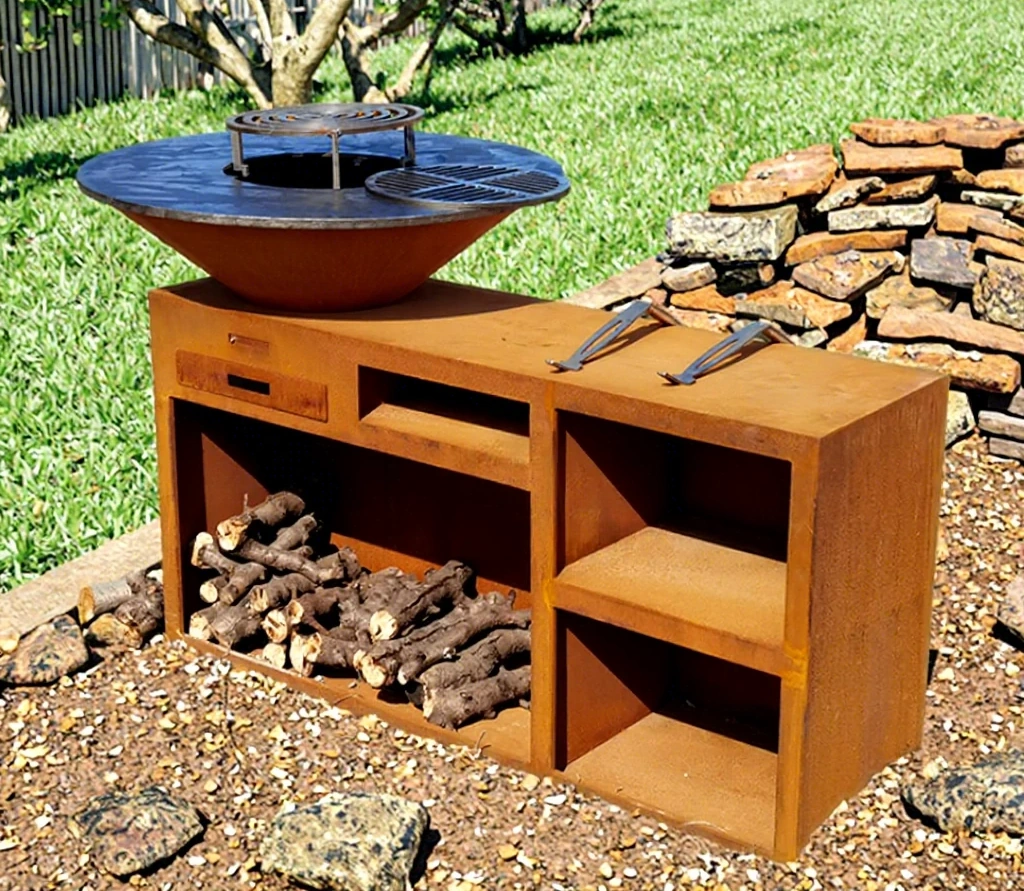
Biophilic design has moved from niche philosophy to mainstream architectural practice, and weathering steel sits at the intersection of two of its core principles: natural materiality and the celebration of time-based change. As projects worldwide embrace designs that connect occupants with natural processes, Corten steel has become one of the most specified materials for facades, landscape features, and transitional spaces. Here is how leading practices are deploying weathering steel in 2025 and what the trajectory looks like heading into 2026.
Why Biophilic Design Favors Weathering Steel
Biophilic design theory identifies several conditions that strengthen the human-nature connection in built environments. Among these, material authenticity and dynamic change over time rank highly. Corten steel satisfies both: its surface is genuinely transformed by weather rather than artificially finished, and its appearance evolves seasonally as the patina deepens from amber to chocolate brown.
Unlike painted or powder-coated metals that degrade visually over time, weathering steel improves. This aligns with the Japanese concept of wabi-sabi that many contemporary architects reference, where imperfection and transience are valued aesthetically. The material tells a story of its environment, developing unique patina patterns based on local rainfall, humidity, and air quality.
Current Trends in Architectural Applications
Living Facades and Green Wall Frames
One of the strongest trends we are seeing in 2025 is the use of Corten steel as a structural frame for living walls and vertical gardens. The warm rust tones complement green foliage naturally, and the material requires zero maintenance even in direct contact with irrigation systems. Architects are specifying perforated Corten screens as climbing frames for vines, creating facades that blend steel geometry with organic growth patterns.
Landscape Integration and Ground-Level Transitions
The boundary between building and landscape continues to dissolve in contemporary design. Corten planters and retaining walls create clean transitions between hardscape and softscape. We are manufacturing increasing volumes of custom-radius curved planters that follow organic landscape contours rather than imposing rigid geometry.
Water Features and Sensory Gardens
Therapeutic and sensory garden design has expanded significantly, driven partly by post-pandemic wellness priorities. Corten steel water features, spillways, and reflection pools combine the visual warmth of the patina with the sound of flowing water. The material is ideal for these applications because it is inherently waterproof once the patina stabilizes, eliminating the need for sealants that could leach into planted areas.
Sustainability Credentials Driving Specification
Sustainability requirements in architectural specifications have tightened considerably. Corten steel performs well against multiple criteria:
- Longevity: 80-120 year design life without coatings or maintenance, reducing lifecycle carbon
- Recyclability: 100% recyclable at end of life with no quality degradation
- Zero VOC emissions: No paints, sealants, or chemical treatments required
- Reduced maintenance carbon: No periodic repainting means no scaffolding, no paint waste, no transport of maintenance crews
These factors make weathering steel increasingly attractive for projects targeting LEED, BREEAM, or Living Building Challenge certification. Our manufacturing process documentation supports EPD (Environmental Product Declaration) submissions for certified projects.
Regional Design Variations
The application of Corten in biophilic design varies by region and climate:
- Northern Europe and Scandinavia: Emphasis on contrast with snow and evergreen landscapes; thicker gauges for structural cladding
- Australia and Mediterranean: Perforated screens for shade and airflow; lighter gauges for fencing and privacy
- Middle East: Mashrabiya-inspired laser-cut patterns combining cultural reference with solar shading
- North America: Large-scale landscape features for corporate campuses and healthcare facilities
Specification Considerations for Designers
If you are specifying Corten steel for a biophilic design project, consider these practical factors:
- Drainage planning: Rust runoff during the first 6-18 months of patina development can stain adjacent light-colored materials. Design drainage paths accordingly.
- Proximity to planting: Weathering steel is safe for plants. The iron oxide runoff can actually benefit iron-deficient soils. However, avoid direct contact with aluminum or galvanized steel to prevent galvanic corrosion.
- Thickness selection: For purely decorative panels, 2mm is sufficient. For structural or load-bearing applications, engineer to the specific load case with appropriate corrosion allowance.
Start Your Biophilic Design Project
For designing a healing garden for a healthcare facility, a sensory courtyard for a school, or a naturalistic facade for a commercial building, our team can help translate your biophilic design intent into fabrication-ready Corten steel specifications. We work directly with architects and landscape designers from concept through installation. Request a design consultation to discuss your project requirements and receive samples of our standard and custom finishes.
Need a factory quote for Corten Steel in Biophilic Design: How Architects Are Using Weathering Steel in 2025-2026?
Send your drawings, size list, quantity and destination country. Corten Factory can support custom weathering steel fabrication, export packing and project quotation.