
Corten Steel Planter Drainage and Liner Guide

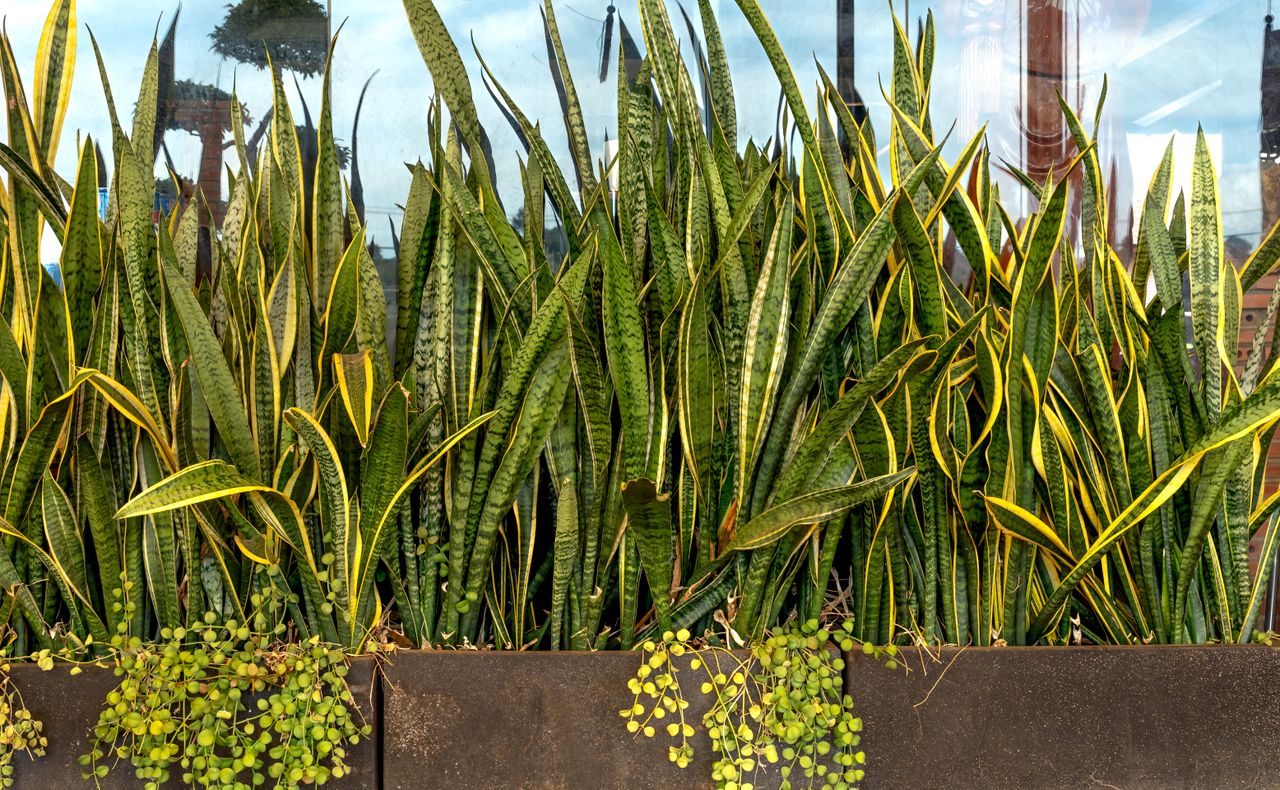
Corten steel planter drainage is one of the most important details in a commercial landscape project. The planter may look simple from the outside, but drainage holes, liner choice, soil separation, base clearance and water runoff planning can affect plant health, surface staining, corrosion risk and long-term maintenance.
This page covers how landscape contractors, garden product buyers, hotel projects and distributors can specify corten steel planter boxes, raised garden beds and custom weathering steel planters with practical drainage and liner details before requesting a quote.
Why Drainage Matters for Corten Steel Planters
Outdoor planters receive rain, irrigation water and moisture from the soil. If water cannot leave the planter, roots may suffer, soil can become heavy, and the lower part of the planter may remain wet for long periods. Corten steel is designed to form a protective rust-colored patina in suitable wet-dry cycles, but constant standing water is not a good design condition.
For B2B orders, drainage should be decided before production. Hole position, hole size, feet height, base design, liner layout and packing method can all be included in drawings so the factory can fabricate consistently across the full project quantity.

Common Drainage Options for Outdoor Planter Boxes
Bottom Drainage Holes
Bottom drainage holes are the most common solution for outdoor planters. They allow excess water to leave the soil area and reduce the risk of water collecting inside the planter. For large planters, holes should be distributed across the base instead of placed only in one corner.
Raised Feet or Base Clearance
Drainage holes work better when there is space under the planter for water to escape. Raised feet, welded pads, concealed base frames or small gaps can help keep water from being trapped between the planter and paving. This is especially useful for terraces, hotel entrances and public plazas.
Side Drainage or Overflow Openings
Some project designs use side drainage or overflow openings when the planter sits on a sensitive surface or when water needs to move in a controlled direction. The best choice depends on the site surface, irrigation system, soil depth and whether visible outlets are acceptable in the design.
Should Corten Planters Use a Liner?
A corten planter liner can help separate soil from the steel surface, manage moisture, protect waterproofing layers and make maintenance easier. Liners are often discussed for commercial projects where planters sit near paving, decking, walls or building entrances.
Common liner approaches include plastic liner sheets, geotextile fabric, inner planting tubs, waterproof membranes or a combination of layers. The liner should not block drainage holes unless the design includes a separate drainage path. If irrigation is used, the liner and drainage layer should be reviewed together.
Drainage Layer, Soil and Irrigation Planning
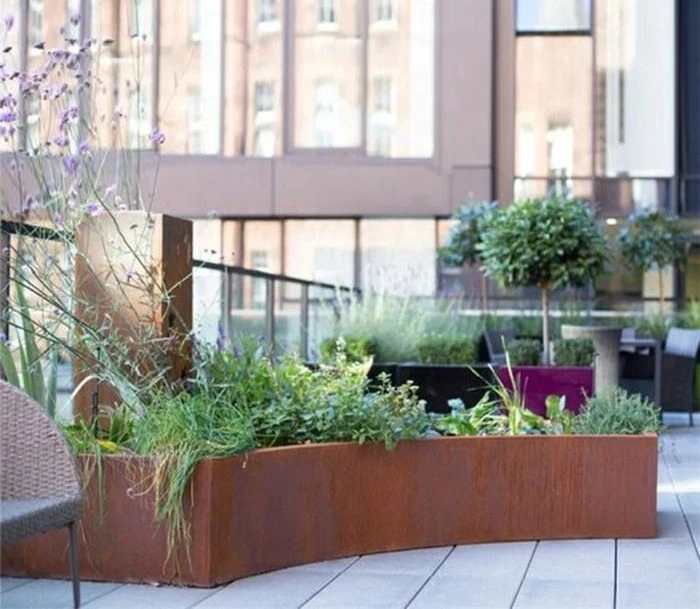
Planter drainage is more than about holes in the steel. The planting build-up may include gravel or drainage board, geotextile fabric, planting soil and irrigation lines. If the soil mix is too dense or the drainage layer is missing, water may still remain in the planter even when holes are present.
For repeated commercial orders, ask the landscape designer or contractor to define the planting build-up and expected water flow. Corten Factory can then support the steel fabrication side, including hole positions, base details, internal supports and custom dimensions through its custom corten steel fabrication process.
Preventing Runoff Stains on Paving and Decking
During the early weathering period, corten steel can release rust-colored runoff, especially after rain or irrigation. This is normal for weathering steel, but it should be planned carefully when planters are installed on pale stone, concrete, timber decking or finished paving.
Project teams can reduce problems by using raised bases, gravel strips, drainage trays, controlled outlets or installation zones where runoff will not affect the final appearance. For broader weathering expectations, see our guide on how long corten steel takes to rust.
Drainage Details to Put on a Planter Drawing
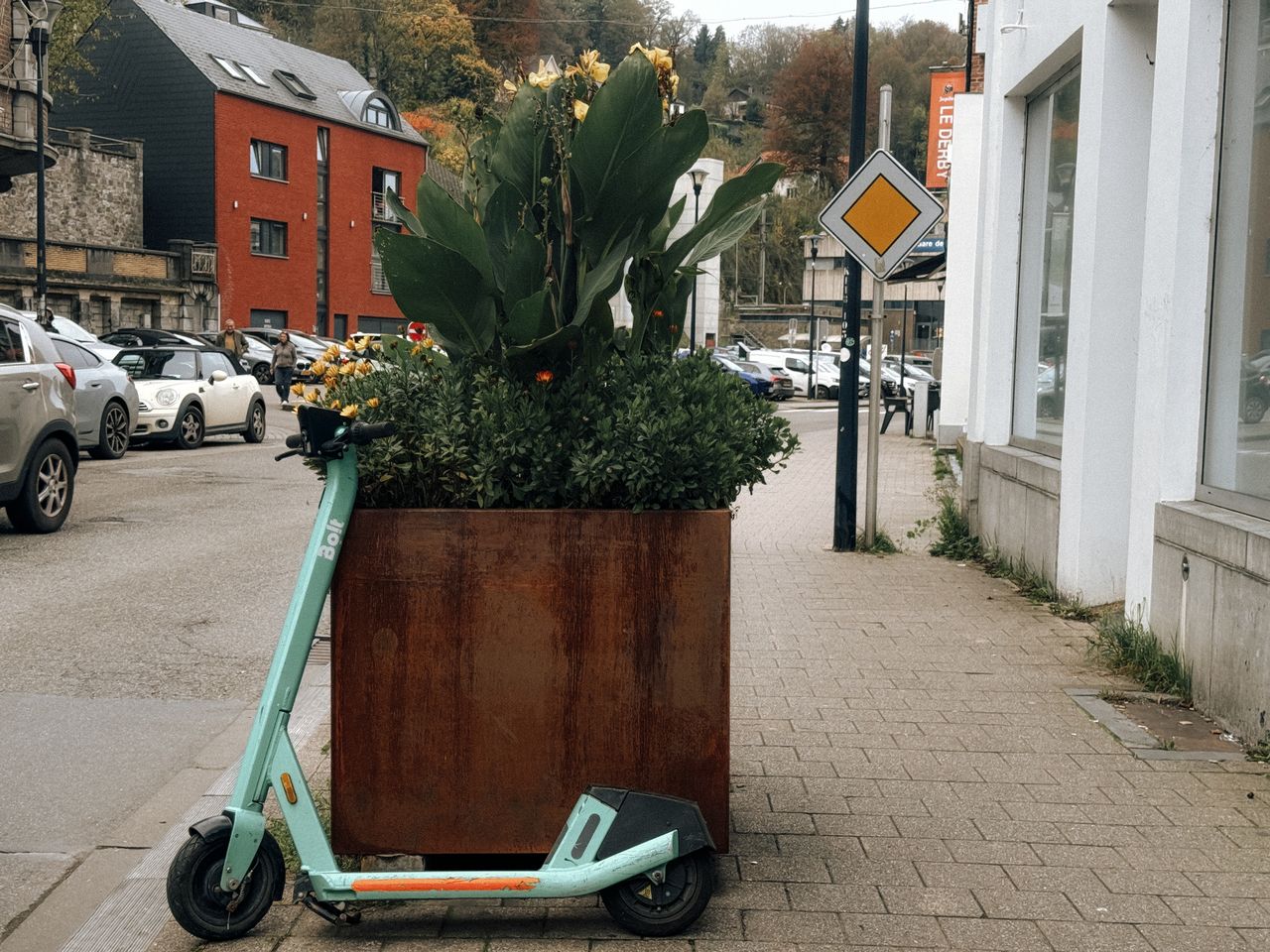
For custom planters, the drainage specification should be visible in the drawing or RFQ notes. Useful details include:
- overall planter size, soil depth and estimated planting load;
- quantity, shape and position of drainage holes;
- whether holes need mesh, geotextile separation or removable plugs;
- raised feet, base frame or ground clearance height;
- liner material, inner tub requirement or waterproof membrane notes;
- irrigation pipe openings, overflow outlet direction and maintenance access;
- installation surface: soil, gravel, concrete, stone paving, decking or roof terrace;
- packing requirements for export or multi-site delivery.
Clear drawings help the supplier estimate fabrication time, avoid rework and keep drainage details consistent across the full order. For related landscape products, buyers can also review flower pots and planters or corten steel landscape edging for coordinated project packages.
FAQ
Do corten steel planters need drainage holes?
Most outdoor corten steel planters should include drainage holes or another planned drainage path. Without drainage, water can collect in the soil area and create poor planting conditions.
Should a corten planter have a liner?
A liner is often useful for commercial planters, especially near paving, decking or building entrances. The liner should separate soil and moisture while still allowing water to reach the drainage path.
What liner material is best for corten planters?
The best liner depends on the planting design, irrigation system and maintenance plan. Plastic liner sheets, geotextile fabric, inner tubs and waterproof membranes can all be used in different project conditions.
Can drainage holes be customized from drawings?
Yes. Drainage hole size, quantity, position, overflow outlets, feet height and liner details can be customized from drawings for project orders.
How can buyers reduce rust runoff stains?
Use raised bases, drainage trays, gravel strips or controlled outlet directions, and avoid placing early-weathering planters directly on sensitive pale surfaces without runoff planning.
Send Drainage and Liner Requirements for a Quote
Need custom corten steel planter boxes, raised garden beds or planter packages with specific drainage holes, liners, feet, irrigation openings or export packing? Send your dimensions, drawings, quantity and project notes. Corten Factory can review the planter structure, drainage details, liner requirements, QC and packing for your quotation.
Need a factory quote for Corten Steel Planter Drainage and Liner Guide?
Send your drawings, size list, quantity and destination country. Corten Factory can support custom weathering steel fabrication, export packing and project quotation.