
Germany Corten Steel Facade Panels and Privacy Screens for Urban Courtyards

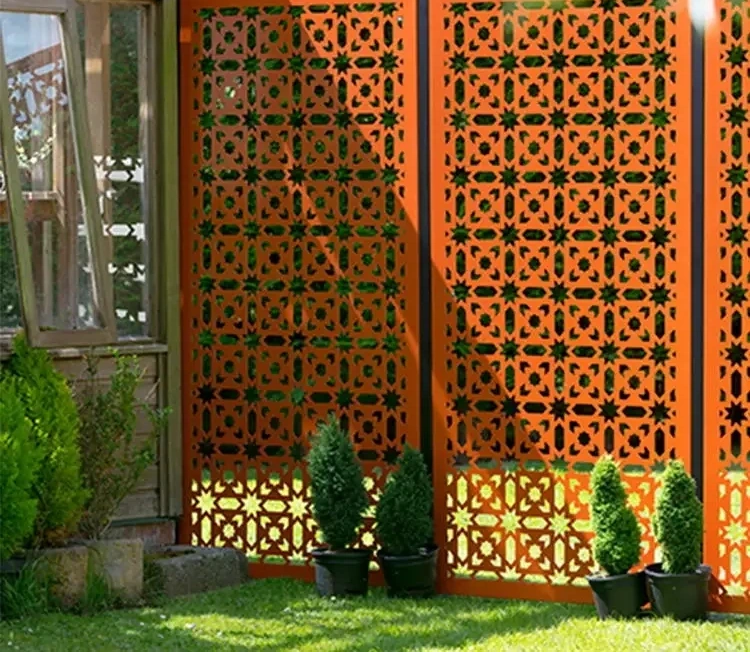
German architects often specify weathering steel when a courtyard, school, office campus, transport node, or housing development needs a durable surface with a strong but natural tone. Corten steel facade panels and privacy screens can work well in Berlin, Hamburg, Munich, Cologne, Frankfurt, and smaller city regeneration schemes, but the material should be detailed with German weather, building physics, fire strategy, drainage, and maintenance access in mind. This article is written for architects, facade consultants, contractors, and procurement managers who need a practical specification path rather than a mood-board description.
For product context, see our UK Corten steel facade panel page, our Germany Corten landscape edging guide, our custom Corten sculpture and signage buyer guide, and our water feature drainage guide. External references for project teams include DIN, the European Commission Eurocodes portal, and Germany’s Federal Environment Agency for environmental context.
Why German projects use weathering steel on facades and screens
Weathering steel offers a mineral surface that sits comfortably beside brick, exposed concrete, timber, planting, and dark window frames. In dense German urban blocks, it is often used for courtyard privacy screens, bicycle store fronts, refuse enclosure panels, school boundary features, balcony privacy fins, wayfinding walls, and rainscreen cladding on cultural or commercial buildings. The material has enough stiffness for perforated panels and folded cassette forms, while the patina reduces the need for painted maintenance cycles when detailed correctly.
The main design question is not whether Corten looks good on day one. It is whether the assembly lets the steel dry, whether runoff is controlled, whether the subframe is isolated, whether fire and wind requirements are met, and whether the client understands the changing color. In German climates, repeated rain and cool seasons can create a good patina, but shaded north-facing courtyards may stay damp for too long. That is where detailing separates a successful facade from a staining problem.
Panel and screen specification table
| Element | Typical thickness | Format | Fixing approach | German project note |
|---|---|---|---|---|
| Flat rainscreen panel | 2.0-3.0 mm | 600-1200 mm wide modules | Secret clips or visible stainless fasteners | Ventilated cavity and drip control are critical. |
| Folded cassette panel | 2.0-4.0 mm | Custom cassette depth 25-60 mm | Aluminum or galvanized subframe with isolation pads | Check wind load, thermal movement, and replaceability. |
| Laser-cut privacy screen | 3.0-6.0 mm | Freestanding or frame-mounted | Bolted to steel posts or frames | Open area affects wind load and privacy. |
| Balcony privacy fin | 4.0-8.0 mm | Vertical fin or perforated plate | Engineered brackets | Coordinate with guardrail safety and fire strategy. |
| Courtyard gate or service enclosure | 3.0-5.0 mm | Hinged or sliding frames | Welded frame, adjustable hinges | Allow access width for bins, bicycles, and maintenance. |
Material grade and surface preparation
Common project language includes EN 10025-5 grades such as S355J2W or S355J0WP, or comparable ASTM weathering steel grades when importing fabricated parts. The selected grade should match the structural role. A decorative screen can use a different grade and thickness than a load-bearing bracket or large wind-loaded cassette. Designers should avoid vague wording such as “rusted metal panel” because it invites substitution with mild steel, paint effects, or thin sheet that cannot hold shape.
Surface preparation must remove mill scale, oil, laser cutting residue, and welding contamination. If panels are supplied raw, the first months on site will show orange runoff. If panels are supplied pre-weathered, the tone will be more controlled at handover, yet still not fixed. Ask the factory for a sample panel and a written description of cleaning, activation, neutralization, and packing. Do not pack damp pre-weathered panels face-to-face without separators, because marks may transfer during freight.
Facade physics: ventilation, water, and movement
A weathering steel facade should usually be treated as a drained and ventilated rainscreen. The cavity allows the back of the panel to dry and reduces staining at the support line. Drips should fall away from light render, pale stone, aluminum sills, and entrance paving. Horizontal ledges need a slope or fold so water cannot sit. Where panels meet windows, keep the weathering steel runoff path separate from drainage holes and sealant joints.
Thermal movement should be built into slots and joint widths. Germany has cold winters, warm summers, and facade surfaces that can heat in direct sun. Long Corten panels without movement allowance can oil-can, bind at fixings, or transfer stress into the subframe. Use fixed and sliding points, avoid over-tightening, and make sure installers understand which holes are slotted for movement rather than alignment errors.
Privacy screens in courtyards and public realm
Corten privacy screens are common around ground-floor terraces, refuse stores, bicycle parking, hotel gardens, and restaurant yards. The design must balance privacy, wind load, daylight, and maintenance access. A dense laser-cut pattern may look attractive, but it can behave like a sail in an exposed courtyard. A very open pattern reduces wind load but may fail the privacy goal. The best approach is to set a target open-area percentage during design and keep that percentage in the engineering check.
| Open area | Privacy effect | Wind behavior | Typical use |
|---|---|---|---|
| 10-20% | High privacy | High wind load | Refuse enclosures, service yards, small protected screens. |
| 25-40% | Balanced privacy | Moderate wind load | Residential courtyards, hotel terraces, bicycle stores. |
| 45-60% | Filtered view | Lower wind load | Decorative boundaries, planting screens, public art walls. |
| Above 60% | Light visual filter | Lowest load | Facade overlays and tree-guard style panels. |
Fire, access, and regulatory coordination
Weathering steel itself is non-combustible, but the finished assembly may include insulation, membranes, coatings, gaskets, or subframes that affect fire classification. On German buildings, facade consultants and fire engineers should review the entire wall build-up, more than the outer metal face. Screen walls near exits, fire brigade access routes, refuse rooms, and balconies need early coordination so the Corten element does not block required access or create a maintenance hazard.
Where a screen forms part of a guard, barrier, or balcony enclosure, structural and safety requirements take priority over visual design. Confirm opening sizes, climbability, load resistance, edge sharpness, and handrail interfaces. Laser-cut artwork should not create finger traps or weak strips at fixing zones. For schools and public buildings, use rounded corners, deburred cut-outs, and tamper-resistant fixings.
Cost and specification comparison
| Scope | Main cost drivers | Risk if underspecified | Procurement advice |
|---|---|---|---|
| Flat facade panels | Thickness, module size, subframe, finish | Wavy panels, staining, visible misalignment | Request shop drawings and sample installation detail. |
| Folded cassettes | Bending accuracy, return depth, corner welds | Poor joint lines and trapped water | Approve one trial cassette before batch production. |
| Laser-cut screens | Pattern density, cutting time, frame design | Distortion, sharp edges, wind issues | Send vector artwork and ask for open-area calculation. |
| Freestanding courtyard screens | Posts, base plates, anchors, engineering | Movement in wind and hard-to-align panels | Coordinate anchor design with paving build-up. |
| Gates and service enclosures | Frames, hinges, locks, alignment | Sagging leaves and noisy operation | Specify adjustable hinges and site tolerance. |
Installation details German contractors should confirm
- Check the substructure material and isolate weathering steel from aluminum or zinc-coated parts where water can bridge the joint.
- Keep panel joints open enough for drainage, ventilation, and movement; do not seal every joint unless the system has a tested drainage path.
- Use stainless steel fasteners with suitable washers, and avoid grinding residue from carbon steel tools on finished faces.
- Protect light paving and render during the first weathering season with temporary sheeting or a planned cleaning method.
- Set out screen posts from survey data, not only from architectural drawings, because courtyard paving falls and drainage channels often shift final levels.
- Store panels upright with spacers and airflow. Do not leave them wet under plastic wrapping after delivery.
Local climate and urban conditions
Hamburg and Bremen projects may face more wind-driven rain and marine influence than inland city sites. Munich and southern German projects can combine freeze-thaw cycles with strong summer sun on exposed elevations. Berlin courtyards often have shaded walls and limited airflow. Each condition changes the patina pace. A facade sample left on the actual site for a few weeks gives more useful feedback than a brochure photograph from a different climate.
Pollution and de-icing salts can also affect the surface. Avoid placing weathering steel panels directly above pale porous paving where winter maintenance salts and oxide runoff may mix. For public plazas, choose darker stone bands, gravel margins, stainless drip trays, or raised plinths where early runoff is expected. Maintenance teams should understand that pressure washing can reset parts of the patina if used aggressively.
Project applications in Germany
Housing courtyards
Corten screens can separate private terraces from common paths while matching brick and planting. Use moderate perforation, planter bases, and clear access to drains.
Office and campus facades
Folded panels create depth without paint maintenance. Coordinate module widths with window grids and maintenance cradle access.
Bicycle and refuse enclosures
Weathering steel hides service functions in a durable way. Specify frames that resist impact from bins and bikes.
Schools and cultural buildings
Laser-cut panels can carry local patterns or wayfinding. Deburr all edges and avoid climbable openings.
Rail and transit edges
The material suits heavy public use, but runoff and graffiti cleaning plans need approval before installation.
Drawing review checklist for procurement teams
A drawing review should be held before the purchase order is released. The review is not only an architectural sign-off; it is a practical check of what the factory will cut, bend, weld, pack, and label. Ask the supplier to mark each module with an item code that appears on the plan, elevation, packing list, and installation sequence. This small administrative step saves hours on site, especially when several similar pieces have different hole positions or handed corners.
- Confirm all dimensions are in millimeters and that tolerances are written beside the critical dimensions.
- Identify visible faces, hidden faces, drainage faces, and faces that must not receive handling marks.
- Show every joint: butt joint, lap joint, splice plate, corner fold, welded corner, and field-cut end.
- State whether holes are for fixing, drainage, lifting, irrigation, lighting, or later access.
- Mark any parts that must be packed last because they are installed first.
Factory inspection points
Factory inspection does not need to be complicated, but it should be consistent. For B2B buyers, a photo record is often enough for standard orders, while larger civic or hotel projects may need a third-party inspection. The key is to inspect before packing, because correcting a missing drain hole or wrong bracket after sea freight is costly. Require photos of measuring tools on the steel thickness, trial assembly of corners, close-ups of welds, and labels on each module.
Tolerance should be realistic. Weathering steel products for landscapes and facades are fabricated items, not machined instruments. The specification should separate critical tolerances, such as joint alignment and fixing hole position, from less critical tolerances, such as hidden return dimensions. This makes quality control fair and prevents arguments about details that do not affect the finished work.
Maintenance plan after handover
The handover pack should explain that weathering steel changes color. Facilities teams should know what normal early orange runoff looks like, how to clean adjacent paving, and which chemicals to avoid. Acid cleaners, aggressive pressure washing, and chlorine-rich wash water can damage the surface or create uneven marks. Routine maintenance is usually simple: remove leaves and soil build-up, keep drains open, rinse salt or fertilizer deposits, and inspect fixings during scheduled site visits.
If the project uses irrigation, direct spray heads away from one-sided constant wetting. Drip irrigation is often better than overspray because it reduces marks on visible steel faces. Where planting grows over the steel, trim it enough to allow air movement. Patina quality improves when the surface can dry after rain.
Sustainability and service life notes
Weathering steel has a strong sustainability argument when the design avoids repeated repainting and premature replacement. The steel is recyclable, durable, and suited to modular fabrication. The environmental benefit depends on correct detailing: a part that fails early because it stayed wet is not sustainable. Buyers should ask for sensible thickness, replaceable modules in high-risk areas, and clear maintenance instructions rather than simply asking for the thinnest possible sheet.
Commercial tender notes
Tender packages for weathering steel should make comparison easy. Ask every bidder to price the same drawings, same material grade, same surface treatment, same crate limits, and same inspection record. If one bidder includes shop drawings, trial assembly, pre-weathering, spare fixings, and export packing while another bidder prices bare fabricated metal, the totals are not equal. Procurement managers should build a bid tab that separates material, fabrication, finish, packing, freight, documentation, and optional site support.
Payment terms should reflect project risk. A common structure is deposit at order, balance after pre-shipment inspection, and freight arranged after approval. For custom public realm work, retain clear approval gates: drawing approval, sample approval, production start, pre-packing inspection, and delivery document check. This protects both sides and reduces late design changes.
Risk register for designers and contractors
| Risk | Likely cause | Control measure |
|---|---|---|
| Paving stains | Early oxide runoff onto pale porous surfaces | Add drip edges, gravel bands, dark stone margins, or temporary protection. |
| Uneven color | One-sided irrigation, shaded damp zones, or contact with wet packaging | Balance wetting, improve airflow, open crates after arrival, and avoid trapped moisture. |
| Panel distortion | Thin sheet, large flat panels, heat from welding, or poor fixing layout | Use folded returns, ribs, thicker steel, and movement slots. |
| Delayed installation | Unclear shop drawings or crates not sorted by zone | Approve coded drawings and require matching crate labels. |
| Maintenance complaints | Facilities team not briefed on normal weathering behavior | Provide handover notes with cleaning limits and inspection schedule. |
How to brief the supplier
A strong inquiry includes site location, product type, intended exposure, drawings, target finish, order quantity, packing limits, delivery deadline, and inspection requirements. If the product will sit near pools, seawater, de-icing salts, food service areas, children, or accessible routes, say so at the start. The supplier can then adjust grade, thickness, edge finishing, liners, brackets, or packing before price is fixed.
Photos of the site are useful even when drawings are complete. They show surrounding paving, drainage points, access roads, lifts, nearby walls, and crane limits. For replacement work, send photos of the existing failed detail so the new Corten element does not repeat the same problem. For rollout work across several sites, identify which details are standard and which need local adaptation.
Documentation to request with delivery
- Commercial invoice and packing list with item codes that match the drawings.
- Material certificate or grade declaration for the weathering steel used in the order.
- Photo record of fabrication, surface preparation, and packing.
- Installation notes covering lifting, fixing, drainage, and protection of adjacent finishes.
- Maintenance notes for early weathering, cleaning, and inspection.
- Spare fastener list and any recommended replacement part numbers.
Mock-up approval
A mock-up is the safest way to align expectations. It can be a full corner, a short run of edging, one facade cassette, one screen bay, or a planter section. The mock-up should show the real thickness, top edge, weld treatment, fixing method, drainage detail, and early patina. Approve it under daylight and photograph it with a date. The record helps the client understand that weathering steel is a living surface, not a painted RAL color.
For large orders, keep the approved sample until the final shipment is accepted. If a dispute arises over color, weld grinding, corner radius, or cut-out quality, the sample gives the project team a fair reference. Samples should not be stored under wet plastic or in direct contact with soil, because that would create a false surface compared with the installed product.
Coordination with other trades
Weathering steel packages touch many trades. Irrigation teams affect wetting patterns, paving teams control runoff channels, electricians may need sleeves for lighting, waterproofing teams protect roof slabs, and cleaners inherit the finished surface. A coordination meeting before fabrication should list every penetration, bracket, sleeve, drain, access cover, and adjacent finish. This prevents site drilling through finished Corten and avoids rushed sealant work that traps moisture.
Lighting is a common example. Designers may want LED strips behind screens or under planter lips, but cable routes, heat, maintenance access, and water ingress must be planned. If the factory knows the lighting layout, it can provide folded channels, removable covers, or protected holes. If the electrician cuts holes on site, burrs and exposed raw edges may stain unevenly and void the agreed finish standard.
Receiving inspection on site
When crates arrive, the site team should check labels, count modules, inspect visible damage, and photograph the delivery before moving items. Any wet wrapping should be opened enough to allow air movement. Long panels and edging strips should be supported along their length, not lifted from one end. If parts will be stored for more than a few days, keep them off soil, away from cement dust, and separated with clean spacers.
The first installation day should include one trial area. Set a short run or one bay, check alignment, verify fixings, test drainage, and ask the designer or clerk of works to approve it. After that, the crew can repeat the method with fewer mistakes. This simple pause is cheaper than correcting a long misaligned run after planting or paving is complete.
Final pre-order meeting agenda
Before issuing the order, hold a short meeting with the architect, contractor, procurement manager, and supplier. Confirm the drawings, exposed faces, finish expectation, installation sequence, storage location, and cleaning responsibility. Record who approves small changes if site dimensions differ from drawings. A clear agenda reduces rushed emails once steel has already been cut.
Spare parts and future replacement
For public or hospitality projects, include spare parts in the first order. A few extra stakes, brackets, bolts, cover plates, or short modules are inexpensive compared with a later one-off fabrication run. Spare parts should be labelled and stored with the maintenance team, not left unmarked in a contractor container. If the product is custom perforated or curved, keep the cutting files and approved drawings in the owner manual so a replacement can be made years later without redesign.
Replacement planning is also a design issue. A screen bay should be removable without taking down the entire fence. A planter liner should be reachable without destroying the outer shell. A water feature pump should be replaceable without lifting stone paving. These access details rarely appear in marketing images, but they decide whether the installation remains attractive after several seasons of real use.
Communication with the end client
Clients sometimes expect Corten to arrive as an even dark brown surface. The project team should explain that the first stage may be bright orange, then mottled, then more stable. This change is normal when the steel is exposed to rain and air. Showing dated sample photos is better than promising an exact color. If the opening date is important, consider factory pre-weathering and temporary protection of adjacent finishes during the first rainy period.
The end client also needs plain cleaning rules. Do not use acid stone cleaner on adjacent paving and let it run onto the steel. Do not leave fertilizer bags, wet cardboard, or chloride cleaning solution against the surface. Do not paint small scratches unless the specification calls for a coated system; minor marks often blend as the patina develops. Simple rules avoid many avoidable complaints.
Common Buyer Questions
Will weathering steel stain paving during the first season in Germany?
Yes, runoff can carry iron oxide until the patina tightens. For Corten steel facade panels and privacy screens, specify a gravel maintenance strip, hidden drip edge, or darker sacrificial paving where early runoff may occur. On light limestone, pale concrete, porous sandstone, and rendered walls, ask for mock-up weathering and keep a wash-down allowance in the method statement.
Should panels or planters arrive pre-weathered?
Factory pre-weathering gives a more even starting tone and lets the buyer inspect welds, folded corners, drain holes, and fixing slots before packing. It does not replace on-site weathering. The surface will continue to change after installation, so sample approval should describe a color range rather than one fixed shade.
What information should a purchase order include?
List grade, thickness, finish, drawing revision, tolerances, weld standard, packing method, Incoterms, requested inspection photos, spare parts, and the exact site contact. For repeat rollouts, add a numbered tag plan so crates match the installation zones.
Can Corten be used near stainless steel, aluminum, or timber?
Yes, but isolate mixed metals with EPDM, nylon washers, or coated brackets. Leave timber with ventilation gaps, because trapped dampness slows patina formation and can mark softwood. Stainless fasteners are common, yet the washer system should prevent galvanic staining at slots and bolt holes.
How early should procurement start?
For a small batch of standard edging, six to eight weeks can work when drawings are clean. For custom laser-cut screens, large planters, curved edges, water trays, or facade panels, allow ten to sixteen weeks including shop drawings, sample approval, fabrication, weathering time, packing, sea freight, customs, and local delivery booking.
Clear purchasing advice
For German facade panels and courtyard screens, buy the full assembly logic, more than sheet metal. Confirm grade, thickness, subframe, isolation, ventilation, joint widths, drainage, pattern open area, fasteners, and sample weathering. Use 2.0-3.0 mm for many rainscreen panels, 3.0-6.0 mm for screen plates, and thicker engineered members where panels act as fins or barriers. Ask for shop drawings, wind assumptions, packing photos, and installation notes before production. The best result is a controlled patina, clean runoff path, and a panel system that can be inspected and replaced without dismantling the whole courtyard.
Related resources:
Need a factory quote for Germany Corten Steel Facade Panels and Privacy Screens for Urban Courtyards?
Send your drawings, size list, quantity and destination country. Corten Factory can support custom weathering steel fabrication, export packing and project quotation.