
How to Prevent Corten Steel Rust Staining on Concrete: Proven Methods for Architects and Installers

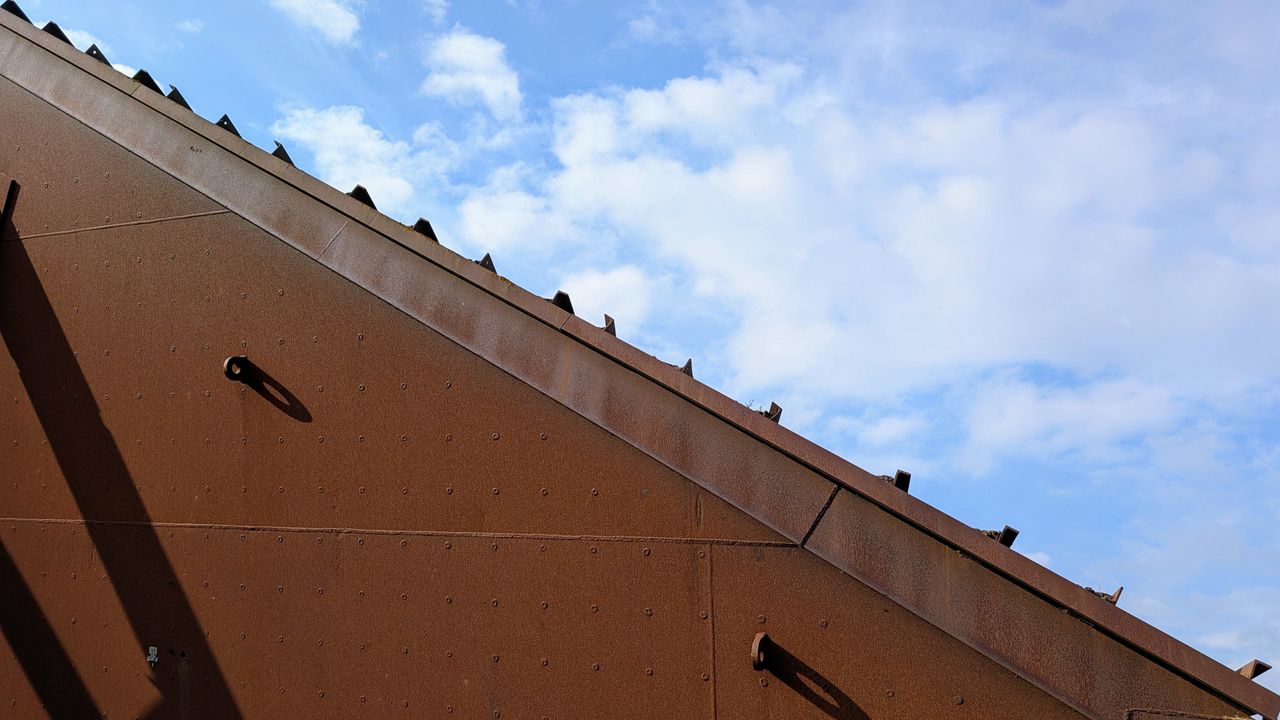
One of the most common concerns when specifying corten steel in architectural applications is rust staining on adjacent surfaces. The characteristic orange-brown patina that makes weathering steel visually striking can leave unwanted marks on concrete, stone, and light-colored materials during the initial weathering phase.
Understanding the Staining Mechanism
Corten steel staining occurs primarily during the first 12-18 months of exposure, when the protective oxide layer is still forming. Rainwater dissolves loose iron particles from the surface and carries them onto adjacent materials. Once the patina stabilizes, runoff diminishes significantly but never completely stops in high-rainfall environments.
Prevention Strategy 1: Physical Barriers
The most reliable prevention method is eliminating direct contact between corten runoff and vulnerable surfaces:
- Gravel strips: A 200-300mm gravel margin around corten elements absorbs runoff before it reaches paving
- Drip edges: Fabricating a 10mm inward fold at the base directs water back under the element
- Raised mounting: Elevating corten pieces on stainless steel pins creates an air gap that breaks the water path
- Planting zones: Low groundcover plants between corten and paving act as natural filters
Prevention Strategy 2: Surface Treatments
Applying treatments to either the corten steel or the receiving surface can reduce staining:
On the steel: Clear penetrating sealers (not film-forming coatings) can slow the initial oxidation rate and reduce particle release. These typically last 2-3 years before reapplication. Note that sealers alter the natural patina development and may create an uneven appearance.
On the concrete: Impregnating sealers applied to adjacent concrete create a hydrophobic barrier that prevents iron oxide from penetrating the pore structure. Sealed concrete can be cleaned of surface staining with standard pressure washing.
Prevention Strategy 3: Accelerated Weathering
Pre-weathering corten steel before installation dramatically reduces on-site staining. Factory-applied accelerated patina treatments use acid solutions to develop the oxide layer in controlled conditions. The resulting surface is more stable from day one, with minimal loose particles available for runoff.
This approach adds 1-2 weeks to fabrication time and approximately 15-20% to material cost, but eliminates the most problematic staining period entirely.
Remediation: Removing Existing Stains
If staining has already occurred, several remediation options exist:
- Oxalic acid: A 10% solution applied to stained concrete for 15-30 minutes dissolves iron oxide effectively. Rinse thoroughly and neutralize with baking soda solution.
- Phosphoric acid cleaners: Commercial rust removers containing phosphoric acid work well on natural stone without etching.
- Pressure washing: For surface-level staining on sealed concrete, 3000+ PSI pressure washing removes most discoloration.
- Poultice method: For deep staining in porous stone, an iron-removing poultice left overnight draws oxide from within the material.
Specification Language for Project Documents
Include the following in project specifications to manage staining expectations:
“Contractor shall provide minimum 200mm gravel margin between corten steel elements and all light-colored paving. All concrete within 500mm of corten installations shall receive impregnating sealer prior to steel installation. Contractor shall protect adjacent surfaces during initial 12-month weathering period.”
This language establishes clear responsibility and prevents disputes during the construction and defects liability period.
Need a factory quote for How to Prevent Corten Steel Rust Staining on Concrete: Proven Methods for Architects and Installers?
Send your drawings, size list, quantity and destination country. Corten Factory can support custom weathering steel fabrication, export packing and project quotation.