
Corten Steel Raised Garden Beds: Why Landscape Architects Specify Weathering Steel for Edible Gardens

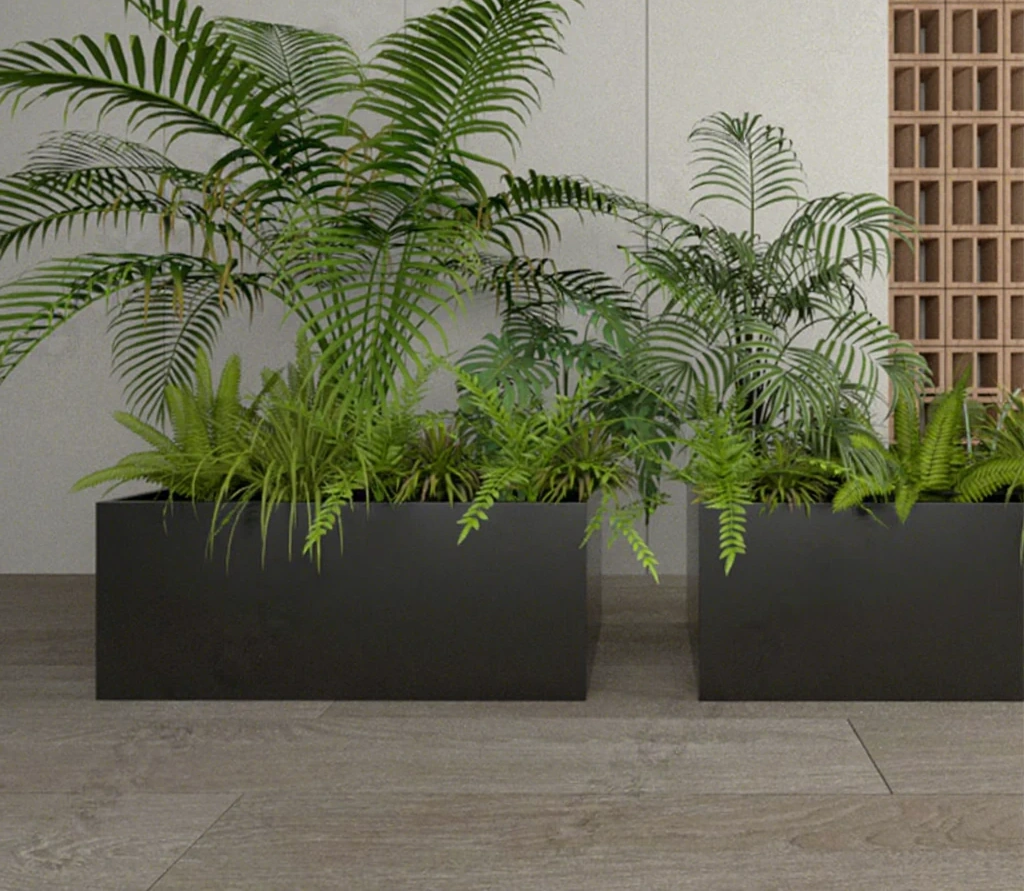
Raised garden beds have evolved from simple wooden frames to architectural features that define outdoor spaces. Among the materials gaining rapid adoption in commercial and residential landscape projects, corten steel stands out for its unique combination of durability, aesthetics, and food-safe properties.
Why Corten Steel for Raised Beds?
Unlike treated timber that leaches chemicals into soil, or galvanized steel that degrades over time, corten steel forms a stable oxide layer that actually protects the underlying metal. This self-healing patina means zero maintenance and a lifespan exceeding 50 years in most climates.
For edible gardens specifically, the iron oxide that forms on corten surfaces is chemically inert and does not contaminate soil. Multiple independent studies confirm that weathering steel planters produce no measurable increase in heavy metal content in adjacent growing media.
Design Considerations for Specifiers
When specifying corten raised beds for commercial projects, consider these factors:
- Wall thickness: 2mm minimum for beds under 600mm height; 3mm for taller installations to resist soil pressure
- Drainage: Pre-punched drainage holes at 300mm centers along the base prevent waterlogging
- Corner joints: Continuous welded corners with ground-flush finish eliminate sharp edges in public spaces
- Base options: Open-bottom for in-ground integration, or sealed base with drainage layer for rooftop installations
Standard Sizes vs Custom Fabrication
Most manufacturers offer standard modules in 1000mm, 1500mm, and 2000mm lengths with heights from 400mm to 800mm. These modular units can be arranged in L-shapes, U-configurations, or linear runs to suit any layout.
For bespoke projects, custom fabrication allows curved profiles, integrated seating edges, built-in irrigation channels, and tiered configurations. Lead times for custom work typically run 4-6 weeks from approved drawings.
Installation Best Practices
Corten raised beds should be installed on a level, compacted base. For permanent installations, a 50mm gravel pad provides adequate drainage and prevents direct soil contact with the base edge. Temporary installations on paved surfaces benefit from rubber feet to prevent rust staining on light-colored stone.
The initial weathering period takes 6-18 months depending on climate exposure. During this phase, orange-brown runoff may stain adjacent surfaces. Positioning beds away from light-colored paving during the first season, or applying a clear sealant to the lower 100mm, mitigates this issue.
Cost Comparison
While corten raised beds carry a higher upfront cost than timber alternatives (typically 2-3x), the total cost of ownership over a 20-year period is significantly lower. Timber beds require replacement every 5-8 years, while corten installations remain maintenance-free indefinitely. For commercial projects where ongoing maintenance budgets are a concern, the lifecycle cost advantage is compelling.
Sourcing and Lead Times
When sourcing corten raised beds for projects, request material certificates confirming the steel grade (typically S355J2WP or equivalent) and verify the manufacturer offers consistent wall thickness across production runs. Reputable suppliers provide CAD files for integration into landscape drawings and can accommodate project-specific modifications without excessive minimum order quantities.
Need a factory quote for Corten Steel Raised Garden Beds: Why Landscape Architects Specify Weathering Steel for Edible Gardens?
Send your drawings, size list, quantity and destination country. Corten Factory can support custom weathering steel fabrication, export packing and project quotation.