
Corten Steel Trough Planters: Commercial Landscape Specification Guide

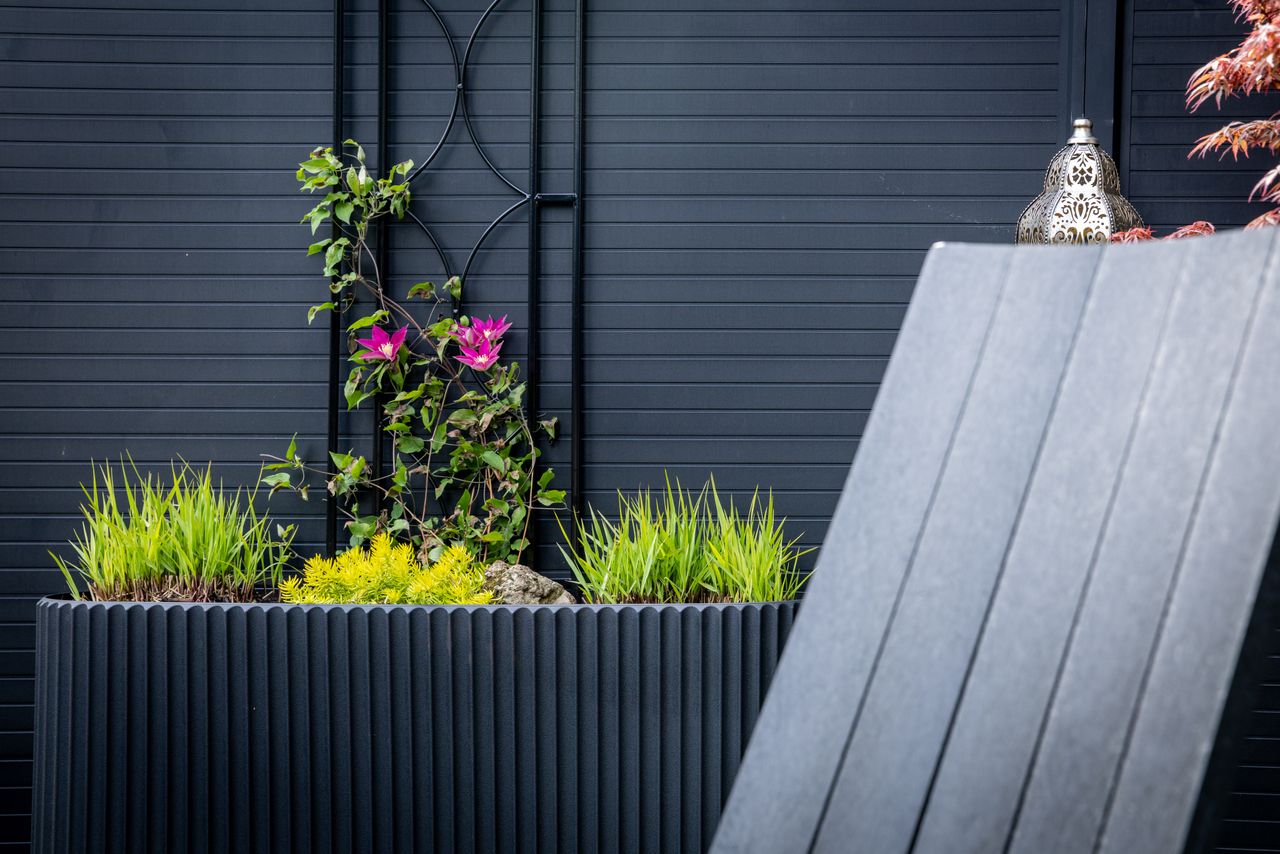
Corten steel trough planters are long, linear weathering steel planter modules used to define routes, divide terraces, frame building entrances and create planting runs in commercial landscapes. Compared with individual pots, a trough planter gives designers a stronger architectural line and more continuous soil volume for shrubs, grasses and screening plants.
For buyers, the important details are not only length and height. A successful trough planter order should define plate thickness, joint positions, drainage, liner requirements, base support, patina expectations, QC photos and export packing. The notes below cover how to prepare a practical RFQ for custom corten steel trough planter projects.
Where corten steel trough planters work best
Trough planters are useful when a project needs planting to perform as a boundary, edge or soft screen. Their long shape can guide movement without using a full fence, and the warm weathering steel finish works well with concrete, stone, timber and contemporary facade materials.
- Hotel, restaurant and resort terraces where planters separate seating zones.
- Commercial entrances and office courtyards that need long planting runs.
- Retail streets, plazas and public spaces where planters guide pedestrian flow.
- Roof gardens and podium landscapes where drainage and base protection must be coordinated early.
- Projects that combine trough planters with edging, screens, benches or custom metalwork.
Define length, height and planting intent
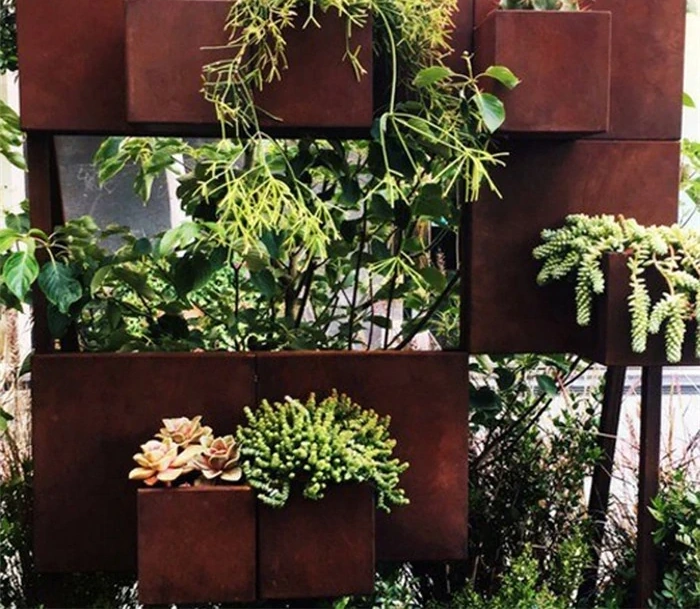
The best trough planter dimensions depend on the planting scheme, root volume, irrigation method and installation area. Very long planters may need modular sections for fabrication, shipping and site handling. If a single uninterrupted line is required, the drawing should show how sections join and how the visible seams will be treated.
Key dimensions to include in the RFQ
- Overall length, width and height, plus whether the order uses one size or mixed modules.
- Plate thickness, top-rim detail, corner radius and visible weld finish.
- Soil depth, inner liner size and planting requirements from the landscape designer.
- Section length limits, joint method and whether modules need alignment holes or connector plates.
- Quantity schedule, drawing revision, destination and unloading constraints.
For custom corten steel fabrication, drawings are much more reliable than reference photos alone. A simple plan, elevation and section can clarify rim return, base support, drainage and connection details before quotation.
Drainage, liners and runoff planning
Trough planters often hold a larger soil volume than individual pots, so drainage should be planned carefully. Water should not stay trapped against the steel, and early weathering runoff should be directed away from light paving, finished walls and sensitive roof surfaces.
- Confirm drainage-hole size, spacing and position relative to the site drainage layer.
- Discuss internal liners, geotextile layers or insulation where waterproofing or soil isolation matters.
- Use feet, spacers or a recessed base when airflow and drainage clearance are required.
- Avoid uncontrolled early runoff across pale stone, concrete, render or entrance paving.
- Ask the supplier to mark drainage and liner assumptions clearly on approved drawings.
Patina expectations and site placement
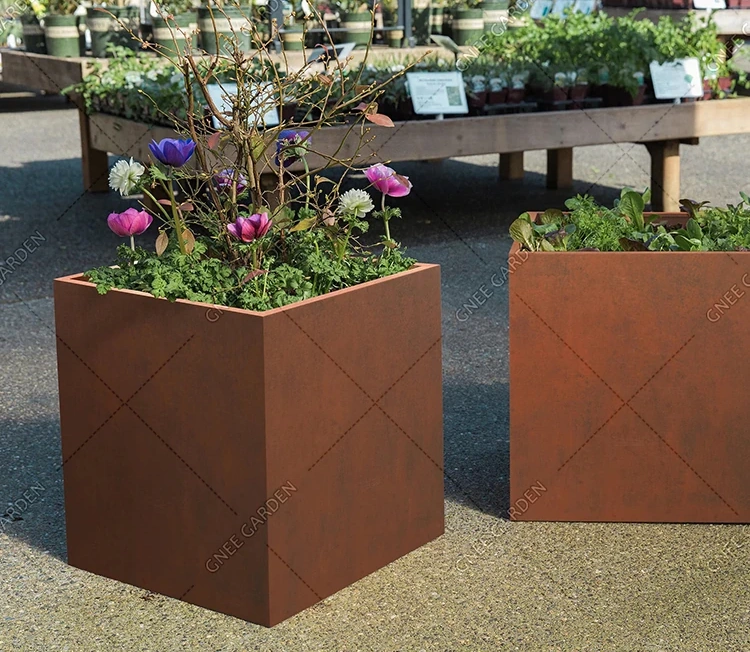
Weathering steel develops a protective rust-colored patina through wet and dry cycles. The final appearance can vary between sides exposed to sun, shade, irrigation spray and foot traffic. This is part of the material character, but project teams should set realistic expectations before delivery and installation.
- Plan for natural color variation between planter sides and between different modules.
- Allow wet surfaces to dry; constantly wet soil contact or standing water is not ideal.
- Consider pre-weathering if the project needs a more developed appearance at handover.
- Protect finished paving during early weathering where staining would be unacceptable.
- Provide maintenance notes for contractors, facility teams and landscape maintenance crews.
Fabrication details that affect quality and cost
A trough planter looks simple, but long panels can move during cutting, bending, welding and shipping. Good detailing helps control distortion, simplify packing and produce a cleaner installed line.
Useful fabrication details to confirm
- Recommended plate thickness for the selected length, height and panel span.
- Internal reinforcement, folded top rim, base frame or stiffener requirements.
- Corner treatment, weld grinding level and whether all faces are visible after installation.
- Modular joint method for long runs: butt joint, overlap, connector plate or site-fixed bracket.
- QC photos before packing, including dimensions, drainage holes, welds and visible finish.
How trough planters fit into a larger corten package
Many commercial projects source trough planters together with square planters, round planters, landscape edging, laser cut screens, planter benches or other custom corten products. Coordinating these items in one package can make finish expectations, drawing reviews, QC documentation and export packing more consistent.
For related options, review corten steel planter boxes, flower pots and planters, landscape edging and laser cut corten screens. For custom work, see CortenFactory customization, the fabrication buyer checklist, the planter drainage and liner guide and the export packing guide.
RFQ checklist for corten steel trough planters
- Project type, application area, outdoor exposure and delivery destination.
- Planter length, width, height, quantity and drawing revision.
- Plate thickness, rim detail, visible weld finish, base design and reinforcement requirement.
- Drainage holes, liner details, irrigation coordination and runoff-control requirements.
- Finish expectation, QC photo requests, packing method, labeling and unloading constraints.
FAQ: corten steel trough planters
Can CortenFactory make trough planters to custom lengths?
Yes. Custom lengths, widths, heights, rim styles, drainage layouts and modular section designs can be reviewed from drawings, sketches and quantity schedules.
Are corten steel trough planters suitable for commercial terraces?
Yes. They are commonly used on hotel terraces, restaurant patios, office courtyards, roof gardens and public landscapes. Drainage, base clearance and loading should be coordinated with the project team.
Do long trough planters need internal reinforcement?
Often, yes. Reinforcement depends on length, height, plate thickness, soil load and visible-face requirements. Drawings help the fabricator recommend practical stiffeners or modular sections.
Will trough planters stain paving during weathering?
Early weathering runoff can stain light paving or walls. Plan drainage direction, base spacing and temporary protection carefully, especially near entrances and pale stone finishes.
What information is needed for a trough planter quotation?
Send dimensions, drawings, quantities, thickness, rim and base details, drainage or liner requirements, finish expectations, packing needs and delivery destination.
CTA: send trough planter drawings for review
Need corten steel trough planters for a hotel terrace, office courtyard, public plaza or commercial landscape package? Send dimensions, drawings, quantities and drainage requirements to CortenFactory. The team can review fabrication feasibility and prepare a practical project quotation.
Need a factory quote for Corten Steel Trough Planters: Commercial Landscape Specification Guide?
Send your drawings, size list, quantity and destination country. Corten Factory can support custom weathering steel fabrication, export packing and project quotation.