
Canada Corten Steel Raised Garden Beds and Planters: Freeze-Thaw Specification for Municipal and Commercial Landscapes

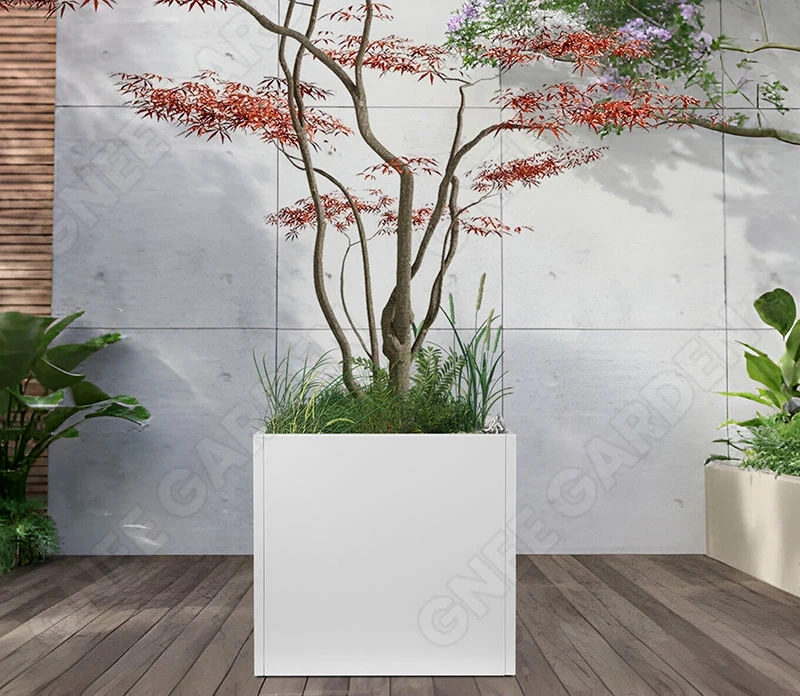
Canadian landscape projects put raised beds and planter boxes through a hard service cycle: winter freeze-thaw, snow storage, de-icing salt, spring meltwater, summer irrigation, and maintenance equipment. Corten steel raised garden beds can work very well in Toronto streetscapes, Vancouver mixed-use courtyards, Calgary rooftop amenities, Ottawa public plazas, Montreal hospitality terraces, and prairie community gardens, but only when the specification matches the climate and the installation method. This guide is for landscape architects, municipal buyers, contractors, and purchasing teams comparing weathering steel planter systems for commercial and civic work in Canada.
Related product and reference pages include our Canada planter and raised bed guide, Corten steel planter boxes category, landscape edging category, and custom fabrication service. For codes and standards context, Canadian teams may check Codes Canada, CSA Group standards, and Transport Canada container guidance when planning freight and site handling for large metal components.
Why Corten raised beds are specified in Canada
Weathering steel suits Canadian public landscapes because it gives strong edges, a long service life, and a finish that pairs well with native grasses, stone, timber, concrete, and brick. Raised beds also help solve soil depth limits on urban sites. They can lift planting above contaminated ground, protect roots from compacted pedestrian areas, and create accessible gardening zones. In retail and hospitality projects, Corten planters define terraces without looking temporary. In municipal work, they can replace timber boxes that split, rot, or get damaged by snow clearing.
The main design question is moisture control. Weathering steel performs best when surfaces dry after wetting. Canadian beds can hold wet soil against the inside wall for months, then freeze. That does not mean the material is wrong; it means the inside face, drainage layer, base detail, and winter maintenance plan must be written into the package. Buyers should be wary of quotes that list only length, width, and height with no mention of grade, drain holes, reinforcement, or packing.
Recommended specifications by application
| Application | Typical thickness | Depth/height | Base detail | Canadian note |
|---|---|---|---|---|
| Commercial movable planters | 2.0-3.0 mm | 450-900 mm | Raised feet or pallet base | Check forklift pockets and winter storage. |
| Fixed streetscape raised beds | 3.0-4.0 mm | 450-750 mm | Open base with drainage aggregate | Protect from salt piles and plow blades. |
| Large tree planters | 4.0-6.0 mm | 800-1200 mm | Reinforced walls, root volume plan | Coordinate irrigation and structural slab load. |
| Community garden beds | 2.0-3.0 mm | 300-600 mm | Open soil contact or geotextile layer | Round or hem top edges for public safety. |
| Rooftop amenity planters | 2.0-3.0 mm | 300-700 mm | Drainage mat over waterproofing | Confirm point loads, wind, and access route. |
For B2B orders, 3.0 mm is the common starting point for planters that the public will see and touch. Smaller residential beds may use thinner material, but commercial buyers gain better straightness and dent resistance from 3.0 mm. Large tree planters or long raised beds should include folded returns, internal bracing, or modular joints to stop wall bowing after soil is placed and watered.
Freeze-thaw detailing
Drainage below soil
A planter that drains well in July may still fail in February if water collects at the base and freezes. Use a drainage aggregate layer, geotextile separation, clear outlet holes, and a path for meltwater to escape. On rooftops, coordinate drains with the waterproofing consultant. On grade, do not place closed-bottom planters directly into low spots where meltwater can pool around the lower seam.
Soil expansion and wall bracing
Wet soil expands when frozen. Long narrow beds need internal cross ties, folded lips, or thicker plate to resist seasonal pressure. If the planter is designed as a clean rectangular box with no visible bracing, the buyer should still ask how the wall will stay straight after several winters. Hidden bracing is cheaper than replacing bowed beds after handover.
Snow and salt
De-icing salt is a serious risk for weathering steel. It can keep the oxide layer active and shorten service life at the base. Avoid using Corten planters as snow dump boundaries along salted roads. Where exposure is unavoidable, specify thicker steel, sacrificial base plates, replaceable skids, or a different material for the most exposed lower strip.
Regional notes across Canada
Vancouver and coastal British Columbia bring frequent wetting and mild winters. Good airflow and drainage matter more than extreme cold. Calgary and Edmonton bring dry cold, sun, and rapid temperature swings; expansion joints and base stability matter. Toronto and Ottawa combine freeze-thaw with heavy salt use; avoid placing beds where plows push slush against the steel. Montreal projects should consider snow clearance routes, pedestrian contact, and public realm cleaning methods. Atlantic Canada needs caution near marine exposure and wind-driven rain.
Cost and specification table
| Planter type | Typical size range | Steel recommendation | Cost drivers | Buyer advice |
|---|---|---|---|---|
| Restaurant terrace divider | 1200-2000 mm long, 450-700 mm high | 3 mm with folded top lip | Finish, feet, leveling, irrigation sleeves | Order sample corner and confirm patio drainage. |
| Municipal street bed | 2000-4000 mm long, 450-750 mm high | 3-4 mm modular panels | Bracing, crate size, anti-graffiti plan | Use numbered modules for fast site work. |
| Rooftop planter | Custom to slab layout | 2-3 mm with light internal frame | Weight, waterproofing pads, crane access | Request packed weights per crate. |
| Tree planter | 1000-2500 mm square or round | 4-6 mm reinforced | Soil volume, lifting lugs, root barrier | Coordinate arborist and structural engineer. |
Material comparison for Canadian raised beds
| Material | Best strength | Main limitation | Canadian use case |
|---|---|---|---|
| Corten weathering steel | Strong, warm patina, long life with drainage | Salt and constant wet soil need control | High-visibility beds, public plazas, hospitality. |
| Galvanized steel | Good zinc protection and neutral look | Cut edges and dents can age unevenly | Utility beds, back-of-house gardens. |
| Painted mild steel | Color control | Chips expose base steel; repaint needed | Brand colors and protected terraces. |
| Aluminum | Lightweight and corrosion resistant | Less impact resistance; higher material cost | Rooftops and movable planters. |
| Timber | Low initial cost, easy repair | Rot, splitting, fire and maintenance issues | Temporary gardens and low-budget community work. |
Installation and handling details
Large Corten planters are heavy and awkward after soil is added, so the delivery and installation method should be decided before ordering. Ask the factory to include lifting lugs, forklift pockets, or temporary spreader bars if needed. Planters should arrive with corner protection and breathable wrapping. Do not leave bare steel under tight plastic outdoors; condensation can create patchy marks before installation. Where planters sit on paving, use rubber or composite pads so water can drain and the base does not scratch the surface during placement.
- Confirm site access width, elevator size, crane window, and weight limits.
- Approve top edge style: hemmed, folded, capped, or raw deburred edge.
- Show all drain holes and irrigation penetrations on the shop drawing.
- Keep drain outlets accessible after soil and mulch are placed.
- Write winter maintenance notes into the handover pack.
Project application scenarios
A Toronto retail streetscape may use 3 mm modular raised beds to separate outdoor seating from pedestrian flow. The lower edge should be protected from salt splash and snow piles. A Vancouver residential podium can use lighter Corten planters if drainage mats and waterproofing pads are coordinated. A Calgary corporate campus may prefer deep planters with native grasses and hidden irrigation, but long runs should be broken into modules to handle movement. A Montreal hotel terrace should check snow storage, furniture layout, and fire access before fixing planter positions.
Factory inspection checklist
- Grade and thickness marked on the production order.
- Photos of welds, folded lips, corners, base holes, and bracing.
- Packed dimensions, gross weight, and crate number for each planter.
- Drainage and irrigation sleeve locations checked against drawings.
- Altogether, spare bolts, touch-up notes for frames, and installation sequence included.
Common Buyer Questions
Will Corten raised garden beds and planters stain paving during early weathering in Canada?
Yes. Iron-rich runoff is most active during the first wet and dry cycles. Place gravel bands, dark stone, stainless drip trays, or sacrificial setting blocks below exposed edges. Avoid pale limestone, porous concrete, and rendered walls directly under new weathering steel unless the design accepts rust marks as part of the finish.
Should the steel arrive pre-weathered or raw?
Pre-weathering gives the project team a closer view of the final tone before site installation and helps reveal handling marks before packing. Raw steel is cheaper and may be preferred when the site program allows natural patina development. For public work, many buyers approve a sample panel showing an acceptable range rather than one fixed color.
What documents should be requested before placing an order?
Ask for grade declaration, plate thickness, shop drawings, weld and fold details, drainage drawings, fixing schedules, finish sample photos, crate list, and inspection images before dispatch. When a job has several landscape zones, request tagged crates that match the plan numbers used by the contractor.
Can Corten sit beside stainless steel, aluminum, concrete, or timber?
Yes, but use separation tapes, EPDM washers, nylon sleeves, or coated brackets where mixed metals touch. Keep timber ventilated and keep concrete upstands detailed with a drip route. The main risk is not contact alone; it is trapped moisture at a joint that never dries.
How early should a B2B buyer start procurement?
Standard planters, simple edging, and repeat screen modules can often be organized in eight to ten weeks. Custom facade panels, large water trays, curved beds, fire features, or projects needing samples and revised drawings should start twelve to eighteen weeks before the required site date.
Practical buying recommendation
For Canadian commercial projects, do not buy raised beds by appearance alone. Start with soil volume, drainage, winter maintenance, and salt exposure, then set the steel thickness and bracing. A 3 mm Corten planter with good drains and a raised base will often outperform a thicker box that traps water. Municipal and commercial buyers should request shop drawings, packed weights, inspection photos, and a written drainage detail before shipment. That approach keeps the finish attractive and reduces site disputes during the first winter.
Additional specification notes for tender packages
Tender drawings should state whether dimensions are outside-to-outside, inside planting size, or finished installed size. This avoids disputes when folded returns, brackets, and liners reduce clear space. For repeat projects, a dimension code table is better than long written descriptions because it helps the factory check every module before cutting steel.
Sample approval should be practical. A small coupon can show color and texture, but it cannot show oil-canning, corner welds, pattern strength, or runoff behavior. For high-value work, order a corner sample or one complete module. Photograph it in daylight and shade, then attach the approved images to the purchase file.
Packing is part of quality control. Weathering steel can mark itself if bare panels rub in transit. Ask for separators, corner guards, breathable wrapping, and crate labels on at least two sides. If the site has limited storage, the crate sequence should match the installation sequence, not the factory production sequence.
Tolerance should be written in numbers. Long panels and planters can look wrong even when they are structurally sound. State acceptable bow, twist, hole position, and diagonal difference. If panels connect to existing concrete or steel, the contractor should survey the site before final drawings are released.
Maintenance should be honest and short. Weathering steel is low-paint, not no-care. The owner should know how to remove leaves, trapped soil, cement splashes, and salt deposits. A clear maintenance note also protects the contractor from being blamed for natural color variation during the first year.
Additional specification notes for tender packages
Tender drawings should state whether dimensions are outside-to-outside, inside planting size, or finished installed size. This avoids disputes when folded returns, brackets, and liners reduce clear space. For repeat projects, a dimension code table is better than long written descriptions because it helps the factory check every module before cutting steel.
Sample approval should be practical. A small coupon can show color and texture, but it cannot show oil-canning, corner welds, pattern strength, or runoff behavior. For high-value work, order a corner sample or one complete module. Photograph it in daylight and shade, then attach the approved images to the purchase file.
Packing is part of quality control. Weathering steel can mark itself if bare panels rub in transit. Ask for separators, corner guards, breathable wrapping, and crate labels on at least two sides. If the site has limited storage, the crate sequence should match the installation sequence, not the factory production sequence.
Tolerance should be written in numbers. Long panels and planters can look wrong even when they are structurally sound. State acceptable bow, twist, hole position, and diagonal difference. If panels connect to existing concrete or steel, the contractor should survey the site before final drawings are released.
Maintenance should be honest and short. Weathering steel is low-paint, not no-care. The owner should know how to remove leaves, trapped soil, cement splashes, and salt deposits. A clear maintenance note also protects the contractor from being blamed for natural color variation during the first year.
Additional specification notes for tender packages
Tender drawings should state whether dimensions are outside-to-outside, inside planting size, or finished installed size. This avoids disputes when folded returns, brackets, and liners reduce clear space. For repeat projects, a dimension code table is better than long written descriptions because it helps the factory check every module before cutting steel.
Sample approval should be practical. A small coupon can show color and texture, but it cannot show oil-canning, corner welds, pattern strength, or runoff behavior. For high-value work, order a corner sample or one complete module. Photograph it in daylight and shade, then attach the approved images to the purchase file.
Packing is part of quality control. Weathering steel can mark itself if bare panels rub in transit. Ask for separators, corner guards, breathable wrapping, and crate labels on at least two sides. If the site has limited storage, the crate sequence should match the installation sequence, not the factory production sequence.
Tolerance should be written in numbers. Long panels and planters can look wrong even when they are structurally sound. State acceptable bow, twist, hole position, and diagonal difference. If panels connect to existing concrete or steel, the contractor should survey the site before final drawings are released.
Maintenance should be honest and short. Weathering steel is low-paint, not no-care. The owner should know how to remove leaves, trapped soil, cement splashes, and salt deposits. A clear maintenance note also protects the contractor from being blamed for natural color variation during the first year.
Additional specification notes for tender packages
Tender drawings should state whether dimensions are outside-to-outside, inside planting size, or finished installed size. This avoids disputes when folded returns, brackets, and liners reduce clear space. For repeat projects, a dimension code table is better than long written descriptions because it helps the factory check every module before cutting steel.
Sample approval should be practical. A small coupon can show color and texture, but it cannot show oil-canning, corner welds, pattern strength, or runoff behavior. For high-value work, order a corner sample or one complete module. Photograph it in daylight and shade, then attach the approved images to the purchase file.
Packing is part of quality control. Weathering steel can mark itself if bare panels rub in transit. Ask for separators, corner guards, breathable wrapping, and crate labels on at least two sides. If the site has limited storage, the crate sequence should match the installation sequence, not the factory production sequence.
Tolerance should be written in numbers. Long panels and planters can look wrong even when they are structurally sound. State acceptable bow, twist, hole position, and diagonal difference. If panels connect to existing concrete or steel, the contractor should survey the site before final drawings are released.
Maintenance should be honest and short. Weathering steel is low-paint, not no-care. The owner should know how to remove leaves, trapped soil, cement splashes, and salt deposits. A clear maintenance note also protects the contractor from being blamed for natural color variation during the first year.
Additional specification notes for tender packages
Tender drawings should state whether dimensions are outside-to-outside, inside planting size, or finished installed size. This avoids disputes when folded returns, brackets, and liners reduce clear space. For repeat projects, a dimension code table is better than long written descriptions because it helps the factory check every module before cutting steel.
Sample approval should be practical. A small coupon can show color and texture, but it cannot show oil-canning, corner welds, pattern strength, or runoff behavior. For high-value work, order a corner sample or one complete module. Photograph it in daylight and shade, then attach the approved images to the purchase file.
Packing is part of quality control. Weathering steel can mark itself if bare panels rub in transit. Ask for separators, corner guards, breathable wrapping, and crate labels on at least two sides. If the site has limited storage, the crate sequence should match the installation sequence, not the factory production sequence.
Tolerance should be written in numbers. Long panels and planters can look wrong even when they are structurally sound. State acceptable bow, twist, hole position, and diagonal difference. If panels connect to existing concrete or steel, the contractor should survey the site before final drawings are released.
Maintenance should be honest and short. Weathering steel is low-paint, not no-care. The owner should know how to remove leaves, trapped soil, cement splashes, and salt deposits. A clear maintenance note also protects the contractor from being blamed for natural color variation during the first year.
Additional specification notes for tender packages
Tender drawings should state whether dimensions are outside-to-outside, inside planting size, or finished installed size. This avoids disputes when folded returns, brackets, and liners reduce clear space. For repeat projects, a dimension code table is better than long written descriptions because it helps the factory check every module before cutting steel.
Sample approval should be practical. A small coupon can show color and texture, but it cannot show oil-canning, corner welds, pattern strength, or runoff behavior. For high-value work, order a corner sample or one complete module. Photograph it in daylight and shade, then attach the approved images to the purchase file.
Packing is part of quality control. Weathering steel can mark itself if bare panels rub in transit. Ask for separators, corner guards, breathable wrapping, and crate labels on at least two sides. If the site has limited storage, the crate sequence should match the installation sequence, not the factory production sequence.
Tolerance should be written in numbers. Long panels and planters can look wrong even when they are structurally sound. State acceptable bow, twist, hole position, and diagonal difference. If panels connect to existing concrete or steel, the contractor should survey the site before final drawings are released.
Maintenance should be honest and short. Weathering steel is low-paint, not no-care. The owner should know how to remove leaves, trapped soil, cement splashes, and salt deposits. A clear maintenance note also protects the contractor from being blamed for natural color variation during the first year.
Additional specification notes for tender packages
Tender drawings should state whether dimensions are outside-to-outside, inside planting size, or finished installed size. This avoids disputes when folded returns, brackets, and liners reduce clear space. For repeat projects, a dimension code table is better than long written descriptions because it helps the factory check every module before cutting steel.
Sample approval should be practical. A small coupon can show color and texture, but it cannot show oil-canning, corner welds, pattern strength, or runoff behavior. For high-value work, order a corner sample or one complete module. Photograph it in daylight and shade, then attach the approved images to the purchase file.
Packing is part of quality control. Weathering steel can mark itself if bare panels rub in transit. Ask for separators, corner guards, breathable wrapping, and crate labels on at least two sides. If the site has limited storage, the crate sequence should match the installation sequence, not the factory production sequence.
Tolerance should be written in numbers. Long panels and planters can look wrong even when they are structurally sound. State acceptable bow, twist, hole position, and diagonal difference. If panels connect to existing concrete or steel, the contractor should survey the site before final drawings are released.
Maintenance should be honest and short. Weathering steel is low-paint, not no-care. The owner should know how to remove leaves, trapped soil, cement splashes, and salt deposits. A clear maintenance note also protects the contractor from being blamed for natural color variation during the first year.
Additional specification notes for tender packages
Tender drawings should state whether dimensions are outside-to-outside, inside planting size, or finished installed size. This avoids disputes when folded returns, brackets, and liners reduce clear space. For repeat projects, a dimension code table is better than long written descriptions because it helps the factory check every module before cutting steel.
Sample approval should be practical. A small coupon can show color and texture, but it cannot show oil-canning, corner welds, pattern strength, or runoff behavior. For high-value work, order a corner sample or one complete module. Photograph it in daylight and shade, then attach the approved images to the purchase file.
Packing is part of quality control. Weathering steel can mark itself if bare panels rub in transit. Ask for separators, corner guards, breathable wrapping, and crate labels on at least two sides. If the site has limited storage, the crate sequence should match the installation sequence, not the factory production sequence.
Tolerance should be written in numbers. Long panels and planters can look wrong even when they are structurally sound. State acceptable bow, twist, hole position, and diagonal difference. If panels connect to existing concrete or steel, the contractor should survey the site before final drawings are released.
Maintenance should be honest and short. Weathering steel is low-paint, not no-care. The owner should know how to remove leaves, trapped soil, cement splashes, and salt deposits. A clear maintenance note also protects the contractor from being blamed for natural color variation during the first year.
Need a factory quote for Canada Corten Steel Raised Garden Beds and Planters: Freeze-Thaw Specification for Municipal and Commercial Landscapes?
Send your drawings, size list, quantity and destination country. Corten Factory can support custom weathering steel fabrication, export packing and project quotation.