
Qatar Corten Steel Water Features and Fire Pits: Hotel Landscape Specification for Heat, Wind and Coastal Air

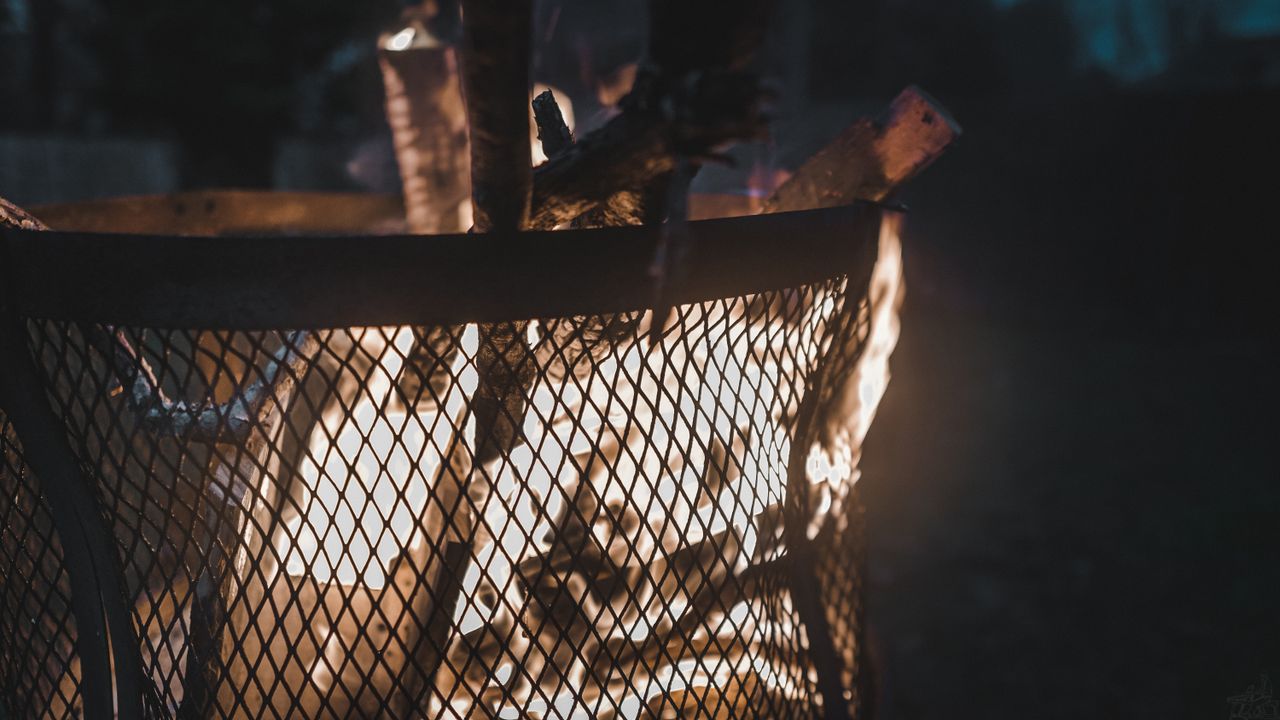
Qatar hotel and resort landscapes ask a lot from outdoor metalwork. A Corten steel water feature or fire pit may sit in intense sun, wind-blown dust, treated irrigation water, coastal humidity, and heavy guest use. Projects in Doha, Lusail, The Pearl, West Bay, Education City, and desert resort sites need more than a beautiful concept image. They need a specification that covers weathering steel grade, plate thickness, burner clearance, water chemistry, drainage, access panels, wind, surface temperature, and safe maintenance. This guide is written for landscape architects, hotel developers, fit-out contractors, MEP teams, and procurement managers buying Corten features for Qatar.
For product direction, review our Corten steel fire pits category, water feature specification guide, custom weathering steel fabrication service, and Corten Factory project range. Qatar project teams may also check local municipality resources from the Ministry of Municipality, ventilation and thermal comfort references from ASHRAE, and fire safety references from NFPA codes and standards when placing fire elements near guests and buildings.
Why Qatar projects choose Corten features
Corten steel brings a grounded, desert-friendly tone that works beside limestone, basalt, travertine, concrete, palms, grasses, and warm exterior lighting. In hotels, it can frame arrival courts, pool decks, restaurant terraces, majlis-style outdoor seating, and shaded garden rooms. Water features soften sound and heat perception, while fire pits give evening focus during the cooler season. The weathered surface also hides minor marks better than a glossy painted finish in dusty outdoor settings.
The Gulf climate requires careful detailing. Weathering steel needs wet and dry cycles, but constant salt, standing water, or chemical deposits can keep corrosion active. A fire pit must also manage heat, gas connections, wind, guest clearance, and service access. A water feature must manage waterproofing, pumps, filtration, water chemistry, and safe overflow. Buyers should avoid treating these items as simple decorative bowls.
Recommended technical parameters
| Feature type | Typical thickness | Key components | Critical Qatar detail |
|---|---|---|---|
| Reflecting water tray | 3.0-5.0 mm shell with liner or coating | Overflow, pump chamber, leveling feet | Isolate Corten from constant water with liner strategy. |
| Corten water wall | 3.0-4.0 mm visible frame | Stainless trough, pump, access panel | Control staining on stone and glass below. |
| Gas fire pit bowl | 4.0-6.0 mm outer shell | Burner pan, media, vents, shutoff | Follow gas contractor clearances and wind testing. |
| Linear fire table | 4.0 mm plus frame | Gas tray, removable lid, drain holes | Keep service access away from guest path. |
| Combined fire and water feature | 5.0-6.0 mm structure | Separate gas and water zones | Keep services isolated and inspectable. |
Water features should not rely on bare Corten as the permanent water-holding surface. The visible outer body can be weathering steel, but the wet zone is often stainless steel, coated steel, fiberglass, waterproof membrane, or a removable liner. Fire pits need thicker plate and internal burner supports because heat cycling can distort thin shells. For hotel use, removable service panels and replaceable burner trays are worth the small added cost.
Heat, wind, and guest safety
Surface temperature
Dark metal in Qatar sun becomes hot. Do not place low Corten edges where children or guests may rest bare skin during midday unless shade, planting, or barriers reduce contact. Fire pit rims need clear guest separation and a material choice that avoids sharp heated edges. In pool zones, consider distance from bare-foot routes and towel areas.
Wind and flame stability
Wind can push flames toward seating or extinguish burners. A gas fire pit package should include wind testing assumptions, burner rating, ventilation openings, and clear shutdown access. Glass wind guards may be needed, but they must be detailed for cleaning and heat. Avoid deep enclosed bowls with poor ventilation around gas components.
Dust and sand
Wind-blown dust settles in burner media, pump strainers, and water channels. Maintenance access should be wide enough for cleaning tools, more than for a hand to reach a valve. Water features need strainers and drain-down points. Fire pits should have covers when not in use, especially in seasonal outdoor dining areas.
Coastal air and water chemistry
Doha and coastal Qatar sites expose exterior metal to humidity and airborne salts. Weathering steel can still be used, but the design should avoid direct saltwater spray, standing brackish water, and chloride-rich deposits. For water features, the water treatment plan matters. High dissolved salts, aggressive dosing, or poor pH control can stain stone and attack metal parts. Separate the visible Corten skin from the water system, and use stainless or lined components for constant wet areas.
Cost and specification planning
| Project use | Preferred Corten assembly | Cost drivers | Buyer advice |
|---|---|---|---|
| Hotel arrival water feature | Corten outer cladding with lined basin | Pump chamber, overflow, stone interface | Approve water test and runoff path. |
| Restaurant terrace fire pits | 4-6 mm Corten bowls with gas inserts | Burner brand, gas controls, wind guards | Coordinate MEP and operator training. |
| Resort garden focal point | Large sculptural fire-water unit | Engineering, access panels, freight size | Build full shop mock-up before shipping. |
| Rooftop lounge planters with fire | Corten planter shells plus certified burner modules | Weight, drainage, gas line, wind | Check slab load and emergency access. |
Material comparison for Qatar hotel landscapes
| Material | Strength | Weak point | Best use |
|---|---|---|---|
| Corten weathering steel | Warm desert tone and strong custom shapes | Salt, standing water, and heat contact need detailing | Visible shells, screens, planters, fire pit bodies. |
| 316 stainless steel | Better chloride resistance | Higher cost and bright appearance | Wet troughs, drains, fasteners, burner parts. |
| Powder-coated aluminum | Light and corrosion resistant | Coating damage visible; less mass | Screens and removable covers. |
| GFRC or stone | Cooler touch and local design fit | Cracking and weight issues | Basins, plinths, seating edges. |
| Painted mild steel | Predictable color | Scratches and repainting in harsh sun | Hidden frames and short-term fit-out work. |
Installation coordination
A Qatar water or fire feature often crosses several trades: landscape contractor, steel fabricator, waterproofing team, plumber, electrician, gas contractor, stone installer, and hotel operator. The purchase order should state who supplies pumps, burners, controls, valves, lights, liners, and access covers. Factory drawings should show lifting points, service openings, cable paths, gas pipe entries, and drain outlets. If the feature arrives as a single large crate, confirm that site gates, cranes, and floor protection can handle it.
- Keep Corten runoff away from pale stone and pool coping.
- Use stainless fasteners and isolation washers at mixed metal joints.
- Provide drains in every low pocket where irrigation or cleaning water may collect.
- Add lockable access panels for pumps, valves, and ignition controls.
- Request operating and cleaning notes for the hotel facilities team.
Project application scenarios in Qatar
A West Bay hotel terrace may use linear gas fire pits between outdoor dining zones. The design should include wind guards, emergency shutoff access, and covers for dusty periods. A Lusail residential podium may use Corten water bowls as evening focal points, with stainless inner basins and overflow routes to protect stone paving. A desert resort can use large weathering steel sculptural forms, but the team should test patina development under irrigation and dust. At a beachfront property, Corten should be set back from direct spray and paired with stainless wet components.
Procurement checklist for Qatar buyers
- State whether the feature is decorative, water-holding, gas-fired, or a combined assembly.
- Confirm plate thickness, grade, liner material, burner brand, and service access.
- Ask for shop drawings showing all penetrations and removable panels.
- Request pre-shipment photos after trial assembly and after packing.
- Confirm Incoterms, crate weights, heat-sensitive components, and spare parts.
- Plan a site commissioning visit or video inspection for complex gas and water systems.
Maintenance planning
Hotel operators need simple routines. Water features should have accessible strainers, safe drain-down valves, and water treatment targets. Fire pits need burner cleaning, media inspection, and checks for blocked vents. Corten surfaces should be rinsed gently when dust builds up, but aggressive acidic cleaners should be avoided. If rust runoff appears on stone, clean early before staining deepens. A one-page maintenance guide in the handover pack will prevent many finish complaints.
Common Buyer Questions
Will Corten water features and fire pits stain paving during early weathering in Qatar?
Yes. Iron-rich runoff is most active during the first wet and dry cycles. Place gravel bands, dark stone, stainless drip trays, or sacrificial setting blocks below exposed edges. Avoid pale limestone, porous concrete, and rendered walls directly under new weathering steel unless the design accepts rust marks as part of the finish.
Should the steel arrive pre-weathered or raw?
Pre-weathering gives the project team a closer view of the final tone before site installation and helps reveal handling marks before packing. Raw steel is cheaper and may be preferred when the site program allows natural patina development. For public work, many buyers approve a sample panel showing an acceptable range rather than one fixed color.
What documents should be requested before placing an order?
Ask for grade declaration, plate thickness, shop drawings, weld and fold details, drainage drawings, fixing schedules, finish sample photos, crate list, and inspection images before dispatch. When a job has several landscape zones, request tagged crates that match the plan numbers used by the contractor.
Can Corten sit beside stainless steel, aluminum, concrete, or timber?
Yes, but use separation tapes, EPDM washers, nylon sleeves, or coated brackets where mixed metals touch. Keep timber ventilated and keep concrete upstands detailed with a drip route. The main risk is not contact alone; it is trapped moisture at a joint that never dries.
How early should a B2B buyer start procurement?
Standard planters, simple edging, and repeat screen modules can often be organized in eight to ten weeks. Custom facade panels, large water trays, curved beds, fire features, or projects needing samples and revised drawings should start twelve to eighteen weeks before the required site date.
Practical buying recommendation
For Qatar hotel landscapes, use Corten where it is visible and expressive, then protect the hidden wet, gas, and service zones with the right companion materials. Specify thicker shells for fire, lined or stainless wet zones for water, accessible panels for maintenance, and clear runoff routes away from pale stone. Procurement teams should require coordinated shop drawings, sample finish photos, burner and pump data, and packing details before shipment. The result is a feature that looks at home in the Gulf climate and can be maintained by the operator after opening night.
Additional specification notes for tender packages
Tender drawings should state whether dimensions are outside-to-outside, inside planting size, or finished installed size. This avoids disputes when folded returns, brackets, and liners reduce clear space. For repeat projects, a dimension code table is better than long written descriptions because it helps the factory check every module before cutting steel.
Sample approval should be practical. A small coupon can show color and texture, but it cannot show oil-canning, corner welds, pattern strength, or runoff behavior. For high-value work, order a corner sample or one complete module. Photograph it in daylight and shade, then attach the approved images to the purchase file.
Packing is part of quality control. Weathering steel can mark itself if bare panels rub in transit. Ask for separators, corner guards, breathable wrapping, and crate labels on at least two sides. If the site has limited storage, the crate sequence should match the installation sequence, not the factory production sequence.
Tolerance should be written in numbers. Long panels and planters can look wrong even when they are structurally sound. State acceptable bow, twist, hole position, and diagonal difference. If panels connect to existing concrete or steel, the contractor should survey the site before final drawings are released.
Maintenance should be honest and short. Weathering steel is low-paint, not no-care. The owner should know how to remove leaves, trapped soil, cement splashes, and salt deposits. A clear maintenance note also protects the contractor from being blamed for natural color variation during the first year.
Additional specification notes for tender packages
Tender drawings should state whether dimensions are outside-to-outside, inside planting size, or finished installed size. This avoids disputes when folded returns, brackets, and liners reduce clear space. For repeat projects, a dimension code table is better than long written descriptions because it helps the factory check every module before cutting steel.
Sample approval should be practical. A small coupon can show color and texture, but it cannot show oil-canning, corner welds, pattern strength, or runoff behavior. For high-value work, order a corner sample or one complete module. Photograph it in daylight and shade, then attach the approved images to the purchase file.
Packing is part of quality control. Weathering steel can mark itself if bare panels rub in transit. Ask for separators, corner guards, breathable wrapping, and crate labels on at least two sides. If the site has limited storage, the crate sequence should match the installation sequence, not the factory production sequence.
Tolerance should be written in numbers. Long panels and planters can look wrong even when they are structurally sound. State acceptable bow, twist, hole position, and diagonal difference. If panels connect to existing concrete or steel, the contractor should survey the site before final drawings are released.
Maintenance should be honest and short. Weathering steel is low-paint, not no-care. The owner should know how to remove leaves, trapped soil, cement splashes, and salt deposits. A clear maintenance note also protects the contractor from being blamed for natural color variation during the first year.
Additional specification notes for tender packages
Tender drawings should state whether dimensions are outside-to-outside, inside planting size, or finished installed size. This avoids disputes when folded returns, brackets, and liners reduce clear space. For repeat projects, a dimension code table is better than long written descriptions because it helps the factory check every module before cutting steel.
Sample approval should be practical. A small coupon can show color and texture, but it cannot show oil-canning, corner welds, pattern strength, or runoff behavior. For high-value work, order a corner sample or one complete module. Photograph it in daylight and shade, then attach the approved images to the purchase file.
Packing is part of quality control. Weathering steel can mark itself if bare panels rub in transit. Ask for separators, corner guards, breathable wrapping, and crate labels on at least two sides. If the site has limited storage, the crate sequence should match the installation sequence, not the factory production sequence.
Tolerance should be written in numbers. Long panels and planters can look wrong even when they are structurally sound. State acceptable bow, twist, hole position, and diagonal difference. If panels connect to existing concrete or steel, the contractor should survey the site before final drawings are released.
Maintenance should be honest and short. Weathering steel is low-paint, not no-care. The owner should know how to remove leaves, trapped soil, cement splashes, and salt deposits. A clear maintenance note also protects the contractor from being blamed for natural color variation during the first year.
Additional specification notes for tender packages
Tender drawings should state whether dimensions are outside-to-outside, inside planting size, or finished installed size. This avoids disputes when folded returns, brackets, and liners reduce clear space. For repeat projects, a dimension code table is better than long written descriptions because it helps the factory check every module before cutting steel.
Sample approval should be practical. A small coupon can show color and texture, but it cannot show oil-canning, corner welds, pattern strength, or runoff behavior. For high-value work, order a corner sample or one complete module. Photograph it in daylight and shade, then attach the approved images to the purchase file.
Packing is part of quality control. Weathering steel can mark itself if bare panels rub in transit. Ask for separators, corner guards, breathable wrapping, and crate labels on at least two sides. If the site has limited storage, the crate sequence should match the installation sequence, not the factory production sequence.
Tolerance should be written in numbers. Long panels and planters can look wrong even when they are structurally sound. State acceptable bow, twist, hole position, and diagonal difference. If panels connect to existing concrete or steel, the contractor should survey the site before final drawings are released.
Maintenance should be honest and short. Weathering steel is low-paint, not no-care. The owner should know how to remove leaves, trapped soil, cement splashes, and salt deposits. A clear maintenance note also protects the contractor from being blamed for natural color variation during the first year.
Additional specification notes for tender packages
Tender drawings should state whether dimensions are outside-to-outside, inside planting size, or finished installed size. This avoids disputes when folded returns, brackets, and liners reduce clear space. For repeat projects, a dimension code table is better than long written descriptions because it helps the factory check every module before cutting steel.
Sample approval should be practical. A small coupon can show color and texture, but it cannot show oil-canning, corner welds, pattern strength, or runoff behavior. For high-value work, order a corner sample or one complete module. Photograph it in daylight and shade, then attach the approved images to the purchase file.
Packing is part of quality control. Weathering steel can mark itself if bare panels rub in transit. Ask for separators, corner guards, breathable wrapping, and crate labels on at least two sides. If the site has limited storage, the crate sequence should match the installation sequence, not the factory production sequence.
Tolerance should be written in numbers. Long panels and planters can look wrong even when they are structurally sound. State acceptable bow, twist, hole position, and diagonal difference. If panels connect to existing concrete or steel, the contractor should survey the site before final drawings are released.
Maintenance should be honest and short. Weathering steel is low-paint, not no-care. The owner should know how to remove leaves, trapped soil, cement splashes, and salt deposits. A clear maintenance note also protects the contractor from being blamed for natural color variation during the first year.
Additional specification notes for tender packages
Tender drawings should state whether dimensions are outside-to-outside, inside planting size, or finished installed size. This avoids disputes when folded returns, brackets, and liners reduce clear space. For repeat projects, a dimension code table is better than long written descriptions because it helps the factory check every module before cutting steel.
Sample approval should be practical. A small coupon can show color and texture, but it cannot show oil-canning, corner welds, pattern strength, or runoff behavior. For high-value work, order a corner sample or one complete module. Photograph it in daylight and shade, then attach the approved images to the purchase file.
Packing is part of quality control. Weathering steel can mark itself if bare panels rub in transit. Ask for separators, corner guards, breathable wrapping, and crate labels on at least two sides. If the site has limited storage, the crate sequence should match the installation sequence, not the factory production sequence.
Tolerance should be written in numbers. Long panels and planters can look wrong even when they are structurally sound. State acceptable bow, twist, hole position, and diagonal difference. If panels connect to existing concrete or steel, the contractor should survey the site before final drawings are released.
Maintenance should be honest and short. Weathering steel is low-paint, not no-care. The owner should know how to remove leaves, trapped soil, cement splashes, and salt deposits. A clear maintenance note also protects the contractor from being blamed for natural color variation during the first year.
Additional specification notes for tender packages
Tender drawings should state whether dimensions are outside-to-outside, inside planting size, or finished installed size. This avoids disputes when folded returns, brackets, and liners reduce clear space. For repeat projects, a dimension code table is better than long written descriptions because it helps the factory check every module before cutting steel.
Sample approval should be practical. A small coupon can show color and texture, but it cannot show oil-canning, corner welds, pattern strength, or runoff behavior. For high-value work, order a corner sample or one complete module. Photograph it in daylight and shade, then attach the approved images to the purchase file.
Packing is part of quality control. Weathering steel can mark itself if bare panels rub in transit. Ask for separators, corner guards, breathable wrapping, and crate labels on at least two sides. If the site has limited storage, the crate sequence should match the installation sequence, not the factory production sequence.
Tolerance should be written in numbers. Long panels and planters can look wrong even when they are structurally sound. State acceptable bow, twist, hole position, and diagonal difference. If panels connect to existing concrete or steel, the contractor should survey the site before final drawings are released.
Maintenance should be honest and short. Weathering steel is low-paint, not no-care. The owner should know how to remove leaves, trapped soil, cement splashes, and salt deposits. A clear maintenance note also protects the contractor from being blamed for natural color variation during the first year.
Additional specification notes for tender packages
Tender drawings should state whether dimensions are outside-to-outside, inside planting size, or finished installed size. This avoids disputes when folded returns, brackets, and liners reduce clear space. For repeat projects, a dimension code table is better than long written descriptions because it helps the factory check every module before cutting steel.
Sample approval should be practical. A small coupon can show color and texture, but it cannot show oil-canning, corner welds, pattern strength, or runoff behavior. For high-value work, order a corner sample or one complete module. Photograph it in daylight and shade, then attach the approved images to the purchase file.
Packing is part of quality control. Weathering steel can mark itself if bare panels rub in transit. Ask for separators, corner guards, breathable wrapping, and crate labels on at least two sides. If the site has limited storage, the crate sequence should match the installation sequence, not the factory production sequence.
Tolerance should be written in numbers. Long panels and planters can look wrong even when they are structurally sound. State acceptable bow, twist, hole position, and diagonal difference. If panels connect to existing concrete or steel, the contractor should survey the site before final drawings are released.
Maintenance should be honest and short. Weathering steel is low-paint, not no-care. The owner should know how to remove leaves, trapped soil, cement splashes, and salt deposits. A clear maintenance note also protects the contractor from being blamed for natural color variation during the first year.
Need a factory quote for Qatar Corten Steel Water Features and Fire Pits: Hotel Landscape Specification for Heat, Wind and Coastal Air?
Send your drawings, size list, quantity and destination country. Corten Factory can support custom weathering steel fabrication, export packing and project quotation.