Custom Metal Planter Boxes in Corten Steel: Public Space Specification Guide

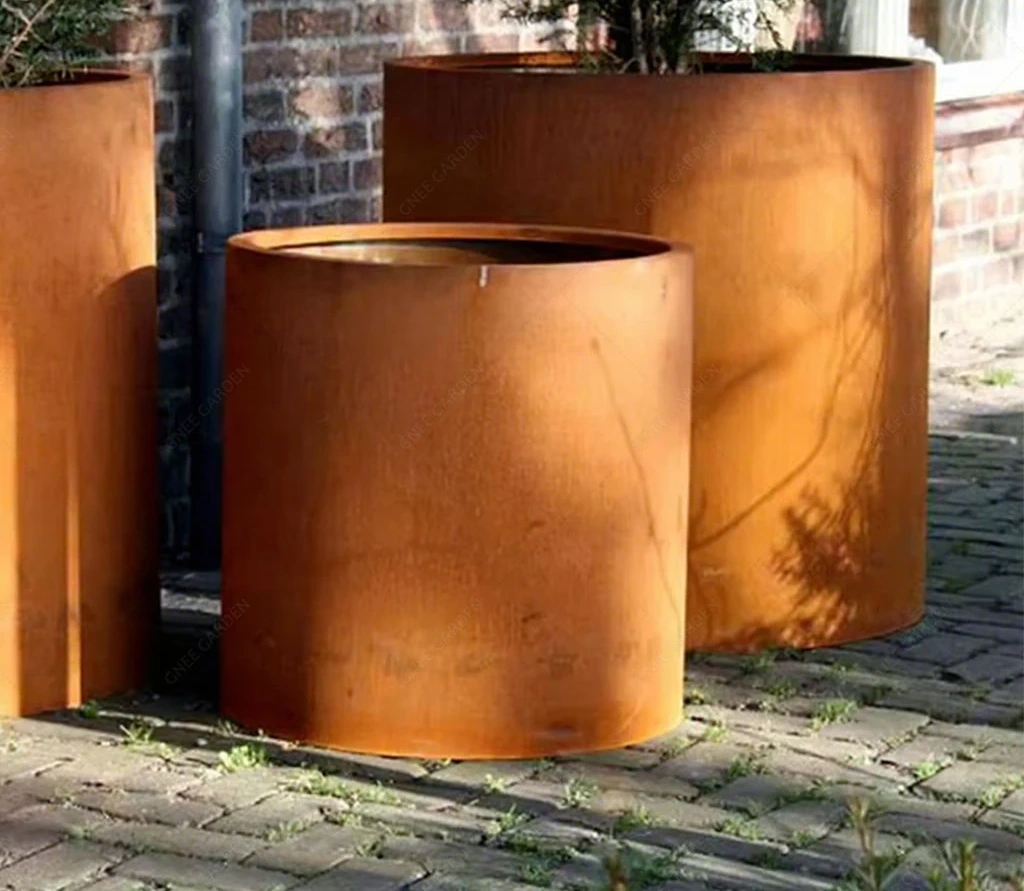
Custom metal planter boxes in corten steel are a practical way to divide pedestrian zones, add planting volume and create a warm architectural finish without relying on painted color systems. For landscape architects, contractors, municipalities and hospitality buyers, the key is not only the visible planter shape. The specification also needs to define drainage, liners, wall thickness, base details, handling points, packing and how the planter will be installed on site.
The notes below cover how to specify custom corten planter boxes for public spaces, streetscapes, hotels, terraces and commercial landscape projects, with a focus on RFQ details that help a manufacturer quote accurately and deliver repeatable results.
Where custom corten planter boxes work best
Corten steel planter boxes are commonly used where the planter is also part of the spatial design. They can guide traffic, protect seating areas, frame entrances, soften hard paving and separate outdoor dining zones. The natural weathered surface also suits projects that need a durable, low-maintenance industrial or landscape look.
- Public plazas, pedestrian streets and municipal landscape upgrades.
- Hotel, resort and restaurant terraces where planters define guest areas.
- Commercial entrances, office campuses and mixed-use developments.
- Retail streetscapes where repeat planter modules need consistent dimensions.
- Residential developments, roof gardens and shared courtyards.
Key dimensions to include in the planter specification
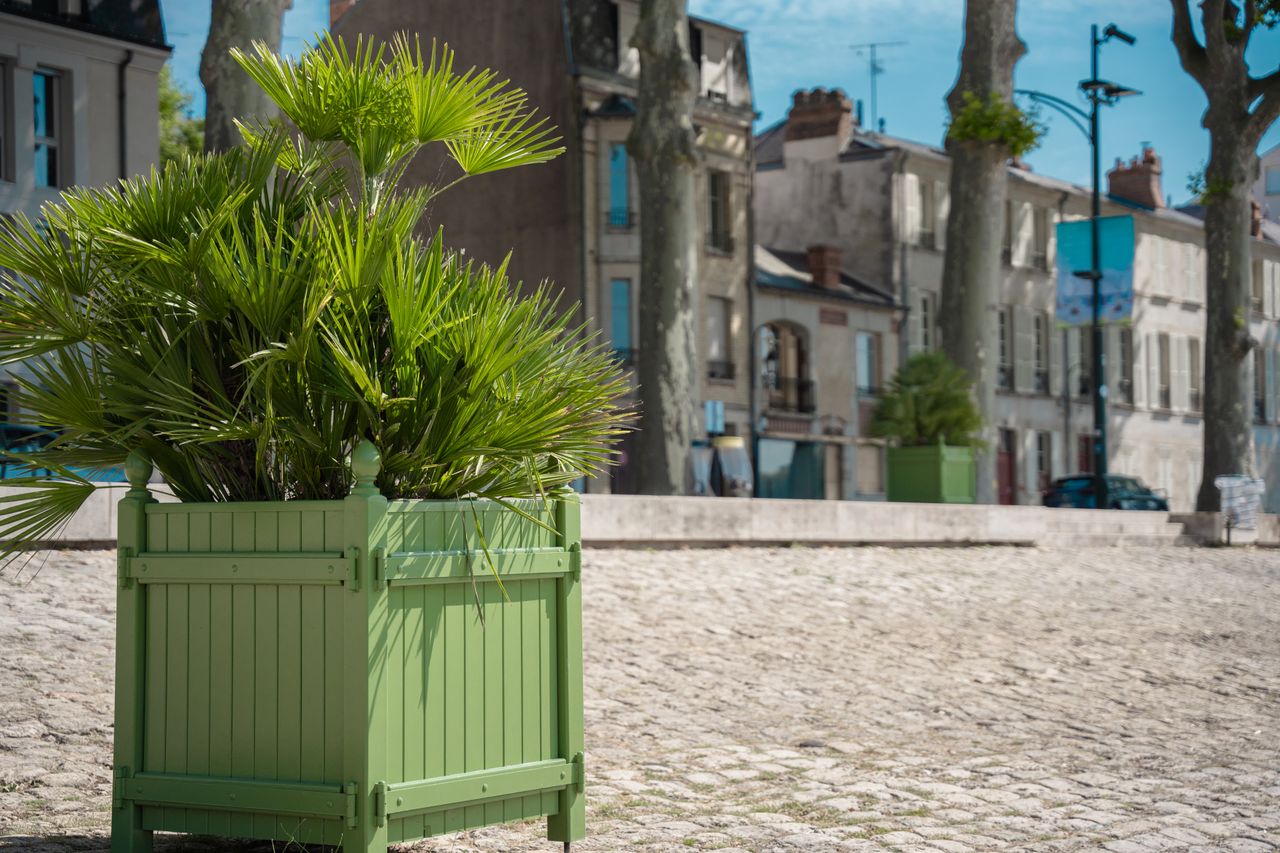
A useful RFQ should describe the planter as a fabricated product, more than a decorative pot. Dimensions affect steel usage, internal bracing, welding sequence, packing method and freight volume. For project orders, send drawings whenever possible; even a simple PDF with plan view, elevation and section details helps reduce assumptions.
Basic size data
- Overall length, width and height for each planter module.
- Required inside planting depth and soil volume.
- Top lip style: straight edge, folded return, reinforced rim or custom profile.
- Base design: flat base, raised feet, recessed base, hidden frame or open bottom.
- Quantity per size, because repeated modules may allow more efficient fabrication.
Thickness and reinforcement
The right thickness depends on planter size, soil load, handling method and the desired edge detail. Small decorative boxes may use lighter sheet, while long commercial modules often need thicker plate, folded edges or internal reinforcement to control distortion. For long runs, ask the supplier to recommend bracing based on dimensions and expected soil depth.
Drainage, liners and planting details
Drainage is one of the most important details for outdoor corten planters. Water should not be trapped against the steel or against the paving system. The project team should define whether the planter will use drainage holes, a raised internal base, geotextile, gravel layers, removable liner trays or a separate waterproof liner.
- Confirm drainage hole quantity, diameter and location before production.
- Use a liner strategy when soil chemistry, irrigation or staining control is important.
- Allow air gaps or feet where the planter base must dry after rain.
- Coordinate overflow paths so water does not run toward doors, stone paving or sensitive finishes.
- For roof terraces, confirm load limits and waterproofing requirements with the project engineer.
Surface finish and patina expectations
Corten steel develops a protective weathered surface when exposed to alternating wet and dry cycles. The final appearance varies with climate, exposure, air flow and contact with moisture. Buyers should confirm whether they want raw corten steel for natural weathering, a pre-weathered appearance, or a controlled finish before packing. Avoid promising an identical color on every surface; instead, specify an acceptable patina range and inspection standard.
Manufacturing details buyers should confirm
For project supply, custom metal planter boxes should be quoted with enough production detail to avoid late changes. CortenFactory can support custom fabrication from drawings for corten steel planters, edging, screens and related outdoor metal products.
- Material grade or equivalent weathering steel requirement.
- Cutting method, bending radius, welded corners and visible seam expectations.
- Top edge treatment for safety, stiffness and appearance.
- Internal stiffeners, lifting points, feet or anchor tabs where required.
- Batch marking, product labels and installation sequence if multiple sizes are shipped together.
Packing and export considerations
Large corten planter boxes can be heavy and easily damaged at exposed corners if packing is not planned. For export orders, confirm pallet dimensions, corner protection, moisture protection, container loading method and whether planters can nest. If the project has multiple sizes, a packing list tied to drawing numbers helps the installer identify each module quickly.
Internal resources for buyers
For related products and custom support, review CortenFactory’s corten steel planter boxes, flower pots and planters, custom corten steel fabrication and landscape edging categories.
Buyer checklist before requesting a quote
- Project location and intended use: public space, hotel, terrace, garden or streetscape.
- Drawings with dimensions, quantity, top edge, base and drainage details.
- Preferred steel thickness, finish expectation and visible weld requirements.
- Planting depth, liner requirement and irrigation/drainage coordination.
- Packing, labeling, delivery deadline and destination port or address.
FAQ: custom corten metal planter boxes
Can corten planter boxes be made to custom sizes?
Yes. Custom sizes are common for commercial landscape projects. Send drawings or dimensions with length, width, height, planting depth, top edge detail and quantity for each module.
Do corten steel planters need drainage holes?
Most outdoor planters need a drainage strategy. The exact hole size, quantity and liner detail should be coordinated with the planting design, paving system and irrigation plan.
Will every planter have the same rust color?
Not exactly. Weathering steel color changes with exposure, humidity, rain, air flow and handling. A controlled finish or pre-weathering process can reduce variation, but natural patina should still be specified as a range.
What information helps the factory quote faster?
A clear RFQ should include drawings, material/thickness preference, quantities, finish expectations, drainage details, packing requirements and delivery destination.
CTA: send drawings for a project quote
Need custom corten steel planter boxes for a public-space, hotel, streetscape or commercial landscape project? Send your drawings, quantities, dimensions and packing requirements to CortenFactory. The team can review fabrication details and prepare a practical quotation for project supply.
Need a factory quote for Custom Metal Planter Boxes in Corten Steel: Public Space Specification Guide?
Send your drawings, size list, quantity and destination country. Corten Factory can support custom weathering steel fabrication, export packing and project quotation.