
Corten Steel Garden Retaining Wall Ideas: Design, Drainage and Thickness Notes

Corten steel retaining walls can create clean landscape edges, raised beds and tiered garden levels, but they need proper thickness, drainage and anchoring. This guide is written for designers, contractors and buyers who need practical design notes before specifying weathering steel retaining wall panels.
Corten steel garden retaining walls are used to hold level changes, define planting terraces and create strong rust-colour lines in landscape projects. For hotels, parks, villas and commercial entrances, the design has to look simple on the surface while still allowing for soil pressure, drainage and safe installation.
Use these notes to prepare a clearer retaining wall RFQ. Final structure still needs project engineering review. It is not a structural engineering drawing, but it helps you prepare a clearer RFQ before asking a fabricator to quote.
Where corten steel retaining walls work best
Corten steel is especially useful where the wall is part of the visual design, more than a hidden support. Common applications include raised planting beds, lawn-to-path transitions, outdoor seating edges, stepped garden terraces, water-feature borders and entrance landscape zones.
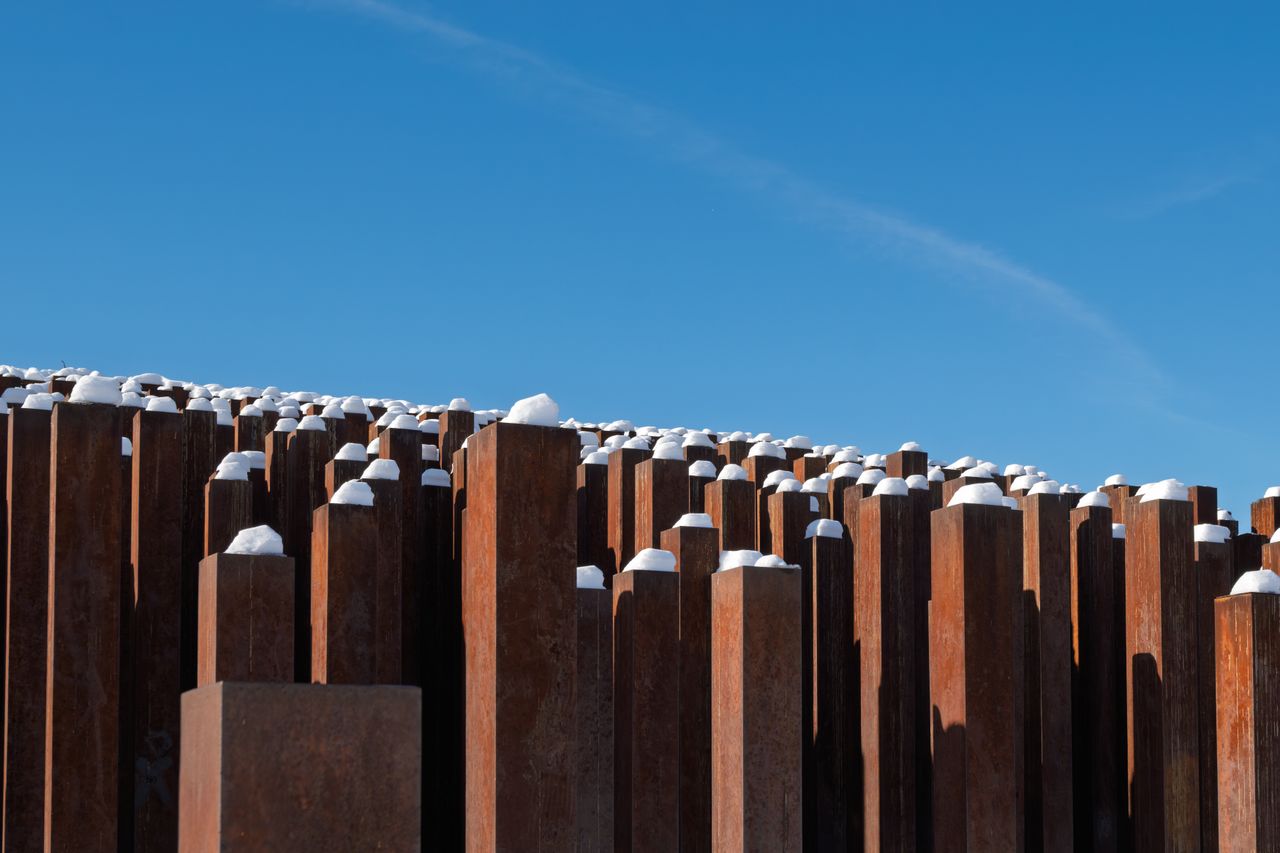
For low walls and decorative edging, corten steel can often be fabricated as straight or curved panels with stakes, plates or welded brackets. For taller retaining walls, the design should be reviewed by a local engineer because soil load, water pressure and site conditions can change the required structure.
Idea 1: Low raised beds with clean steel faces
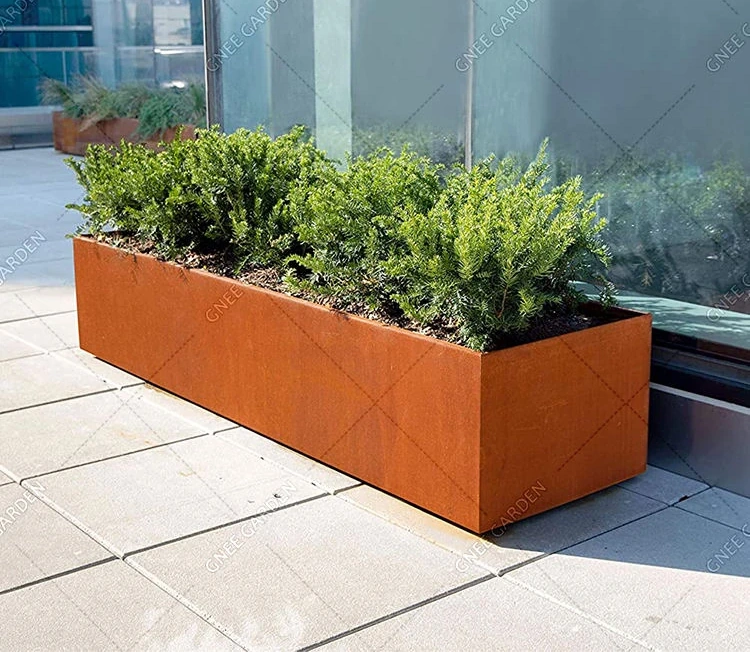
A low retaining wall around a planting bed gives a tidy edge and keeps soil separate from gravel, paving or lawn. This is a good choice for commercial landscapes because the steel face stays slim compared with stone or concrete, and the rust patina fits natural planting schemes.
For this type, buyers should define the finished height, soil depth, panel length, corner details, and whether the wall needs bottom plates, ground stakes or concealed fixing points. If the bed is large, add drainage holes or a gravel layer so water does not remain trapped against the steel.
Idea 2: Stepped terrace walls for sloped gardens
On sloped land, several lower corten walls are often better than one tall wall. Stepped terraces reduce the visual weight of the project and create usable planting levels. They also make fabrication, packing and site installation easier because each panel section can be handled separately.
When planning terraces, provide the fabricator with a simple site sketch showing the slope direction, wall heights, straight runs, curves and access for installation. If the wall will hold significant soil height, request advice on reinforcement, posts, anchor points or a separate structural frame.
Idea 3: Curved corten borders for organic planting areas
Curved retaining borders work well in parks, resort gardens and public landscape projects. The curve softens the heavy material and makes the patina colour feel more natural. Corten steel can be supplied as pre-formed curved panels or flexible thinner edging depending on the height and structural requirement.
For custom curved parts, confirm the radius, chord length, panel height and joint method before production. If the design uses repeated modules, mark each piece number on the drawing so the installation team can assemble the wall in the correct order.
Thickness, height and reinforcement notes
There is no single thickness that fits every corten steel retaining wall. A small raised planter edge may use thinner plate, while a tall soil-retaining wall may need thicker steel, folded returns, posts, ribs or a hidden frame. The most important factors are wall height, soil load, drainage, panel span and local safety rules.
As a practical RFQ starting point, separate your project into low decorative edges, medium raised beds and structural retaining sections. Ask the supplier to quote each group separately instead of using one specification for the whole site. This avoids overbuilding small areas and under-specifying high-load areas.
Drainage is not optional
Even though weathering steel forms a protective patina, trapped water and wet soil can reduce service life. Retaining wall designs should consider gravel backfill, drainage holes, geotextile, weep points or separate waterproof liners depending on the soil and planting plan.
If your retaining wall is close to paving, light-coloured stone or building facades, allow for early rust runoff during the patina period. Temporary protection, drainage direction and installation sequence can reduce staining risk.
Finish: natural rust, pre-weathered or raw steel?
Most corten retaining walls are supplied raw or partly pre-weathered. Raw steel changes colour on site, which can be cost-effective but may look uneven during the first stage. Pre-weathered panels give a more mature appearance before installation, but the finish still continues to develop outdoors.
For public-facing projects, confirm the desired delivery condition in advance. If the wall is part of a staged opening or hotel landscape launch, pre-weathering may help the site look finished sooner.
What to include in a retaining wall RFQ
- Wall height, length and quantity for each section
- Straight, curved or stepped layout drawings
- Required thickness, or expected soil-retaining height for supplier review
- Drainage requirements, holes, slots or liner plan
- Fixing method: stakes, base plates, posts, ribs or hidden frame
- Finish requirement: raw corten, pre-weathered surface or sealed finish
- Packing limits, container loading and site handling constraints
Corten Factory can fabricate custom weathering steel retaining wall panels, edging, raised planters and landscape borders from drawings. For related design details, see our corten steel landscape edging installation guide, planter drainage and liner guide, and custom corten steel fabrication service.
Need a quotation for a landscape project? Send your drawings, target finish, quantities and installation requirements through our contact page. Our team can review the fabrication details and recommend a practical production plan.
Send your drawing, panel size, pattern idea, thickness and project location. CortenFactory can fabricate laser cut privacy screens, fence panels and architectural weathering steel panels for export projects. View corten screen options or contact us for a project quote.
Related corten steel resources
- Custom corten steel screens and laser cut privacy panels
- Corten steel screen pattern guide for gardens and architecture
- Custom corten steel fabrication from CAD drawings
- Corten steel vs galvanized steel for outdoor products
Need a factory quote for Corten Steel Garden Retaining Wall Ideas: Design, Drainage and Thickness Notes?
Send your drawings, size list, quantity and destination country. Corten Factory can support custom weathering steel fabrication, export packing and project quotation.