
Corten Steel Planter Bench: Public Space Specification Guide

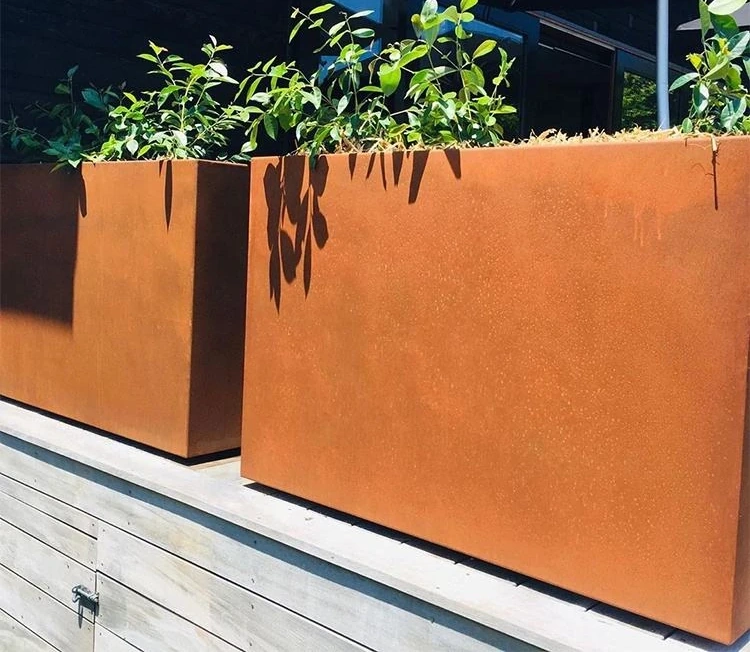
A corten steel planter bench combines planting, seating and landscape zoning in one durable outdoor element. For parks, plazas, hotels, commercial courtyards, campus paths and mixed-use developments, this type of weathering steel assembly can define circulation while adding comfortable rest points and greenery.
For buyers, the challenge is not only choosing a good-looking planter. A successful corten planter bench needs practical decisions about module size, seat support, drainage, edge safety, patina runoff, packing and installation. The notes below cover the key specification points to include when requesting a custom quotation from CortenFactory.
Where corten steel planter benches work best
Corten steel planter benches are useful when a landscape needs modular structure without building permanent walls. The planter body provides visual weight, while timber, stone, composite or metal seating surfaces can create short-stay seating around planting beds.
- Public plazas, pedestrian streets and municipal landscape upgrades.
- Hotel, resort, restaurant and retail outdoor seating areas.
- Commercial courtyards, office campuses and real estate common spaces.
- Parks, waterfronts and garden paths where planting and seating should align.
- Outdoor amenity zones that require repeatable custom metal planter modules.
Start with the layout, not only the product photo
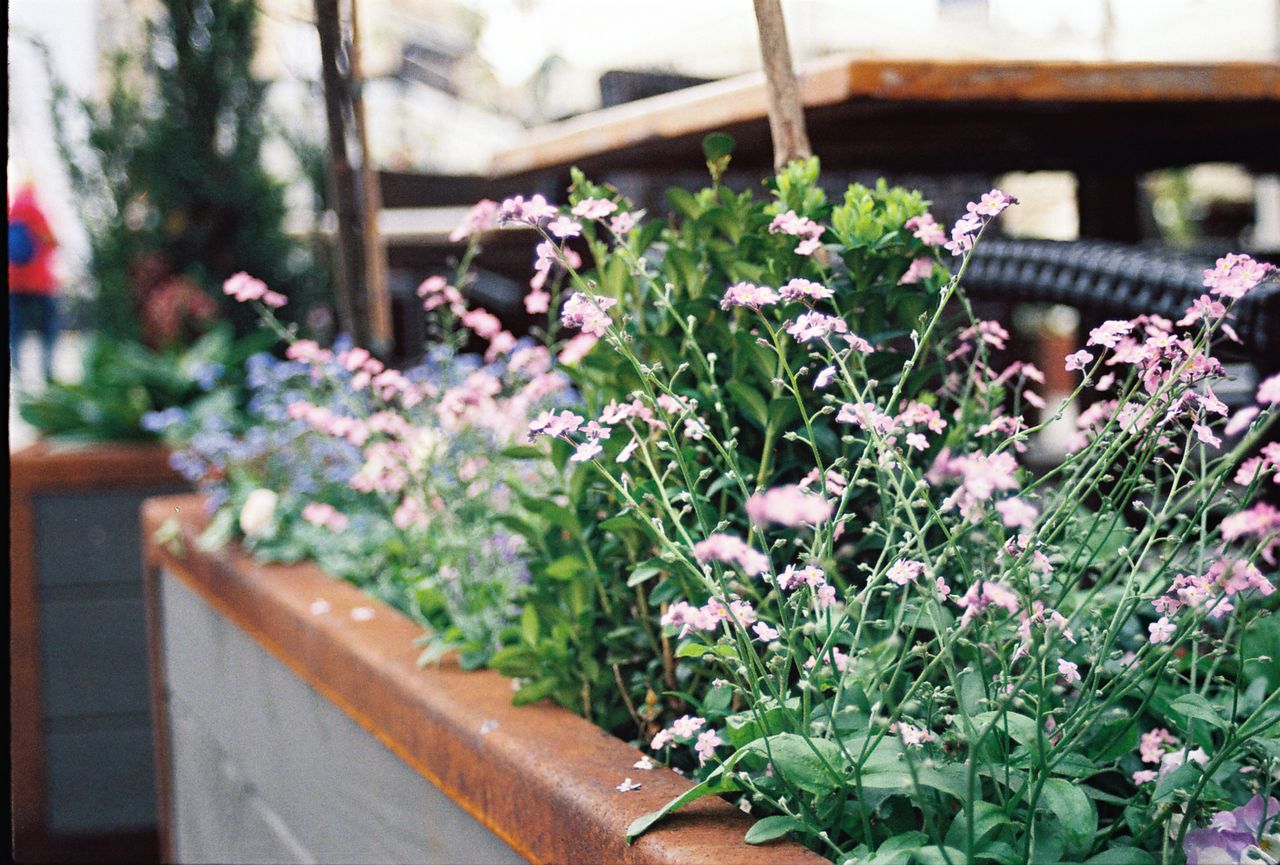
A planter bench should be specified from the site layout. Before discussing price, define how people will move around the element, where the seating faces, how maintenance crews access plants, and whether the modules need to be moved or repeated across the project.
Dimensions to include in the drawing
- Overall planter length, width and height for each module.
- Seat height, seat depth, overhang and support bracket locations.
- Corner radius or mitred corner requirements for pedestrian safety.
- Drainage hole positions, internal liner requirement and optional overflow details.
- Module quantity, layout sequence and whether parts should be shipped assembled or flat-packed.
For large public-space orders, use a schedule that identifies each planter bench module by mark number. This reduces confusion during fabrication, packing and site installation.
Seat material and connection details
The seating surface can be timber, composite board, stone, stainless steel, powder coated metal or another project-selected material. CortenFactory can support the weathering steel planter body and mounting details, while the final seat material should be coordinated with the landscape architect and local installation team.
- Confirm whether the bench top is supplied by the metal fabricator or installed locally.
- Define bracket spacing, fixing holes and concealed support requirements.
- Avoid details that trap water between the seat and corten surface.
- Allow access for tightening or replacing fasteners after installation.
- Use rounded or deburred visible edges in pedestrian seating zones.
Drainage, liners and plant health
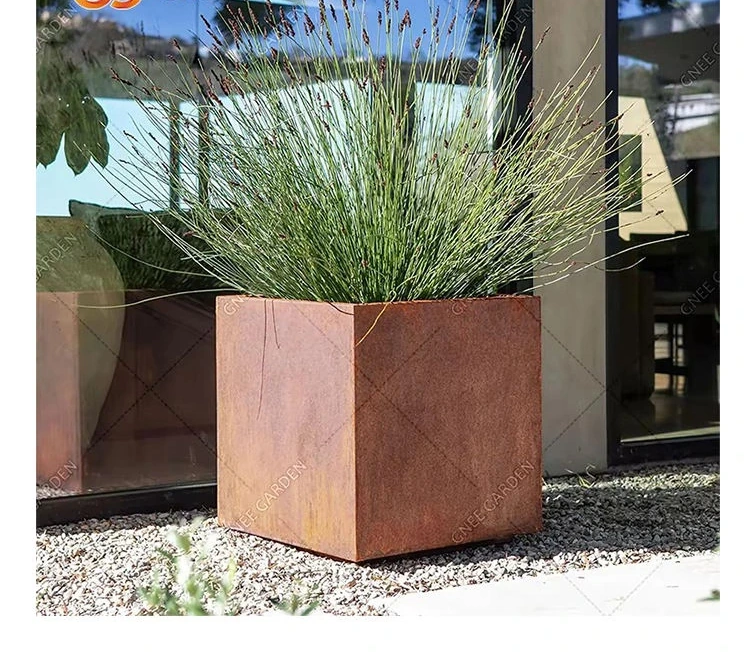
A planter bench is still a planter, so water management matters. Soil depth, root volume, irrigation, drainage holes, geotextile layers and liners should be reviewed before fabrication. Poor drainage can damage plants, create standing water, accelerate staining and make public seating areas unpleasant to maintain.
For commercial projects, ask for drainage locations to match the paving and site drainage plan. If the planter is installed above finished paving, the design should prevent uncontrolled runoff from flowing across light stone or entrance areas.
Weathering finish and runoff expectations
Corten steel develops a protective patina through wet and dry exposure cycles. Early-stage weathering can release rust-colored runoff, especially when planters are irrigated or located under trees. This does not mean the product is failing, but it should be considered in the layout and paving selection.
- Avoid placing new corten planter benches directly above sensitive light paving without runoff planning.
- Provide air flow and drainage so surfaces can dry between wet cycles.
- Discuss pre-weathering if the project needs a more settled appearance before installation.
- Expect natural color variation between exposed, shaded and handled surfaces.
- Coordinate cleaning and maintenance instructions with the site operator.
Fabrication details for custom project orders
Custom corten steel planter bench orders should be based on drawings rather than only a reference image. Clear drawings help the factory price material usage, bending, welding, reinforcement, grinding, packing and inspection accurately.
- Weathering steel grade or equivalent material requirement.
- Plate thickness, folded edges, reinforcement and visible weld treatment.
- Seat bracket positions, drain holes, lifting points and access panels if needed.
- Surface preparation, deburring and acceptable patina condition at shipment.
- QC photo requirements, drawing references and piece-mark labels.
Packing and installation planning
Planter benches are bulky and can have visible finished edges, so packing should be discussed before production. Ask for corner protection, separation between modules, moisture control, piece labels that match the drawings and a packing list that helps the site team identify each module. For export projects, confirm pallet size, container loading, destination port and site access restrictions.
Related CortenFactory resources
For connected products, review CortenFactory’s corten steel planter boxes, street furniture, landscape edging and laser cut corten screens. For custom work, see custom corten steel fabrication, the fabrication buyer checklist, the planter drainage and liner guide and the export packing guide.
RFQ checklist for a corten steel planter bench
- Project type, location and expected outdoor exposure.
- Drawings with planter size, seat position, bracket details and quantity schedule.
- Seat material responsibility: factory supplied, client supplied or local installation.
- Drainage, liner, irrigation and runoff-control requirements.
- Finish expectation, packing method, labeling and delivery destination.
FAQ: corten steel planter benches
Can CortenFactory make planter benches to custom sizes?
Yes. Custom sizes are suitable for project orders. Send drawings with planter dimensions, bench position, support details, drainage requirements and quantities so the team can review fabrication and packing.
What seat material works with corten steel planters?
Timber, composite board, stone and metal seating surfaces can all be used if the fixing detail is planned correctly. The best choice depends on comfort, budget, maintenance expectations and the project design language.
Will corten planter benches stain paving?
Early weathering runoff can stain light paving if water drains across sensitive surfaces. Plan drainage, slope, air flow and paving protection before installation, especially around irrigated planters.
Do planter benches need internal liners?
Many commercial planter projects use liners, drainage layers or geotextile systems to manage soil and water. The correct detail depends on plant type, irrigation, soil depth and maintenance plan.
What should be included in the RFQ?
Include project drawings, module sizes, seating details, material thickness, drainage and liner requirements, finish expectations, quantity schedule, packing requirements and delivery destination.
CTA: send planter bench drawings for review
Planning corten steel planter benches for a park, plaza, hotel, commercial courtyard or public-space landscape project? Send your drawings, quantities, seating details and packing requirements to CortenFactory. The team can review the fabrication details and prepare a practical quotation for your project.
Need a factory quote for Corten Steel Planter Bench: Public Space Specification Guide?
Send your drawings, size list, quantity and destination country. Corten Factory can support custom weathering steel fabrication, export packing and project quotation.