
Corten Steel Planters for USA Commercial Streetscapes: Specification Guide for Architects and Procurement Teams

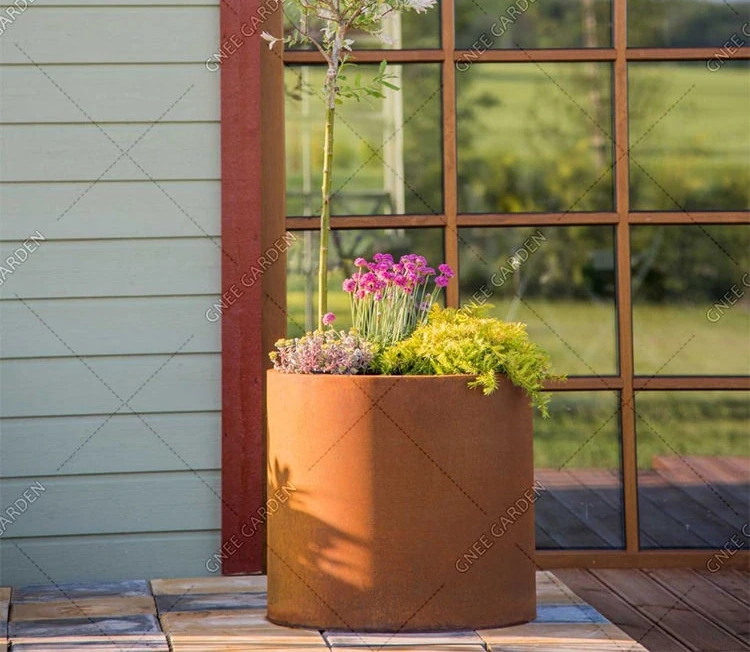
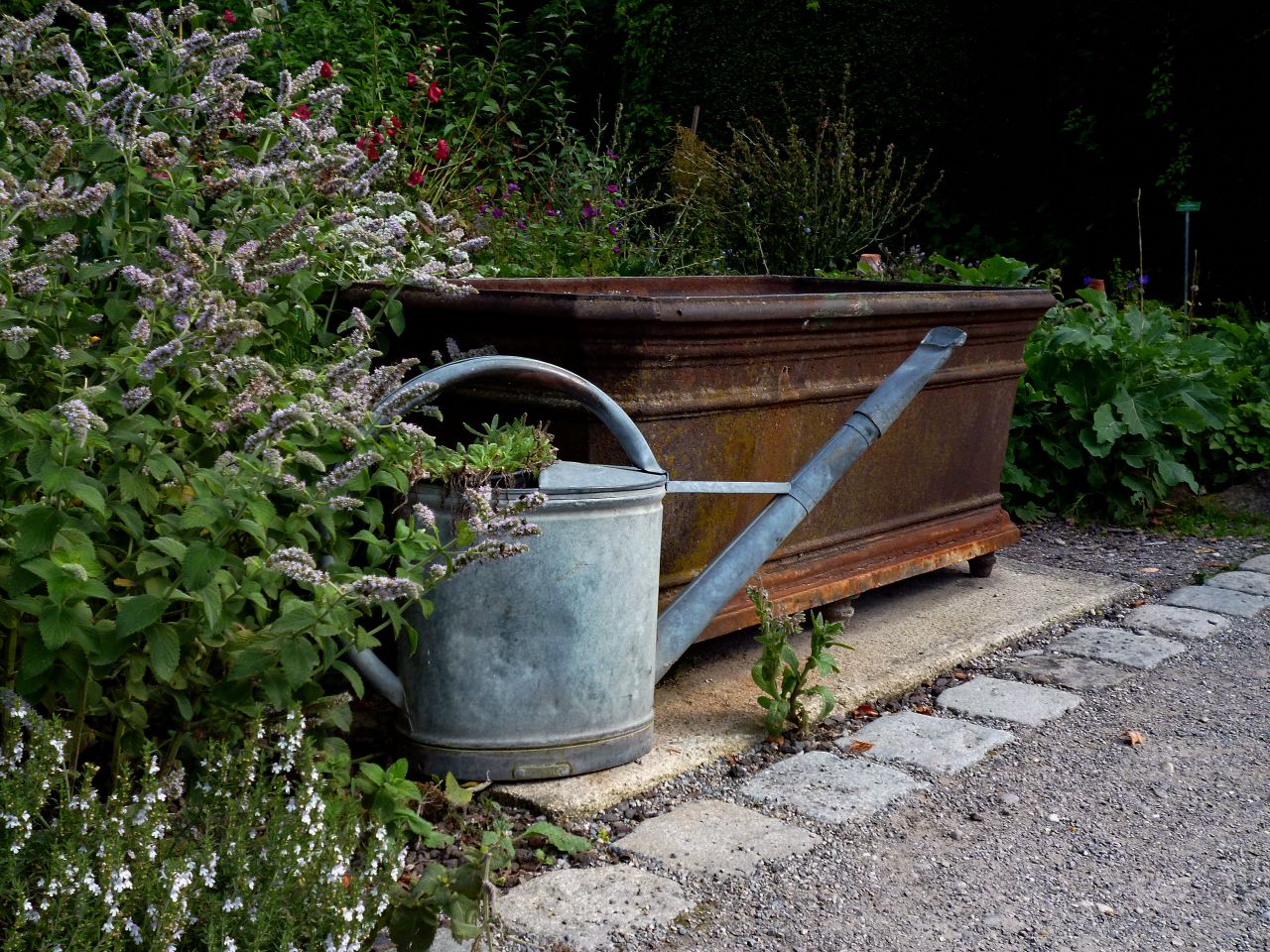
Corten steel planters are now common in USA streetscapes, hospitality entrances, campus plazas, roof gardens, and mixed use retail corridors. For a landscape architect in New York, Chicago, Boston, Seattle, Denver, or Austin, the design question is rarely whether weathering steel looks right. The real question is whether the planter package will survive freeze thaw movement, irrigation water, snow removal, pedestrian impact, and long procurement chains without staining complaints or site rework.
These notes are for landscape designers, architects, contractors, developers, and purchasing managers sourcing custom corten planters for the United States. It covers grade selection, planter wall thickness, drainage, root zone depth, runoff control, ADA related placement issues, freight, budget ranges, and the documents a buyer should request before approving a production order.
Related Corten Factory references for specification teams: corten planter manufacturer guide, raised planter specification guide, custom fabrication options, international shipping guide.
Why USA streetscape buyers specify corten planters
Weathering steel has a visual language that suits brick districts, concrete plazas, desert resorts, waterfront redevelopments, and university campuses. The rust brown surface reads as warm and permanent, but the material remains steel: it can be folded, welded, reinforced, nested for shipping, and fabricated to match shop drawings. That matters on USA projects where planters often act as traffic guides, space dividers, anti vehicle soft barriers, tree containers, or retail patio boundaries.
- Long service life when the planter can wet and dry between rain events.
- No field painting cycle in normal exterior use, unlike painted mild steel.
- High stiffness for long trough planters and modular planting walls.
- Custom sizes for streetscape modules, tree pits, roof gardens, and restaurant parklets.
- Works with native grasses, perennials, shrubs, and small trees used in North American planting plans.
Technical specification table for USA corten planter orders
| Item | Recommended range | Specification note for USA projects |
|---|---|---|
| Material grade | ASTM A588 / A606 type 4 / SPA-H equivalent | Confirm grade by mill certificate when the project is public, campus, or transport related. |
| Wall thickness | 2.0 mm for small boxes; 3.0 mm for commercial troughs; 4.0-6.0 mm for tree planters | Long faces need folds, ribs, or hidden frames to limit bulging after soil loading. |
| Top edge | 30-80 mm return fold or welded cap | A folded top edge improves stiffness and is safer in public circulation zones. |
| Drainage | Bottom holes, raised feet, geotextile, gravel layer, overflow slot where needed | Drain paths must not discharge rusty water across pale paving. |
| Internal lining | Optional HDPE, EPDM, or root barrier liner | Useful for roof decks, high irrigation areas, edible gardens, or when soil chemistry is a concern. |
| Base clearance | 10-30 mm feet or plinth rails | Air gap supports drying and helps installers level units on pavers. |
| Tolerance | ±2 mm for small units; ±3-5 mm for large welded assemblies | State tolerance in shop drawings so modules align in rows. |
Climate and local design factors across the United States
A planter detail for Phoenix is not the same as a planter detail for Minneapolis. In hot dry regions, irrigation cycles and ultraviolet exposure shape the root zone design. In northern states, road salt, plow splash, frozen soil, and thaw settlement place more stress on the planter shell and base. Coastal regions add chloride exposure, so the purchasing team should avoid placing weathering steel where sea spray stays wet on the surface for long periods.
Northeast and Midwest freeze thaw sites
For Boston, New York, Philadelphia, Chicago, Detroit, and similar climates, specify larger drainage openings, a free draining soil blend, and a base detail that does not trap meltwater. Keep planters away from direct plow impact and from piles of salted snow. If units are used as patio barriers near sidewalks, a sacrificial skid plate or replaceable base rail can protect the visible shell.
Western drought and heat zones
For California, Nevada, Arizona, Utah, and Colorado, heat gain, water saving irrigation, and plant selection matter. Dark, exposed metal heats quickly in sun, so root zone width, soil volume, mulch depth, and drip layout should be sized with the horticultural consultant. On roof decks, verify loaded weight, point loads at feet, and waterproofing protection boards before shop drawing approval.
Coastal and high humidity regions
Weathering steel needs drying cycles. In Gulf Coast and Atlantic coastal locations, choose details that encourage airflow, avoid constant wet contact, and separate corten from stainless, aluminum, copper, or carbon steel fasteners where galvanic contact could occur. Where salt spray is intense, stainless steel or coated steel may be a better choice for hidden anchors.
Material comparison for planter procurement
| Material | Strengths | Risks | Best fit |
|---|---|---|---|
| Corten steel | High stiffness, natural patina, custom fabrication, no exterior paint cycle | Initial runoff staining; poor fit for permanently wet salt exposure | Commercial plazas, parklets, roof gardens, public realm planters |
| Powder coated aluminum | Light weight, stable color, good corrosion resistance | Lower dent resistance; coating damage can be visible | Roof decks where low dead load is the main target |
| Galvanized steel | Good cost balance and corrosion protection | Industrial look; zinc coating may be marked during welding or cutting | Utility planting, back of house, planters later painted |
| Fiberglass / FRP | Light, many shapes, low rust risk | Can crack from impact; less premium in some streetscapes | High rise terraces and projects needing very low weight |
| Concrete | Mass, vandal resistance, local sourcing | Heavy, hard to move, possible freeze thaw cracking | Permanent civic sites with structural slab capacity |
Procurement details ask before ordering
A clear purchase package prevents the most common failures: wrong gauge, missing drains, poor nesting, and stained paving. The buyer should send a planter schedule with outside dimensions, planting depth, finish expectation, drainage direction, lift limits, and required delivery window. The factory should return shop drawings and packing photos before production starts.
- Confirm whether the price includes pre weathering or raw mill scale removal.
- Ask for weld grinding level: structural welds only, ground flush, or visible weld acceptable.
- State if the planter is bottomless, has a removable base, or has a fully welded floor.
- Require drain hole diameter and location on drawings.
- Ask whether units can be nested to reduce container freight.
- Request edge radius or folded top detail for public safety.
- Check if forklift pockets, lifting lugs, or pallet skids are needed for the site.
Runoff control and paving protection
Fresh weathering steel releases more iron oxide during the first wetting cycles. On light concrete, limestone, pale porcelain pavers, and podium decks, runoff stains can cause owner complaints even when the steel itself is performing correctly. USA streetscape teams should design for collection, dilution, or separation. A narrow gravel strip, hidden drip tray, dark paver band, or drain connection can save many hours of cleaning.
For more detail on this topic, review the Corten Factory guide to rust runoff and concrete staining. External references that help designers frame the issue include the Federal Highway Administration steel bridge guidance and ASTM material standards. For accessibility planning around streetscape planters, check the U.S. Access Board ADA guidance.
Cost and specification planning table
| Planter type | Typical size range | Suggested thickness | Budget driver | Buyer note |
|---|---|---|---|---|
| Small cube / square planter | 400-800 mm wide | 2.0-3.0 mm | Weld time and finish | Good for entrances and small trees only if root volume is enough. |
| Long trough planter | 1000-3000 mm long | 3.0 mm with folds or ribs | Panel flatness and reinforcement | Ask for anti bulge details on all long faces. |
| Large tree planter | 1000-2000 mm wide, deep soil | 4.0-6.0 mm or hidden frame | Soil load, lifting, bracing | Check loaded weight and site equipment. |
| Modular parklet barrier | Custom modules | 3.0-4.0 mm | Connection plates and stability | Add leveling feet and anti shift brackets if required. |
| Roof garden planter | Custom, often shallow | 2.0-3.0 mm aluminum or corten | Weight and waterproofing interface | Use liners and spreader plates to protect membranes. |
Installation checklist for contractors
Installers should open crates in a clean area, keep units off wet soil before placement, and avoid dragging corten across finished paving. If the project includes a sequence of planters, mark each unit number against the shop drawing before lifting. A small error in rotation can send drainage toward the wrong side of a plaza.
- Set out planters before filling; adjust level with shims or feet.
- Place protection below feet on waterproofed roof decks.
- Install geotextile and drain aggregate before soil.
- Keep soil below the top fold so irrigation does not wash media onto paving.
- Flush and test drip irrigation before final planting.
- Clean iron residue from nearby surfaces during early weathering, not months later.
Common buyer questions
Can corten planters be shipped pre rusted to the USA?
Yes. Pre weathering can reduce the bright orange early stage and gives a more settled look at handover. It does not remove every runoff risk, so drainage planning is still needed. the purchasing team should request photos of the patina level because color changes with moisture, handling, and storage.
Is corten safe for edible planting?
Many projects use corten raised beds for herbs and vegetables, but edible planting should include a liner and a proper soil specification. If the site has strict food safety rules, ask the project agronomist or local authority for written acceptance before ordering.
What documents should a purchasing manager request?
Request a formal quotation, shop drawings, material certificate, weld and finish notes, packing method, unit weight, lead time, and photos from similar work. For public projects, ask for inspection records and a clear change order method before production starts.
Purchasing recommendation
For USA commercial landscapes, specify corten planters by performance: grade, thickness, folds, drainage, liner, base clearance, and runoff path. Do not buy only by outside dimensions. The best value usually comes from a factory that can adjust details for climate, nesting, container loading, and site handling while keeping the drawing package simple for the contractor.
For USA projects, the safe specification path starts with the exposure map, not with the product photo. Rain cycles, winter salts, irrigation water, wind, cleaning methods, and public access patterns decide thickness, joint layout, drainage, and packaging. A weathering steel item that works in a dry private courtyard may need extra base clearance, more drain slots, or a different packing method when it is shipped for a municipal street, hotel terrace, or mixed use podium.
Architects and purchasing managers should treat corten steel planters as fabricated metalwork rather than garden decoration. Drawings need panel gauge, fold radius, weld treatment, tolerance, lifting points, fixing detail, patina stage at dispatch, and any interface with concrete, pavers, waterproofing, timber decking, or planting media. These details reduce site arguments and make bid comparison fair across suppliers.
A good factory quotation for USA should name the weathering steel grade, sheet thickness, reinforcement method, surface state, packing design, and inspection steps. If a quote only lists outside size and color, it is not enough for a contractor who must install the item in a public or commercial setting. The buyer should ask for section drawings, base details, and photos of prior export packing before purchase order release.
For USA projects, the safe specification path starts with the exposure map, not with the product photo. Rain cycles, winter salts, irrigation water, wind, cleaning methods, and public access patterns decide thickness, joint layout, drainage, and packaging. A weathering steel item that works in a dry private courtyard may need extra base clearance, more drain slots, or a different packing method when it is shipped for a municipal street, hotel terrace, or mixed use podium.
Architects and purchasing managers should treat corten steel planters as fabricated metalwork rather than garden decoration. Drawings need panel gauge, fold radius, weld treatment, tolerance, lifting points, fixing detail, patina stage at dispatch, and any interface with concrete, pavers, waterproofing, timber decking, or planting media. These details reduce site arguments and make bid comparison fair across suppliers.
A good factory quotation for USA should name the weathering steel grade, sheet thickness, reinforcement method, surface state, packing design, and inspection steps. If a quote only lists outside size and color, it is not enough for a contractor who must install the item in a public or commercial setting. The buyer should ask for section drawings, base details, and photos of prior export packing before purchase order release.
For USA projects, the safe specification path starts with the exposure map, not with the product photo. Rain cycles, winter salts, irrigation water, wind, cleaning methods, and public access patterns decide thickness, joint layout, drainage, and packaging. A weathering steel item that works in a dry private courtyard may need extra base clearance, more drain slots, or a different packing method when it is shipped for a municipal street, hotel terrace, or mixed use podium.
Architects and purchasing managers should treat corten steel planters as fabricated metalwork rather than garden decoration. Drawings need panel gauge, fold radius, weld treatment, tolerance, lifting points, fixing detail, patina stage at dispatch, and any interface with concrete, pavers, waterproofing, timber decking, or planting media. These details reduce site arguments and make bid comparison fair across suppliers.
A good factory quotation for USA should name the weathering steel grade, sheet thickness, reinforcement method, surface state, packing design, and inspection steps. If a quote only lists outside size and color, it is not enough for a contractor who must install the item in a public or commercial setting. The buyer should ask for section drawings, base details, and photos of prior export packing before purchase order release.
For USA projects, the safe specification path starts with the exposure map, not with the product photo. Rain cycles, winter salts, irrigation water, wind, cleaning methods, and public access patterns decide thickness, joint layout, drainage, and packaging. A weathering steel item that works in a dry private courtyard may need extra base clearance, more drain slots, or a different packing method when it is shipped for a municipal street, hotel terrace, or mixed use podium.
Factory quality control points before shipment
For USA orders, factory quality control should be tied to the shop drawing and not left to visual judgement alone. The buyer should ask for a check sheet that records material grade, thickness, outside dimensions, diagonal measurements, weld locations, drain or fixing holes, edge treatment, and packing marks. This is especially important when the shipment includes repeated modules, because one wrong batch can delay an entire plaza, hotel terrace, or public realm phase.
A practical inspection plan for corten steel planters includes three stages. First, check raw material certificates and sheet condition before cutting. Second, inspect folded or welded assemblies before surface weathering, because this is the easiest time to correct distortion, missing holes, or wrong bracket orientation. Third, check finished units against the packing list before crates are closed. Photos should show the product, a tape measure where relevant, and the crate mark that matches the delivery schedule.
- Confirm all streetscape planter packages are labelled by zone, drawing number, and unit number.
- Check visible welds for cracks, undercut, sharp spatter, and grinding marks.
- Measure critical dimensions after welding or folding, not only after cutting flat sheet.
- Confirm drain, vent, stake, anchor, or service openings are not blocked by internal stiffeners.
- Use timber, foam, or rubber separators so weathering steel surfaces do not rub during sea freight.
- Keep installation hardware in marked bags, not loose inside large crates.
Submittal package for architects, contractors and purchasing managers
The submittal for USA should be short enough for the project team to review, but detailed enough to stop disputes. A good submittal normally contains a cover sheet, plan and section drawings, material certificate, finish note, installation method, maintenance note, packing list, and lead time schedule. If the project has many locations, the factory should include a zone map that links each crate to the site sequence.
Architects often care about finish colour, joint rhythm, edge alignment, and how the weathering surface will change after handover. Contractors care about lift weight, fixing positions, tolerances, and access for tools. Procurement managers care about payment terms, freight risk, warranty boundaries, and whether spare parts can be ordered later. The submittal should answer all three groups without turning into a sales brochure.
| Document | Why it matters | What to check |
|---|---|---|
| Shop drawing | Controls fabrication and site fit | Dimensions, thickness, folds, holes, joints, unit numbers |
| Material certificate | Confirms weathering steel grade | Heat number, grade, thickness, supplier name |
| Finish note | Sets patina expectation | Raw, pre weathered, oiled, sealed, or packed dry |
| Installation note | Reduces site mistakes | Level, anchors, drains, protection, cleaning |
| Packing list | Supports customs and unloading | Crate size, gross weight, unit count, zone mark |
| Maintenance guide | Helps owner after handover | Early runoff, cleaning, inspection, touch up steps |
How to compare factory quotations without choosing the wrong bid
Price comparison for corten steel planters can be misleading when bids are based on different thickness, reinforcement, finish, and packing assumptions. A low quote may omit pre weathering, liners, anchor plates, service doors, stainless hardware, or export grade crates. It may also quote a thinner wall that looks acceptable in a catalogue photo but deflects after soil, heat, gravel, or public impact loads are applied.
Ask every bidder to price the same drawing revision and to list exclusions line by line. If one factory proposes a design change, ask for the reason and show it to the architect or engineer. Sometimes a thicker sheet is not the best answer; a folded return, hidden rib, or better joint spacing can control movement with less weight. The point is to compare equal performance, not only equal outside size.
- Check whether sea freight, destination charges, import duty, and local delivery are included or excluded.
- Ask if the quoted lead time starts after deposit, after drawing approval, or after material arrival.
- Clarify whether samples are free, charged, or credited against the bulk order.
- Confirm if replacement parts can be produced from the same drawing set after project completion.
- State the required Incoterms so risk transfer is clear.
- Ask for photos of similar export crates, not only finished product photos.
Maintenance planning after handover
Weathering steel is low maintenance, but it is not no maintenance. The owner or facility manager in USA should understand the early patina period, cleaning method, and inspection points. During the first months, the surface may release loose oxide after rain or irrigation. This is normal, but runoff should be directed away from sensitive surfaces. After the patina matures, colour becomes darker and more stable if the steel can dry between wet cycles.
The maintenance plan should ban aggressive acid cleaning near corten steel planters, because it can mark the patina and nearby materials. Use soft brushes, clean water, and site approved mild cleaners when needed. Check base zones, joints, drains, anchors, and contact points at least once or twice per year. If the product is moved, scratched, or modified on site, the exposed steel will restart local weathering and may appear brighter for a period.
Risk register for project teams
| Risk | Typical cause | Control measure |
|---|---|---|
| Rust marks on pale surfaces | Early runoff, poor drainage, storage on finished paving | Use protection, dark gravel bands, drain planning, early cleaning |
| Site fit issue | Drawing revision mismatch or unmarked units | Approve one drawing set and mark every crate by unit number |
| Panel distortion or leaning | Thin steel, poor staking, high load, thermal movement | Specify thickness, folds, ribs, stake spacing, or engineering review |
| Delayed installation | Missing hardware or unclear lifting method | Pack hardware by zone and state unit weight on the crate |
| Owner rejects colour | Patina stage not agreed before shipment | Approve sample coupon or photo range before production |
| Hidden corrosion at contact points | Permanently wet soil, trapped salts, incompatible metals | Detail air gaps, liners, drains, and compatible fasteners |
Final specification notes for tender writers
When writing the tender text for USA, avoid vague phrases such as “rusted metal finish” or “corten look”. State weathering steel grade or accepted equivalent, thickness, fabrication method, visible edge treatment, patina requirement, fixing method, drainage or ventilation, and protection of adjacent finishes. If substitutions are allowed, require the alternative supplier to match the same performance and submit evidence before award.
The strongest tender packages also define what is not included. For example, structural engineering, gas certification, waterproofing, local permits, paving protection, planting media, or site lifting may belong to other trades depending on the product type. Clear boundaries let the corten factory price accurately and help the contractor avoid gaps during installation.
For related sourcing details, compare corten edging, screens, facade panels, Corten Steel Water Features for UK Public, and Corten Steel Grades Explained: Specification before finalizing requirements.
Need a factory quote for Corten Steel Planters for USA Commercial Streetscapes: Specification Guide for Architects and Procurement Teams?
Send your drawings, size list, quantity and destination country. Corten Factory can support custom weathering steel fabrication, export packing and project quotation.