
Corten Steel vs Galvanized Steel for Outdoor Landscape Products

Corten steel vs galvanized steel is a common material question for outdoor landscape products. Both are used outdoors, but they solve different design problems. Corten steel is usually chosen for its warm weathered patina and architectural appearance. Galvanized steel is usually chosen for a zinc-protected metallic finish, practical corrosion resistance and a more industrial look.
For buyers sourcing planters, edging, screens, fire pits, public-space furniture or custom outdoor metal products, the better choice depends on the visual goal, environment, drainage design, touch points, fabrication details, maintenance expectations and project budget. This guide compares the two materials from a B2B sourcing perspective.
Quick answer: are corten steel and galvanized steel interchangeable?
No. They are both outdoor steels, but they are not interchangeable in appearance, surface behavior or fabrication planning. Weathering steel forms a rust-colored patina under suitable wet-dry cycles. Galvanized steel uses a zinc coating to protect the underlying steel and keeps a silver-gray appearance at first.
- Choose corten steel when the project needs a natural rust-colored architectural finish.
- Choose galvanized steel when a zinc-coated industrial finish is acceptable or preferred.
- Use corten steel carefully around light stone, paving and walls because early runoff may stain nearby surfaces.
- Use galvanized steel carefully when welding, cutting or grinding may damage the zinc coating and require repair.
- Confirm local environment, drainage and contact points before specifying either material.
Corten Factory focuses on weathering steel products such as corten steel planter boxes, laser cut corten screens and landscape edging.
How weathering steel behaves outdoors
Corten steel, often called weathering steel, is designed to develop a stable-looking rust-colored patina when the environment allows repeated wet and dry cycles. The surface changes over time, so the installed appearance is part of the design story rather than a fixed coating color.
For background, see What Is Corten Steel? and How Long Does Corten Steel Take to Rust?. Buyers should still avoid water traps, permanent damp contact and poorly drained details because these can shorten service life.
How galvanized steel behaves outdoors
Galvanized steel is coated with zinc to help protect the steel underneath. It is widely used for outdoor structural, agricultural, industrial and utility applications. The finish normally starts silver or spangled gray and may dull over time. It does not create the same warm rust-colored architectural surface as corten steel.
For landscape products, galvanized steel can be practical when the finish is hidden, painted afterward or acceptable as a utilitarian metal surface. However, cutting, welding, bending after coating, abrasion and on-site modification can damage the coating, so the buyer should confirm fabrication sequence and coating repair requirements with the supplier.
Appearance and design intent
The biggest difference is visual. Corten steel is often specified because architects and landscape designers want the weathered surface to be visible. Galvanized steel is usually specified for protection and practicality rather than patina character.
- Corten steel suits gardens, parks, hotels, resorts, facades, screens, edging and statement planters.
- Galvanized steel suits utility frames, brackets, hidden supports, industrial details and some cost-sensitive outdoor parts.
- Corten steel pairs well with stone, concrete, planting and dark architectural finishes when runoff is managed.
- Galvanized steel may look too bright or industrial for premium landscape features unless the design intentionally uses that contrast.
Corrosion, drainage and maintenance comparison
Neither material should be treated as “install anywhere and forget.” Both need sensible detailing. Corten steel needs exposure cycles and drainage. Galvanized steel needs the zinc layer to remain intact. The correct detail depends on whether the part is a planter, edging strip, screen panel, fire pit, bench, bracket or custom fabricated component.
- Avoid standing water inside corten planters, edging folds, screen frames and fire pit bases.
- Separate early corten runoff from pale stone, finished concrete and sensitive paving.
- Avoid aggressive cutting or grinding on galvanized parts after coating unless repair is planned.
- Check fasteners, weld zones, drainage holes, base plates and contact points during design review.
- Ask for packing that protects visible surfaces during export shipping and unloading.
The articles on corten steel durability and planter drainage and liners explain why design details matter as much as material choice.
Fabrication and sourcing questions for buyers
A good supplier should not answer the material question with a one-word recommendation. The right response depends on drawings, quantities, finish expectations and the installation environment. For custom corten steel products, buyers should send drawings or sketches before asking for a final price.
- What is the product: planter, screen, edging, fire pit, bench, bollard, facade panel or bracket?
- Will the metal surface be visible, touched often or hidden behind another finish?
- Does the project require a rust-colored patina, silver-gray zinc finish or painted surface?
- Are there drainage points, ground-contact zones, welds, hinges, fixings or removable panels?
- Will the order ship assembled, nested, flat packed or in modules for site assembly?
- What QC photos, dimension checks, labels and export packing are required?
When corten steel is the better choice
Corten steel is usually the better choice when the buyer wants the material itself to provide the design finish. It is especially suitable for architectural landscape products where the warm patina supports the project identity.
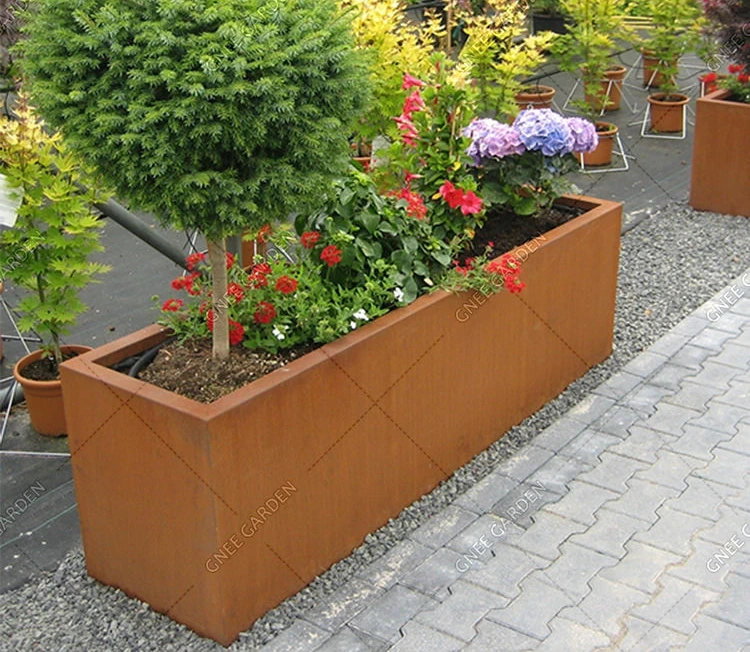
- Custom corten planters and planter benches for commercial landscapes.
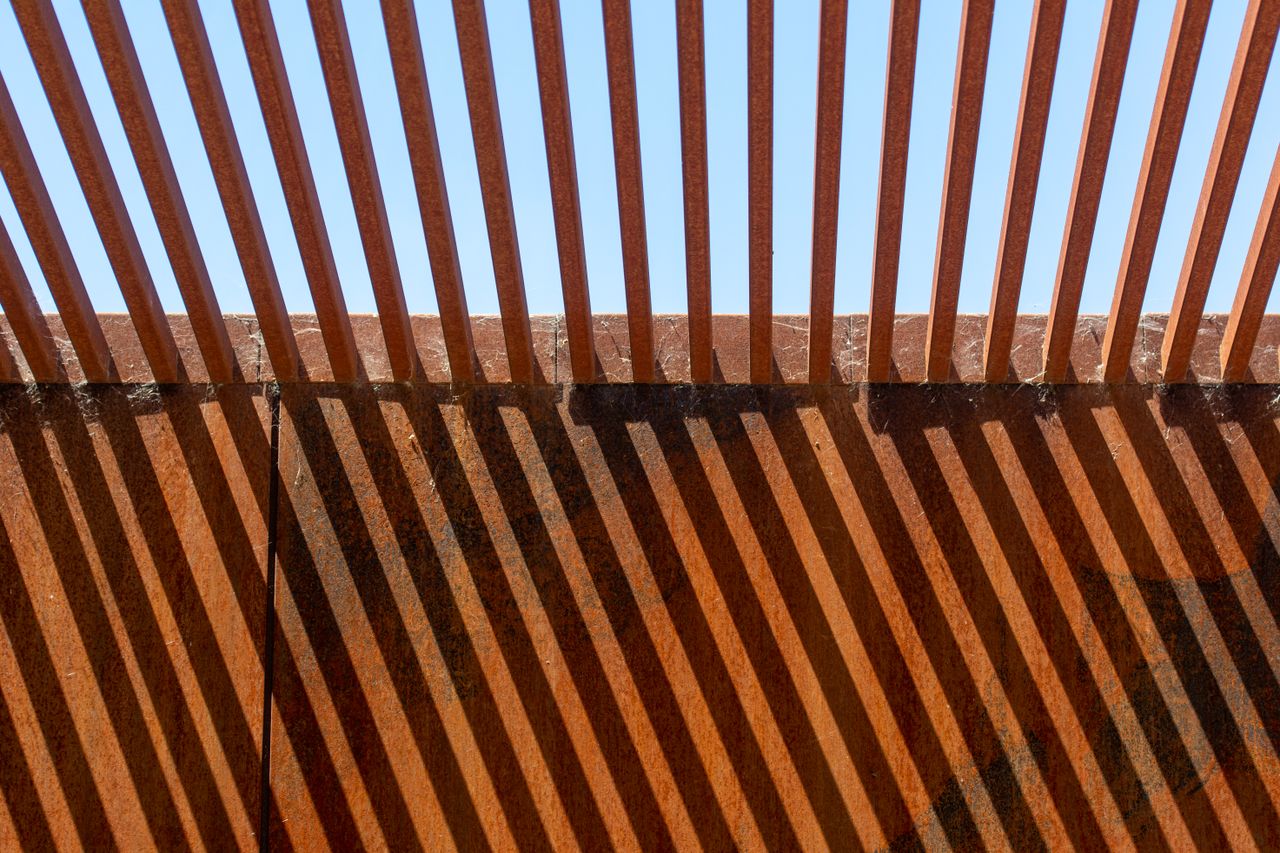
- Laser cut privacy screens, facade panels and decorative partitions.
- Landscape edging, tree surrounds and raised border systems.
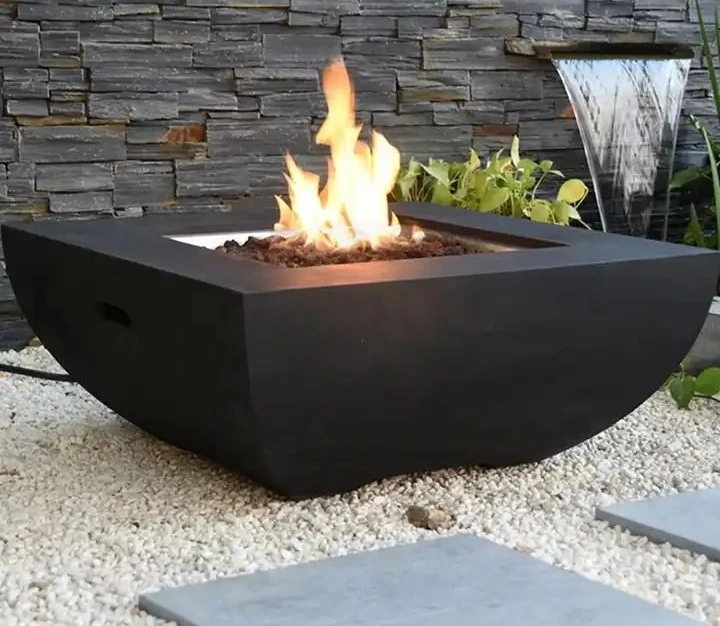
- Outdoor fire pits, BBQ surrounds and corten furniture packages.
- Hotel, resort, park and public-space products where the weathered finish is visible.
When galvanized steel may be the better choice
Galvanized steel may be more suitable when the project prioritizes zinc-coated protection, hidden utility parts or a silver-gray metal appearance. It can also work for internal support frames or hardware where the corten appearance is not needed. If both materials are used in one product package, confirm contact points, fasteners and visual consistency before production.
RFQ checklist: what to send to the manufacturer
- Product drawings in DWG, DXF, STEP, PDF or clear dimensioned sketches.
- Target material: corten/weathering steel, galvanized steel or mixed-material assembly.
- Thickness, dimensions, visible-edge requirements and surface expectations.
- Application environment: coastal, urban, garden, rooftop, hotel, public space or private landscape.
- Quantity, sample needs, project deadline, destination and packing requirements.
- Photos, reference style, installation method and any sensitive paving or runoff concerns.
For drawing-based projects, use the custom corten steel fabrication checklist or send details through the customization page.
FAQ
Is corten steel better than galvanized steel outdoors?
It depends on the project. Corten steel is better when the visible weathered patina is part of the design. Galvanized steel is better when the buyer wants zinc-coated protection and a silver-gray industrial finish. Drainage and fabrication details matter for both.
Does galvanized steel become corten-like over time?
No. Galvanized steel may dull, weather or develop surface marks, but it does not form the same designed rust-colored patina as weathering steel. If the project requires the corten look, specify corten or weathering steel from the beginning.
Can corten steel stain nearby paving?
Yes, especially during early weathering. Buyers should manage water flow, temporary protection, base clearance and installation details around light stone, pale concrete or finished facade surfaces.
Can Corten Factory make galvanized steel products?
Corten Factory’s SEO program focuses on corten and weathering steel products. For mixed-material projects, send drawings and requirements so the team can review what fabrication scope is practical and quote the suitable corten steel components.
What information is needed for a custom outdoor metal product quote?
Send drawings, dimensions, material preference, thickness, finish expectation, quantity, installation environment, packing requirements and destination. Photos or reference styles also help the supplier understand the project goal.
Need help choosing material for an outdoor project?
If your landscape, hospitality or public-space project needs custom corten steel products, send drawings, dimensions, quantities and installation notes. Corten Factory can review material choice, fabrication details, QC points and export packing for project orders. Contact Corten Factory for a custom quotation.
Need a factory quote for Corten Steel vs Galvanized Steel for Outdoor Landscape Products?
Send your drawings, size list, quantity and destination country. Corten Factory can support custom weathering steel fabrication, export packing and project quotation.