
Welding Corten Steel: Fabrication Guide for Outdoor Projects

Welding corten steel is a practical question for buyers who order planters, fire pits, edging, screens, wall panels, gates, street furniture and custom landscape metalwork. Weathering steel can be cut, formed and welded successfully, but the welding specification should match the product function, visible finish, exposure environment and documentation required for the job.
For CortenFactory projects, welding is usually part of a broader fabrication package: material selection, drawings, bending, assembly, grinding, drainage details, surface preparation, QC photos and export packing. The notes below cover what the purchasing team should define before requesting a quotation for welded corten steel products.
Quick answer: can corten steel be welded?
Yes, corten steel can be welded. The important point is not whether welding is possible, but whether the weld design, filler selection, visible finish and inspection level are appropriate for the application. Decorative landscape products, large planters, fire pit bodies, wall panels and structural support parts may all require different welding expectations.
- Confirm the weathering steel grade or accepted equivalent before production.
- Provide drawings showing weld locations, visible surfaces, drainage holes and assembly tolerances.
- Use weld procedures and filler choices appropriate to the grade, thickness and exposure requirement.
- Define whether welds should be left visible, ground smooth, sealed on hidden sides or checked with additional inspection.
- Avoid vague RFQs such as “weld corten box” without size, thickness, loading and finish details.
Why welding details matter for weathering steel
Weathering steel is selected because the exposed surface develops a natural patina under suitable wet and dry cycles. Poor welding details can affect appearance and durability: inconsistent grinding marks, crevice traps, sharp internal corners, blocked drainage or unsuitable joining details can all create problems after installation.
The buyer does not need to write a full welding procedure for every decorative product, but the RFQ should make the project intent clear. A planter for a shopping mall, a gas fire pit enclosure, a facade panel and a public-space bench do not carry the same risks or inspection needs.
Material grade and filler metal coordination
Corten is a common trade name, while actual supply may be A588, A606, S355J2W or another weathering steel grade depending on market and product type. Welding consumables should be selected to suit the specified grade, thickness and service conditions. For visible weathering surfaces, the color transition of the weld zone may differ from the base plate during early patina development.
For non-structural landscape products, buyers often focus on appearance, fit-up and corrosion behavior around welds. For engineered or load-bearing parts, the project engineer should confirm applicable codes, weld categories and inspection requirements before the factory quotes final production.
Joint design for common corten products
Planters and garden beds
Welded corten planters need clean corner joints, appropriate reinforcement for long faces, drainage holes and optional liner coordination. If the planter is large or filled with wet soil, drawings should show bottom construction, internal bracing, lifting points and whether the top rim must be folded or welded from separate parts.
Fire pits and burner surrounds
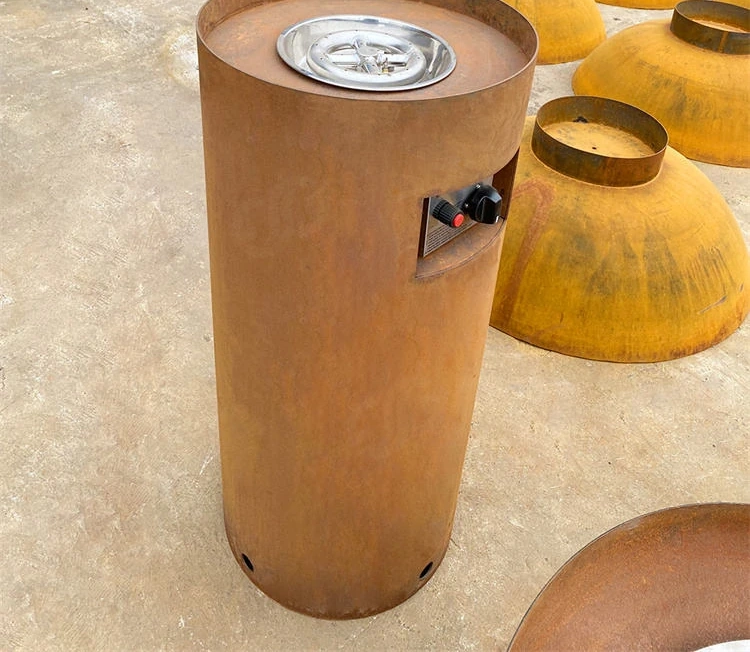
Fire pit bodies and burner surrounds require careful coordination with heat exposure, drainage, burner access and local project safety requirements. the purchasing team should define whether the corten component is only an outer shell or part of a complete fire-feature assembly. Any gas, burner or certification requirement should be confirmed by qualified project parties.
Screens, gates and wall panels
Laser cut screens, gates and wall cladding panels may include welded frames, standoffs, tabs or brackets. Visible welds should be placed where they do not interrupt the design pattern. For panels installed near pale paving or building finishes, runoff control and back ventilation should also be reviewed.
Visible finish: raw welds, grinding and patina expectations
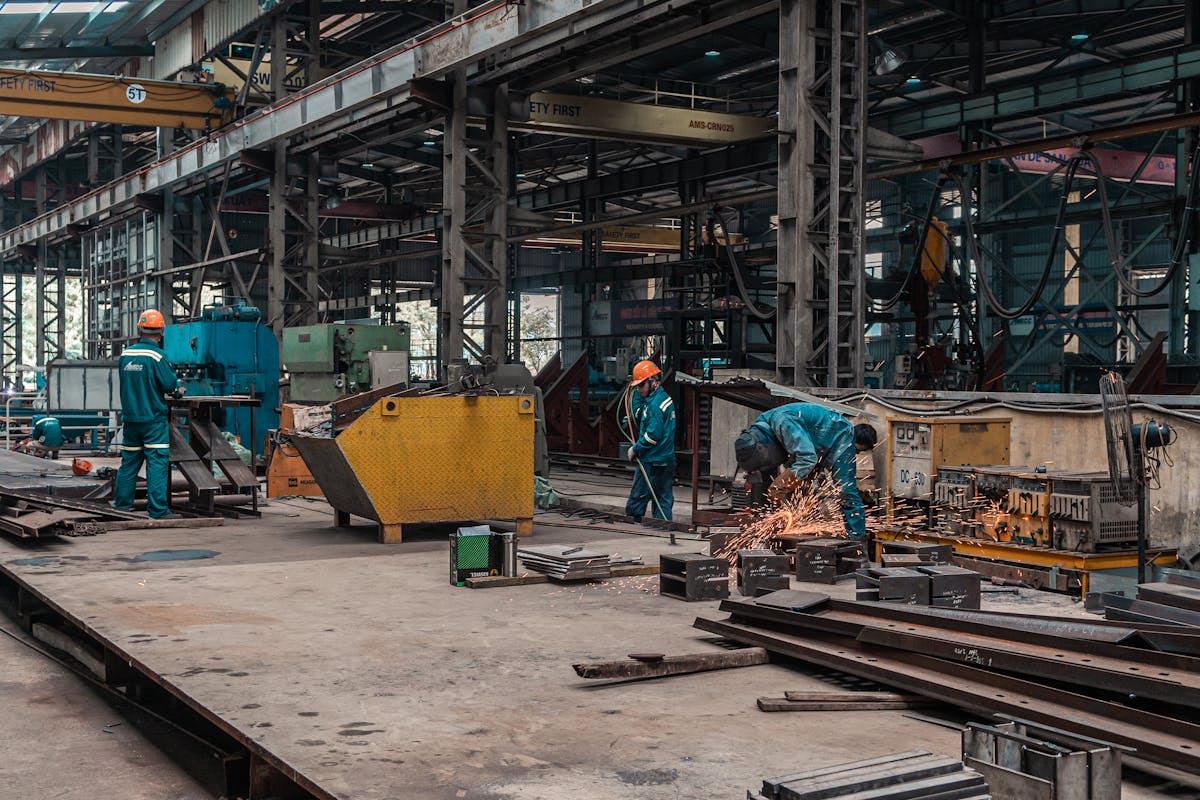
Welded corten products are not painted to hide every fabrication mark unless a separate finish is specified. Grinding and polishing can improve visible seams, but over-grinding may create surface contrast that takes time to blend into the patina. the purchasing team should define which sides are show faces, which welds can remain industrial, and whether sample photos or pre-shipment closeups are required.
- Show faces: request cleaner weld blending and close-up QC photos.
- Hidden faces: prioritize strength, sealing strategy and drainage rather than cosmetic grinding.
- Edges and corners: confirm deburring and handling safety for public areas.
- Pre-weathered finish: confirm whether weld zones will be weathered together with the main surface.
- Raw corten delivery: expect the weld area and plate surface to evolve outdoors over time.
Drainage, crevices and corrosion control
Welding design should avoid water traps. Corten steel performs best when exposed surfaces can dry between wet cycles. Closed boxes, soil contact areas, double plates, unsealed overlaps and inward-facing crevices can hold moisture and delay stable patina development. For planters, edging and outdoor furniture, drainage details are as important as the weld itself.
When a welded product will sit on concrete, stone or light-colored paving, early rust runoff should be managed through feet, spacers, gravel bands, controlled drainage or temporary protection during initial weathering.
Quality control for welded corten steel products
A clear QC plan reduces misunderstandings before shipment. For many custom landscape orders, practical inspection includes material confirmation, dimension checks, weld visual checks, surface finish review, drainage hole confirmation, bracket fit-up, packing photos and final product photos. For engineered parts, additional testing may be required by the project specification.
RFQ checklist for welded corten fabrication
To get a more accurate quotation, send a welding and fabrication brief instead of only a reference image. Include:
- Product type: planter, screen, edging, fire pit, gate, wall panel, bench, sculpture or custom assembly.
- Drawings: DWG, DXF, PDF or 3D files with dimensions, thickness and tolerances.
- Material: required corten/weathering steel grade or acceptable equivalent.
- Weld requirements: visible faces, ground seams, bracket welds, internal reinforcement and inspection needs.
- Site conditions: coastal exposure, wet zones, public use, paving sensitivity and drainage requirements.
- Order details: quantity, destination, target lead time, packing requirements and documents required.
Related CortenFactory resources
For broader specification work, review corten steel grades, custom corten steel fabrication from drawings, the fabrication drawing checklist, corten steel vs mild steel, runoff and concrete staining, fire pit thickness planning, planter drainage and liner details and custom corten fabrication services.
FAQ: welding corten steel
Can corten steel be welded like normal steel?
Corten steel can be welded with suitable procedures and consumables, but the purchasing team should not treat every grade, thickness and application as identical. Confirm the material grade, product use and welding requirements before production.
Will the weld rust the same color as the corten plate?
The weld zone may weather at a different speed or show early color variation. Over time, exposed weathering surfaces usually blend more naturally, but exact color uniformity should not be promised like a painted finish.
Do welded corten planters need drainage holes?
Yes, most outdoor planters need drainage planning. Standing water and wet soil can create corrosion risk and staining problems, so drainage holes, liners, feet and overflow details should be discussed before fabrication.
Should welds be ground smooth on corten products?
It depends on the visible finish and product type. Show faces may need cleaner grinding, while hidden structural areas may prioritize strength and sealing. Define this in the drawing package or RFQ.
What files are best for quoting welded corten fabrication?
DWG, DXF, PDF and 3D files are best. Include thickness, dimensions, weld locations, visible faces, brackets, drainage, quantity, finish preference, destination and required QC documents.
CTA: request a welded corten steel quotation
Need welded corten steel planters, fire pits, screens, wall panels, gates, benches or custom outdoor metalwork? Send CortenFactory your drawings, dimensions, grade requirement, visible-finish expectations and project destination. The team can review fabrication feasibility, welding details, QC photos and export packing for a custom quotation.
For related sourcing details, compare corten edging, screens, facade panels, Corten Steel Edging vs. Aluminum Edging: Which, and Corten Fire Pit Design Guide for Commercial before finalizing requirements.
Need a factory quote for Welding Corten Steel: Fabrication Guide for Outdoor Projects?
Send your drawings, size list, quantity and destination country. Corten Factory can support custom weathering steel fabrication, export packing and project quotation.